


Greece Cruises
Greece cruises combine ancient history, sun-soaked islands and crystal-clear seas across the Mediterranean.
Our Best Greece Cruises Deals
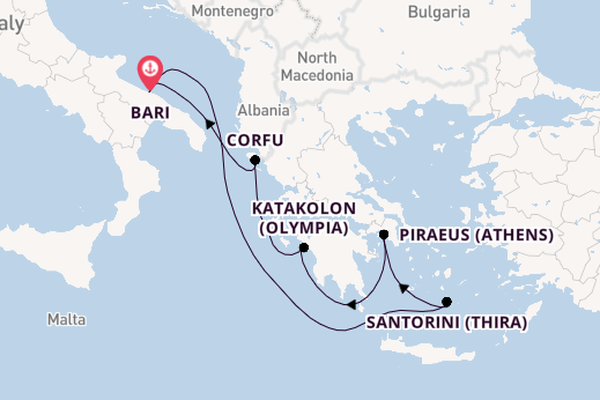
Mediterranean from Bari, Italy with the MSC Sinfonia
- Lirica-class ship with 94 balcony cabins, a top-deck water park with slides, and Aurea Spa with thermal suite
- Teatro San Carlo seats audiences for Broadway-style shows; the LEGO and Chicco children's zones make this a standout family ship
- Compact Lirica-class size — 65,542 GT — opens up smaller harbours that larger ships cannot access
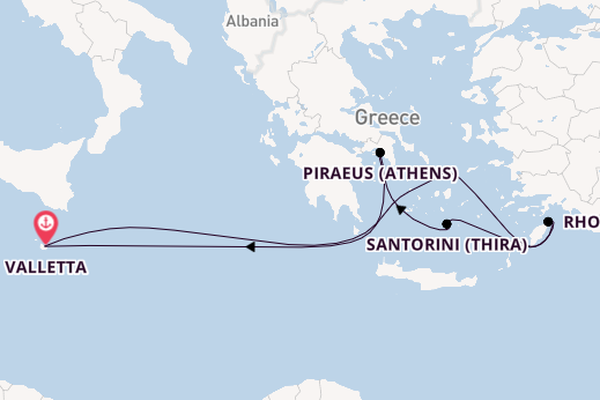
Mediterranean from Valletta, Malta with the Azura
- Refreshed bow-to-stern in 2025 — new restaurants, bars, cabin décor and corridor carpets throughout
- Specialty dining at Sindhu for modern Indian cuisine and the Glass House, curated by TV wine expert Olly Smith
- The 800-seat Playhouse theatre delivers West End-quality aerial acrobatics and shows, plus SeaScreen open-air cinema on deck
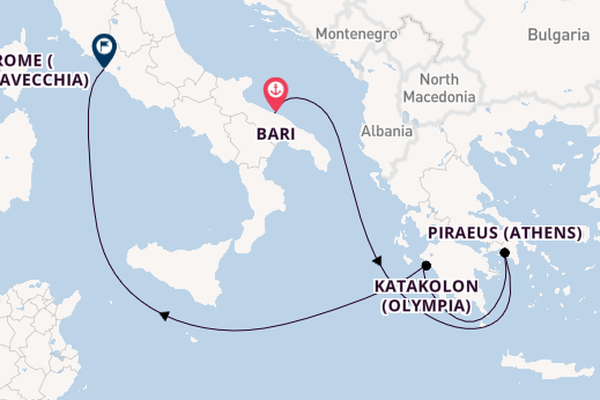
Mediterranean from Bari, Italy with the MSC Sinfonia
- Lirica-class ship with 94 balcony cabins, a top-deck water park with slides, and Aurea Spa with thermal suite
- Teatro San Carlo seats audiences for Broadway-style shows; the LEGO and Chicco children's zones make this a standout family ship
- Compact Lirica-class size — 65,542 GT — opens up smaller harbours that larger ships cannot access
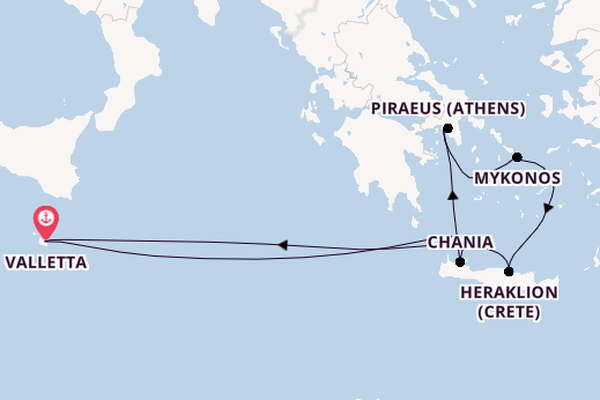
Mediterranean from Valletta, Malta with the Azura
- Refreshed bow-to-stern in 2025 — new restaurants, bars, cabin décor and corridor carpets throughout
- Specialty dining at Sindhu for modern Indian cuisine and the Glass House, curated by TV wine expert Olly Smith
- The 800-seat Playhouse theatre delivers West End-quality aerial acrobatics and shows, plus SeaScreen open-air cinema on deck
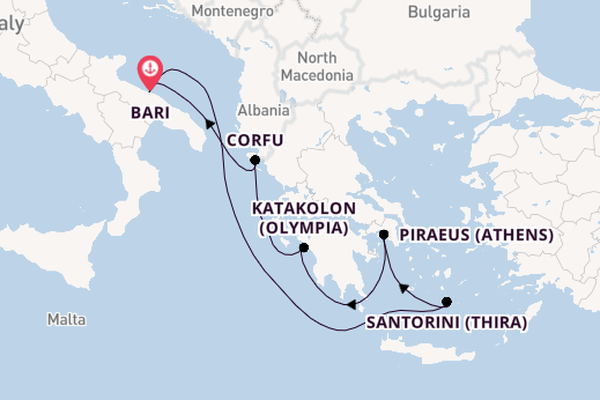
Mediterranean from Bari, Italy with the MSC Orchestra
- Covent Garden Theatre, 7,000 sq ft Palm Beach casino and Shaker Lounge nightclub provide evening entertainment across 13 decks
- Butcher's Cut steakhouse and Kaito Sushi Bar arrive in the 2027 MSC Yacht Club upgrade — a major enhancement to on-board dining
- The Savannah Bar's leopard-print lounge design creates one of the most distinctive bar atmospheres at sea
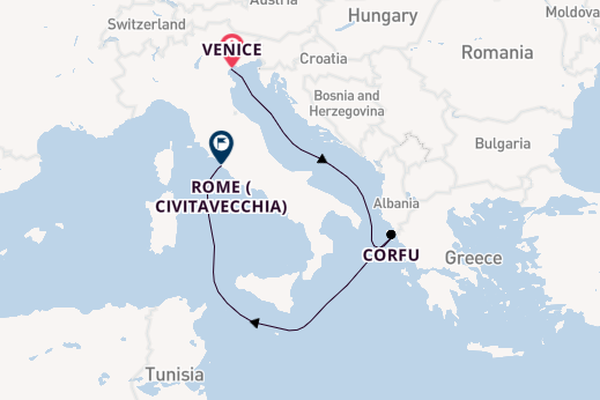
Mediterranean from Venice, Italy with the MSC Lirica
- MSC's original flagship — the very first ship MSC Cruises ever built, with the distinctive character of a historic pioneer
- Intimate atmosphere with around 1,984 guests — a more personal scale that avoids the feel of a mass-market mega-ship
- MSC Aurea Spa, Broadway-style theatre, Las Vegas casino and a family waterpark all on a single compact vessel
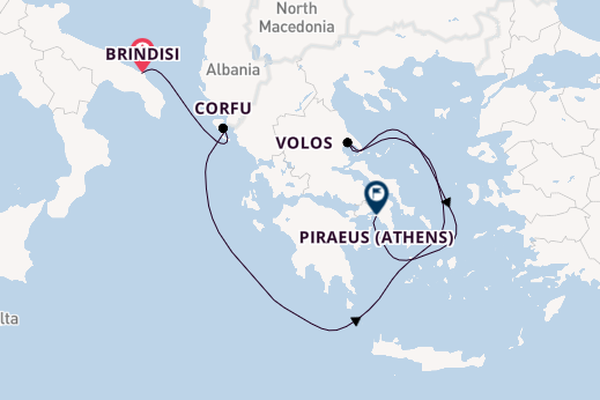
Eastern Mediterranean from Brindisi, Italy with the EXPLORA II
- All Inclusive Luxury Experience: Premium Wines & Spirits and 9 restaurants
- Complimentary High Speed Wifi Throughout The Ship
- Designed to feel like your own private yacht

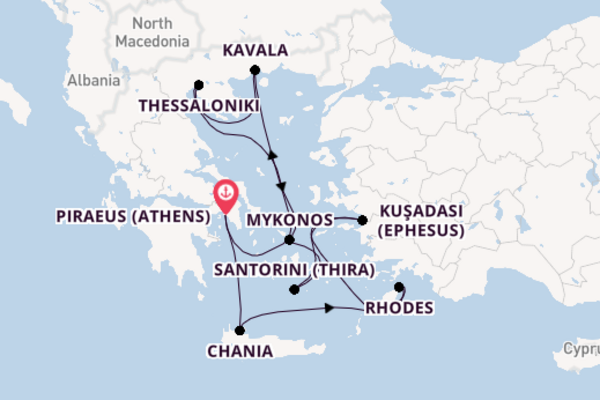
Eastern Mediterranean from Piraeus (Athens), Greece with the Celebrity Infinity
- Comprehensively refurbished in 2024, bringing this Millennium-class ship up to a fresh contemporary standard throughout
- Tuscan Grille serves modern Italian cuisine; Le Petit Chef delivers a unique 3D table-top dinner spectacle — both aboard this 2,170-guest ship
- The Retreat offers suite guests a private sundeck, exclusive Luminae restaurant and 24/7 butler and concierge service

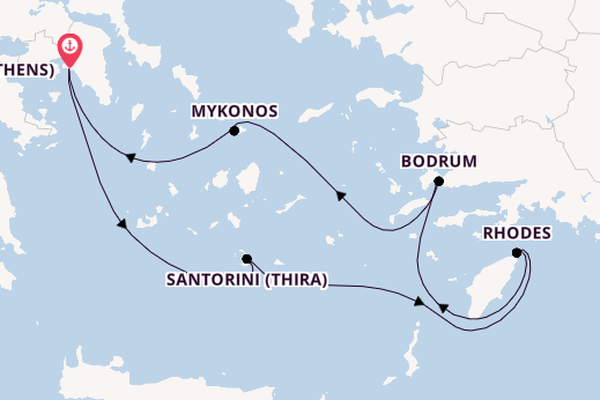
Greek Island Glow with Cruise1st TV’s Derek Marks
- CRUISE1ST EXCLUSIVE BOOK A INSIDER FOR FREE $250 BAR TAB BOOK A SEA TERRACE FOR FREE $400 BAR TAB
- Includes 20+ Dining Options, WiFi, Soft Drinks & More
- Includes 1 Night Athens Hotel Stay

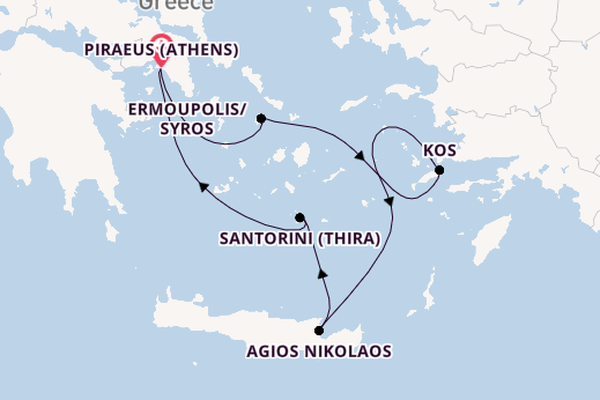
Eastern Mediterranean from Piraeus (Athens), Greece with the Balmoral
- Round trip flight provided by the cruise line directly.
- Traditional cruising
- A true taste of Britain
- Exemplary onboard service

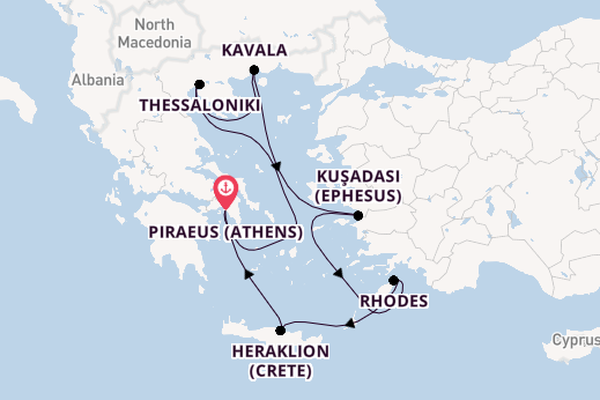
Eastern Mediterranean from Piraeus (Athens), Greece with the Celebrity Infinity
- Comprehensively refurbished in 2024, bringing this Millennium-class ship up to a fresh contemporary standard throughout
- Tuscan Grille serves modern Italian cuisine; Le Petit Chef delivers a unique 3D table-top dinner spectacle — both aboard this 2,170-guest ship
- The Retreat offers suite guests a private sundeck, exclusive Luminae restaurant and 24/7 butler and concierge service
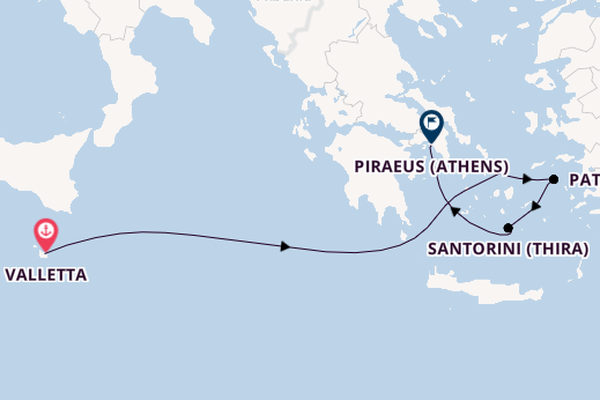
Eastern Mediterranean from Valletta, Malta with the EXPLORA II
- All Inclusive Luxury Experience: Premium Wines & Spirits and 9 restaurants
- Complimentary High Speed Wifi Throughout The Ship
- Designed to feel like your own private yacht
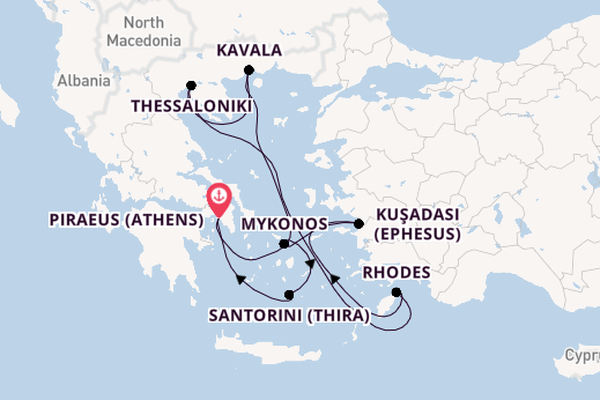
Eastern Mediterranean from Piraeus (Athens), Greece with the Celebrity Infinity
- Comprehensively refurbished in 2024, bringing this Millennium-class ship up to a fresh contemporary standard throughout
- Tuscan Grille serves modern Italian cuisine; Le Petit Chef delivers a unique 3D table-top dinner spectacle — both aboard this 2,170-guest ship
- The Retreat offers suite guests a private sundeck, exclusive Luminae restaurant and 24/7 butler and concierge service
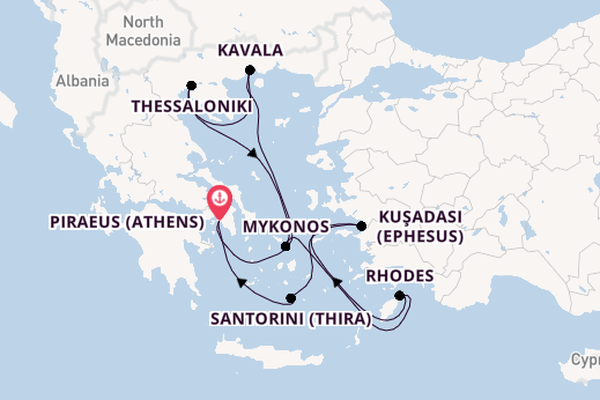
Eastern Mediterranean from Piraeus (Athens), Greece with the Celebrity Infinity
- Comprehensively refurbished in 2024, bringing this Millennium-class ship up to a fresh contemporary standard throughout
- Tuscan Grille serves modern Italian cuisine; Le Petit Chef delivers a unique 3D table-top dinner spectacle — both aboard this 2,170-guest ship
- The Retreat offers suite guests a private sundeck, exclusive Luminae restaurant and 24/7 butler and concierge service
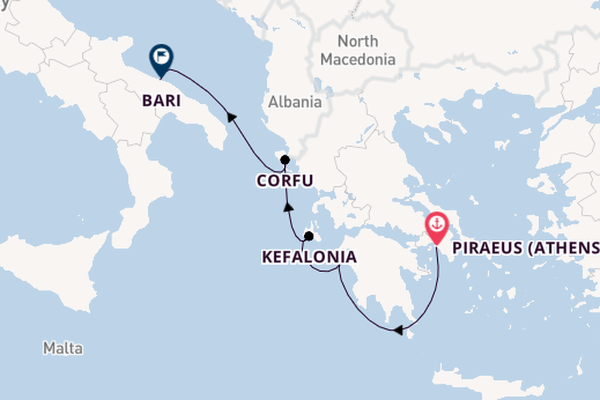
Eastern Mediterranean from Piraeus (Athens), Greece with the MSC Orchestra
- Covent Garden Theatre, 7,000 sq ft Palm Beach casino and Shaker Lounge nightclub provide evening entertainment across 13 decks
- Butcher's Cut steakhouse and Kaito Sushi Bar arrive in the 2027 MSC Yacht Club upgrade — a major enhancement to on-board dining
- The Savannah Bar's leopard-print lounge design creates one of the most distinctive bar atmospheres at sea
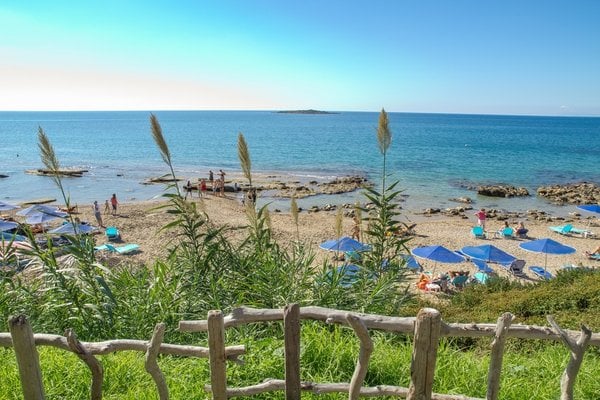
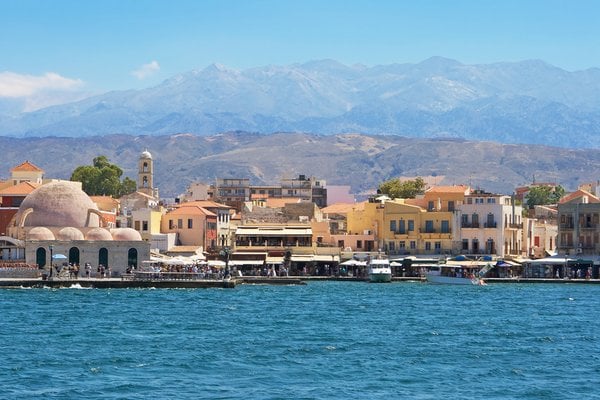
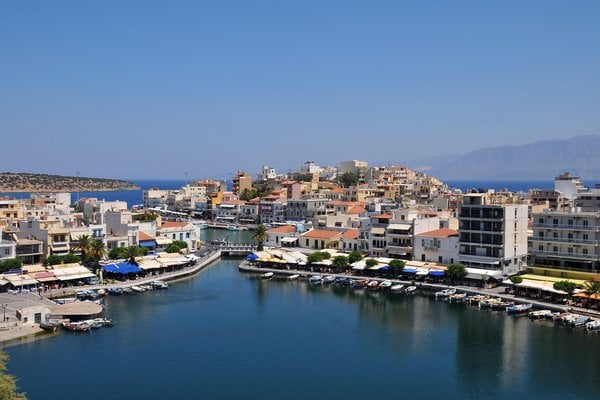
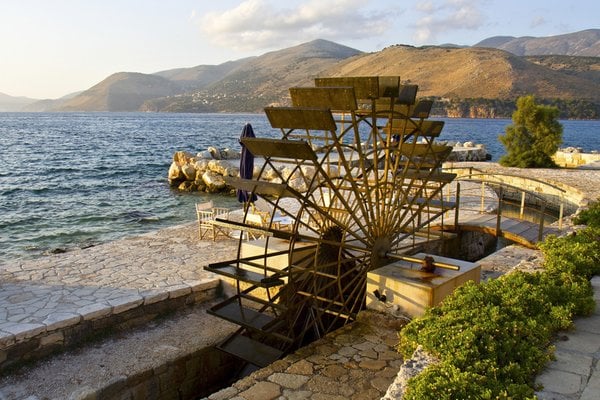
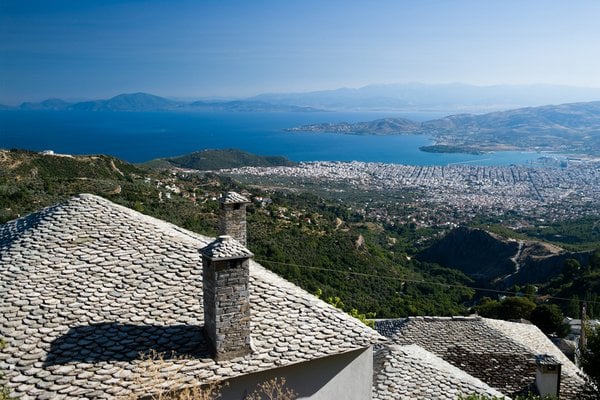
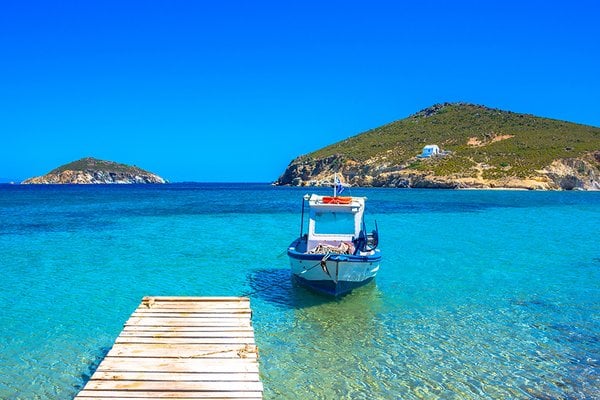
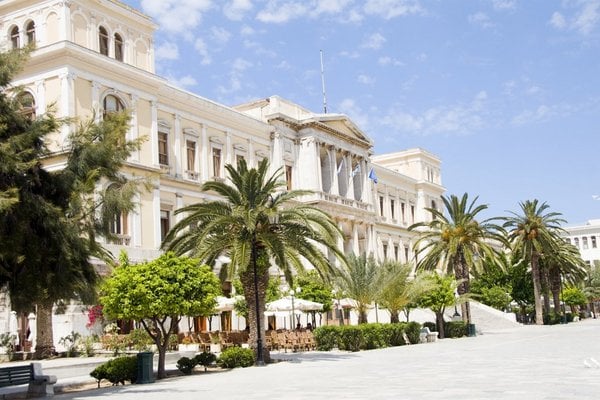
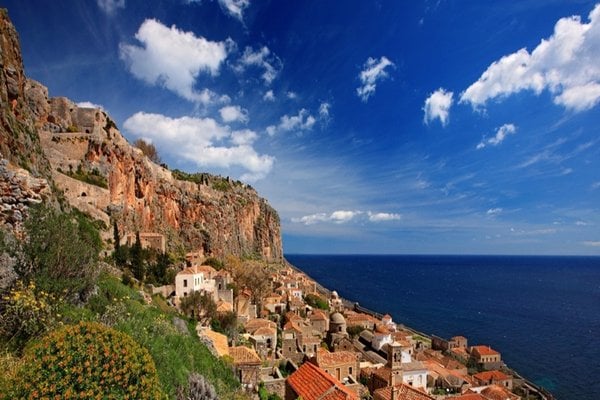
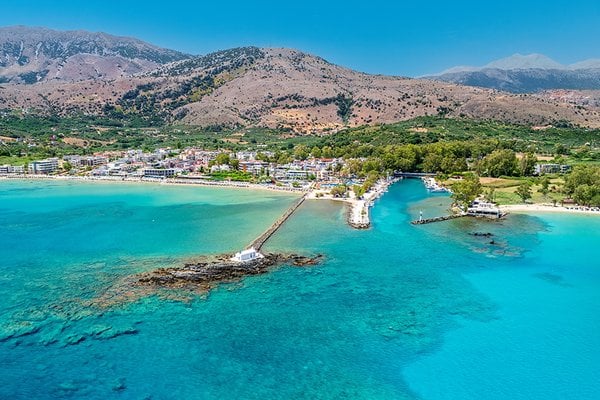
Harbours for Greece
Travel Tips for Greece Cruises
Discover Beautiful Greece By Sea
A Greece cruise is one of the easiest ways to combine iconic ancient sites, island scenery and laid-back coastal living in one trip. From big-name mainstream lines with mega-ship entertainment to smaller, port-intensive itineraries that slip into lesser-visited island harbours, cruises to Greece suit first-timers and seasoned cruisers alike. You might be dreaming of a sun-soaked Greece cruise vacation across the Aegean, or a route that mixes Greece with Turkey for an extra layer of history and cuisine.
Top Harbours in Greece
One of the defining features of a cruise through Greece is the variety of harbours you can visit in a single sailing. From world-famous island capitals to quieter mainland ports steeped in myth and history, Greek cruise routes balance iconic highlights with lesser-visited gems. Cruise ships typically dock close to town centres, making it easy to explore on foot or join guided excursions straight from the pier.
- Piraeus (Athens), Greece – The main gateway to Athens, offering direct access to the Acropolis, Parthenon, Plaka district and the Acropolis Museum, all within easy reach of the port.
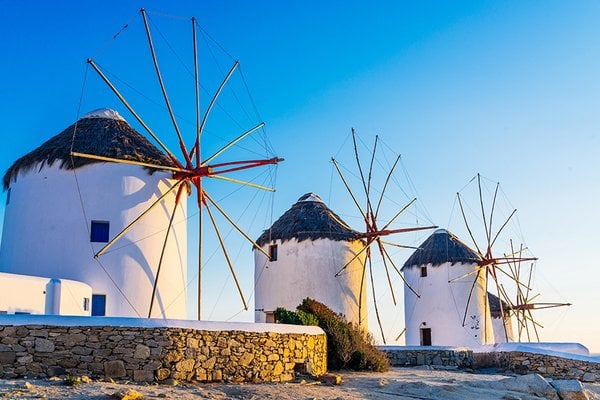
- Mykonos, Greece – Famous for its windmills, whitewashed lanes and beach clubs, Mykonos blends traditional Cycladic charm with stylish dining, waterfront cafés and lively nightlife.
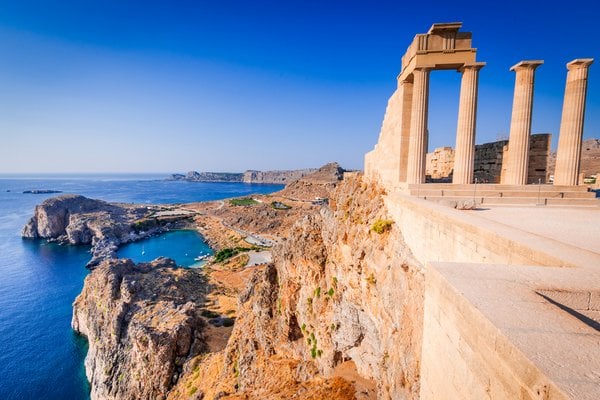
- Rhodes, Greece – A UNESCO-listed medieval Old Town, complete with stone walls, cobbled streets and the Palace of the Grand Master, alongside long sandy beaches beyond the harbour.
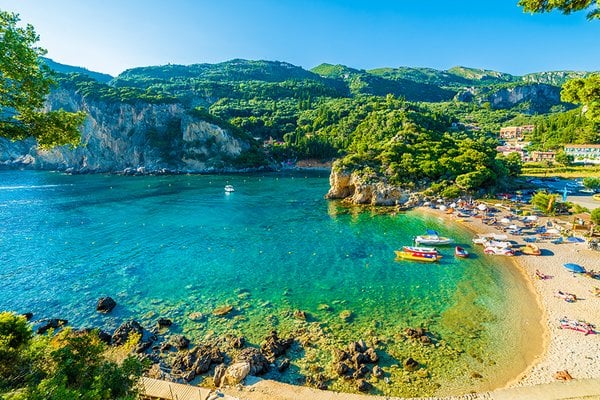
- Corfu, Greece – Known for Venetian architecture, emerald-green hills and elegant promenades, with Corfu Old Town and the Old Fortress just minutes from the cruise dock.
- Katakolon (Olympia), Greece – The historic gateway to Ancient Olympia, where guests can explore the original Olympic stadium and archaeological museum.
- Heraklion (Crete), Greece – A key Cretan port with access to the Palace of Knossos, Heraklion Archaeological Museum and lively harbourfront tavernas.
- Chania (Crete), Greece – A picturesque harbour lined with Venetian buildings, colourful cafés and easy routes to Balos Beach and the Samaria Gorge.
- Kos, Greece – Compact and walkable, Kos combines ancient ruins, sandy beaches and relaxed seaside dining close to the port.
- Santorini (Thira), Greece – Instantly recognisable for blue-domed churches and caldera views, with tender access to Fira, Oia and volcanic landscapes.
- Nafplio, Greece – One of Greece’s most elegant coastal towns, featuring neoclassical architecture, seaside promenades and Palamidi Fortress above the harbour.
- Thessaloniki, Greece – A cultural hub with Byzantine churches, Roman ruins and a lively waterfront lined with cafés and museums.
- Zakynthos, Greece – Known for Navagio Beach, dramatic limestone cliffs and turquoise waters, often paired with scenic boat excursions.
Together, these ports create the classic rhythm of a cruise Greece itinerary, blending headline destinations with atmospheric smaller towns that showcase Greece’s layered history, island culture and coastal scenery.
Top Attractions and Activities in Greece
Acropolis of Athens – Explore the Parthenon, Erechtheion and Temple of Athena Nike, then head to the Acropolis Museum to see original sculptures and Caryatids.
Plaka & Anafiotika Neighbourhoods – Wander the narrow streets beneath the Acropolis, with bougainvillea-lined lanes, tavernas and neoclassical houses.
Meteora Monasteries – Visit cliff-top monasteries like Varlaam and Great Meteoron, perched dramatically on sandstone pillars.
Delphi Archaeological Site – Walk the Sacred Way to the Temple of Apollo, then visit the Delphi Museum to see the Charioteer of Delphi.
Knossos Palace, Crete – Tour the reconstructed Minoan palace near Heraklion, linked to the legend of the Minotaur and the Labyrinth.
Nafplio & Palamidi Fortress – Climb the 999 steps (or drive up) for views over the Argolic Gulf and the old town below.
Greece offers an unbeatable mix of ancient wonders, mountain landscapes and atmospheric old towns, with iconic sites easily reached on cruise day trips.
Customs & Culture in Greece
Orthodox Traditions in Greece – Churches and monasteries, especially on islands, expect shoulders and knees covered for entry.
Taverna Dining Culture – Meals are leisurely, with shared dishes like souvlaki, spanakopita and grilled octopus served late into the evening.
Coffee and Conversation – Greek coffee or iced freddo espresso is often enjoyed slowly in harbour cafés.
Local Hospitality – Visitors may be offered complimentary fruit or a small sweet after meals, reflecting traditional philoxenia (hospitality).
Seasonal Expectations & Weather
Spring (April to June) – One of the best periods to cruise mainland Greece and the islands, with temperatures rising from 18–27°C. Wildflowers blanket hillsides in Crete and the Peloponnese. Greek Orthodox Easter (usually April) is the most significant religious holiday, bringing candlelit processions and busy ferry routes.
High Summer (July to August) – Hot, dry and intensely sunny, often 30–36°C in Athens and Rhodes. The Meltemi winds sweep across the Aegean, cooling islands like Mykonos but sometimes creating choppier crossings. August is peak European holiday season.
Autumn (September to October) – 22–29°C with warm seas ideal for swimming. Harvest festivals occur across rural regions, and crowds thin noticeably after mid-September.
Winter (November to March) – Mild but wetter, around 10–18°C. Many island businesses close outside Christmas and New Year, though Athens remains lively year-round.
Alternative regions to explore
If a Greece cruise vacation appeals to you but you are open to discovering other regions with similar cultural depth, coastal beauty and historic significance, several neighbouring cruise destinations offer compelling alternatives or extensions to a Greek itinerary.
- Mediterranean – The wider Mediterranean offers an exceptional mix of ancient civilisations, coastal cities and culinary traditions. Sailings often combine Greece with Italy, Spain or France, allowing visits to Rome, Barcelona and Marseille alongside Greek island ports.
- Adriatic Sea – The Adriatic delivers dramatic coastlines and well-preserved historic towns. Cruises frequently include Dubrovnik, Kotor and Split, providing medieval architecture and scenic harbour approaches that rival the Greek islands.
- Italy – Italy-focused cruises are ideal for travellers drawn to classical history, art and cuisine. Ports such as Venice, Naples and Sicily pair naturally with Greek itineraries, creating culturally rich sailings across Southern Europe.
- Turkey – Turkey complements Greece perfectly, particularly on combined Greece and Turkey cruise itineraries. Calls at Kusadasi provide access to Ephesus, while Istanbul offers a striking blend of European and Asian heritage.
- Southern Europe – Southern Europe cruises combine relaxed coastal cruising with culturally significant cities. These routes often feature Portugal, southern France and Spain alongside Greece, offering excellent variety for longer itineraries.
Each of these regions provides a natural extension or alternative to Greek cruising, allowing travellers to tailor their holiday around history, gastronomy, scenery or a blend of all three.
Top Greece Cruise Options & Alternatives
Whether you are planning a classic cruise to Greece or a longer Mediterranean journey that weaves together islands, ancient cities and turquoise coastlines, Cruise1st offers a wide range of carefully curated itineraries to suit every travel style.
Sailings from the UK and Southampton
- Cruises to Greece from Southampton – No-fly sailings offering a relaxed journey from the UK to the heart of the Greek islands.
- Greek Islands from Southampton – Extended itineraries combining iconic islands with scenic Mediterranean sea days.
- Greek Islands 2026 Cruises from Southampton – Ideal for forward planners seeking availability and value.
- Greek Islands 2027 Cruises from Southampton – Perfect for travellers booking well ahead for peak itineraries.
Year-based Greece cruise options
- Greece Cruises 2026 – Popular for spring and autumn sailings.
- Greece Cruises 2027 – Excellent choice for peak summer and shoulder-season travel.
- Greek Islands Cruises 2026 – Focused itineraries visiting Mykonos, Santorini and Crete.
- Greek Islands Cruises 2027 – Ideal for island-hopping enthusiasts.
Mediterranean and regional itineraries
- Mediterranean Cruise from Southampton – Combines Greece with Italy, Spain and France on longer sailings.
- 7 Night Mediterranean Cruises from Southampton – A balanced introduction to Greece and neighbouring countries.
- Mediterranean Cruises 2026 from Southampton – Great for travellers planning a future escape.
- Mediterranean Cruises 2027 from Southampton – Secure sought-after itineraries early.
FAQs about Greece cruises
What is the best time of year to cruise Greece?
The most popular period is May to September, with warm weather and calm seas. April and October are excellent alternatives for fewer crowds and milder temperatures.
What currency is used in Greece?
Greece uses the euro. Credit and debit cards are widely accepted, but small cash amounts are useful in villages and local tavernas.
Do I need a visa for a Greece cruise?
UK passport holders do not require a visa for short tourist stays in Greece and other Schengen countries.
What language is spoken in Greece?
Greek is the official language, but English is widely spoken in ports, tourist areas and on excursions.
Is tipping expected in Greece?
Tipping is appreciated but not mandatory. Small gratuities in restaurants and for guides are customary.
How long are typical Greece cruises?
Most itineraries range from 7 to 14 nights, with longer sailings available from the UK.
Can Greece cruises include Turkey?
Yes, many itineraries combine Greek islands with Turkish ports such as Kusadasi and Istanbul.
Do Greece cruises include both islands and mainland stops?
Many do — common combinations include islands plus Athens, Katakolon (for Olympia), or Thessaloniki.
What’s the best Greek island for beaches?
Mykonos, Rhodes and Crete are favourites, depending on whether you want lively or quieter beaches.
Is Greece very hot in summer?
Yes — July and August often exceed 30°C, with strong sun and minimal shade in port towns.
Do Greece cruises include Santorini and Mykonos together?
Very often — they’re a classic pairing on Aegean itineraries.
What should you wear for Greek ports?
Light clothing, comfortable shoes for stone steps, and modest clothing for monasteries and churches.
Yearning for the history and beauty of Greece? Call our Cruise Specialists and let us help you find your perfect Greece cruise.
Expert Tips for Cruising Greece
Greece cruises are best enjoyed by exploring ports early morning or late afternoon, when cruise crowds thin and temperatures are cooler. Travellers should look beyond main port towns, as hillside tavernas often offer better food and pricing than waterfront options.
 +44
+44