


Transatlantic Cruises
Transatlantic cruises deliver iconic ocean crossings, relaxed sea days and classic voyages between Europe and North America.
Our Best Transatlantic Deals
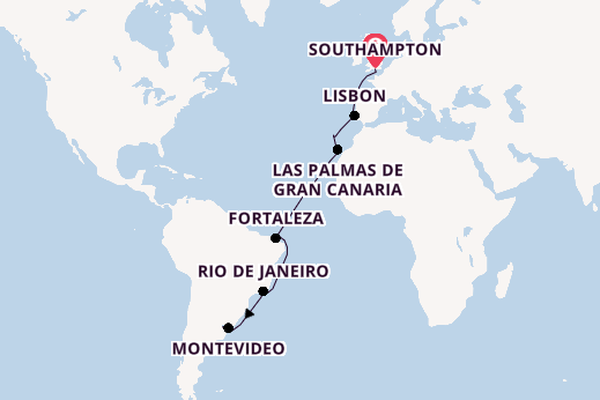
South American Passage & Buenos Aires Stay
- Includes 2 night Buenos Aires hotel stay
- Visiting Madeira & The Canary Islands
- Late night departure in Rio De Janeiro

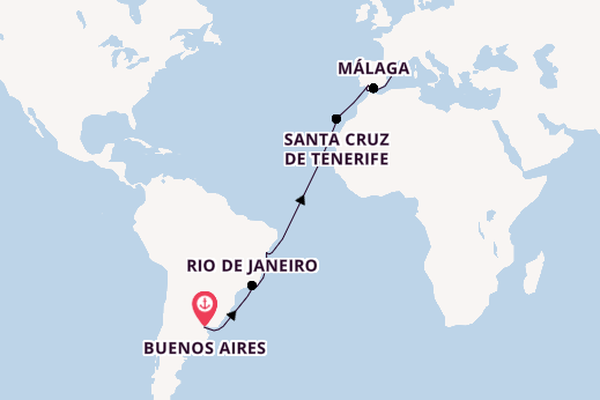
From Tangos to Siestas: South America to Spain Voyage
- NEW LUXURY - ALL INCLUDED DRINKS & WIFI!
- Includes 3 Night Buenos Aires Hotel Stay
- Book for Just £449 PP Deposit!
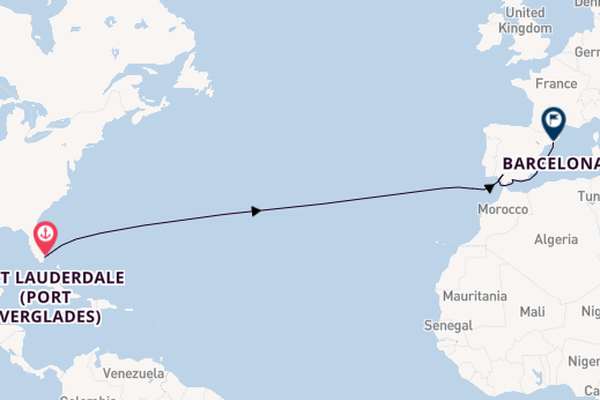
Sunshine State to Spanish Delights Transatlantic
- Newest Ship at Sea, Over 28 Dining options, Biggest Waterpark at Sea & Top of the Range Entertainment
- Book now for £199pp deposit
- Wide range of entertainment available
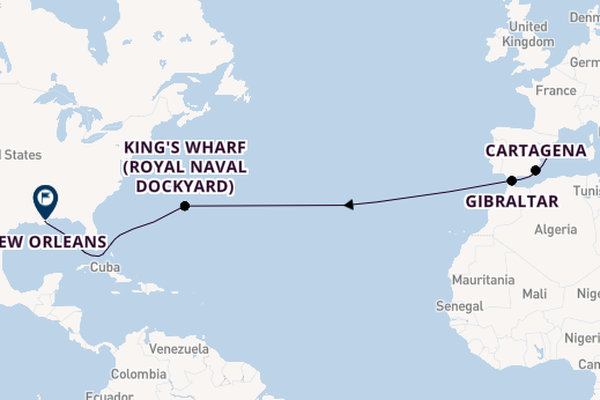
Barcelona to the Heart of Jazz: A Transatlantic Crossing to New Orleans
- Newly Released, Cruise1st Exclusive
- Includes FREE Barcelona Hotel Stay | Includes 3 Nights New Orleans Hotel Stay
- Book a Inside Cabin & receive a FREE Oceanview Upgrade | Book now for £199pp deposit
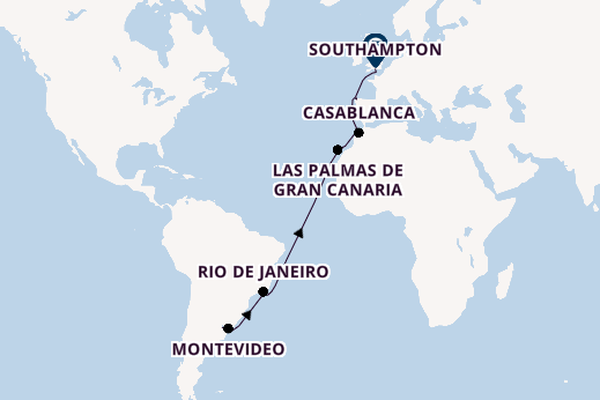
Majestic Atlantic Odyssey: Buenos Aires to Southampton
- Includes 2 night Buenos Aires hotel stay
- Multinational Exploration
- Iconic Ports of Call
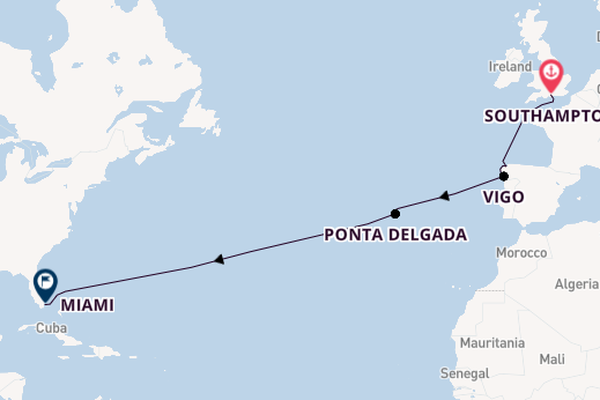
Southampton to the Sunshine State: A Transatlantic Journey
- Includes Flight to UK, 12 Night Full Board Cruise
- Book a return Flight to Manchester, Birmingham or Glasgow and Receive a FREE Coach Transfer To Southampton
- Includes Onboard All You Can Eat Dining, All Day Poolside Play, Award Winning Entertainment & Action-Packed Activities & More
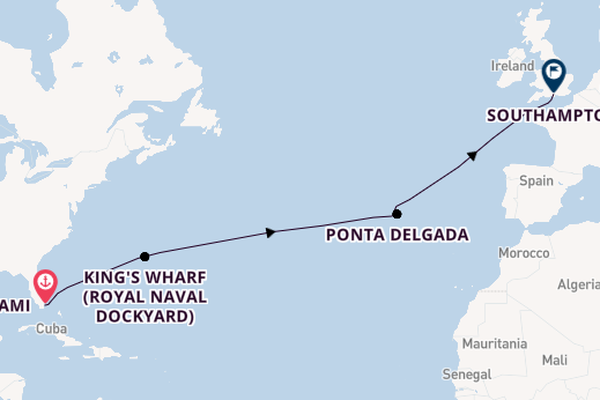
Sunshine State Transatlantic to Southampton With Miami Beach Stay
- Includes 3 night Miami Beach Stay | Popular Choice Ship Within the Fleet
- Action Packed Ship including three stories of thrills | Wide Choice of dining onboard from Italian Classics to Mexican Tacos and Much More
- Book now for just £199pp deposit
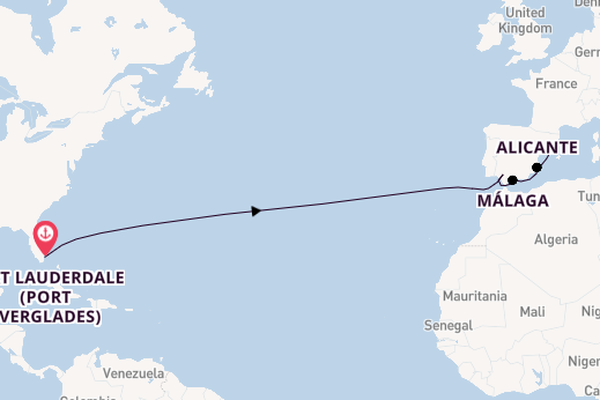
Transatlantic from Fort Lauderdale (Port Everglades), Florida with the Legend of the Seas
- Wide range of entertainment available
- Large selection of bars and lounges
- Spa treatments available in "Vitalty Spa"
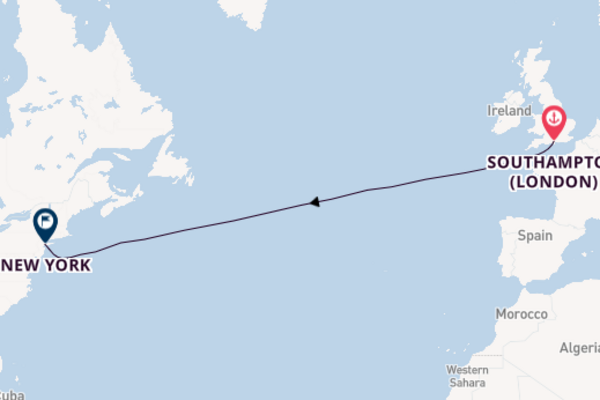
Luxury Southampton to New York Transatlantic with New York Stay
- Includes 3 night New York hotel stay
- FREE Upgrade from an Oceanview to a Balcony Stateroom
- Iconic Transatlantic Voyage
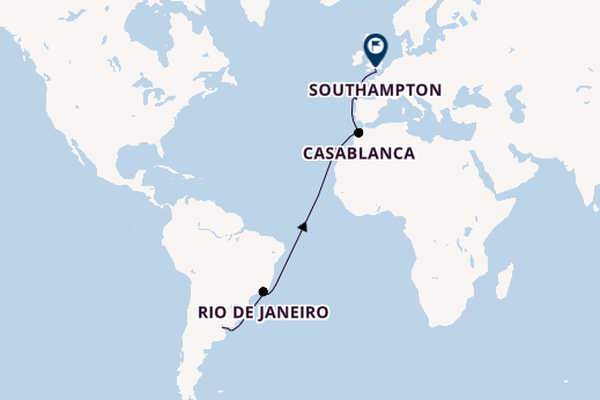
Luxury South American Passage & Buenos Aires Stay
- Includes 2 night Buenos Aires hotel stay
- Late night departure from Rio De Janeiro
- Add Drinks, WIFI, Gratuities & More for £50pppd
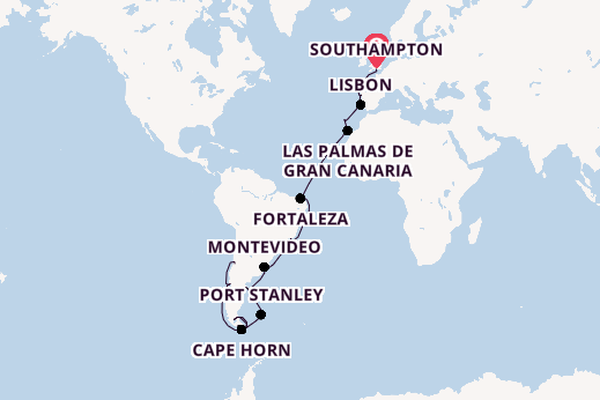
Luxury South American Adventure: Brazil, Argentina & Chilean Fjords
- 2 nights onboard in Buenos Aires, Argentina
- Includes 2 night Santiago, Chile hotel stay
- Add Drinks, WIFI, Gratuities & More for £50pppd
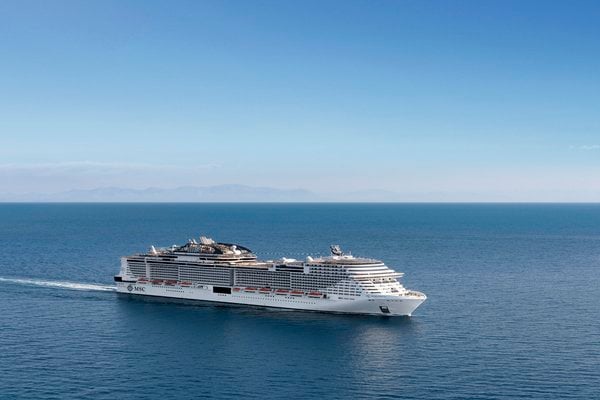
Transatlantic from Southampton, England with the MSC Meraviglia
- Galleria Meraviglia's 96-metre LED sky promenade is the ship's beating heart — boutiques, restaurants, nightly entertainment
- Rock Circus and House of Houdini — exclusive Carousel Productions shows — are performed only on Meraviglia and Bellissima
- Polar Aquapark, full-sized bowling alley, Formula 1 simulators, and MSC Yacht Club cater for every age and mood
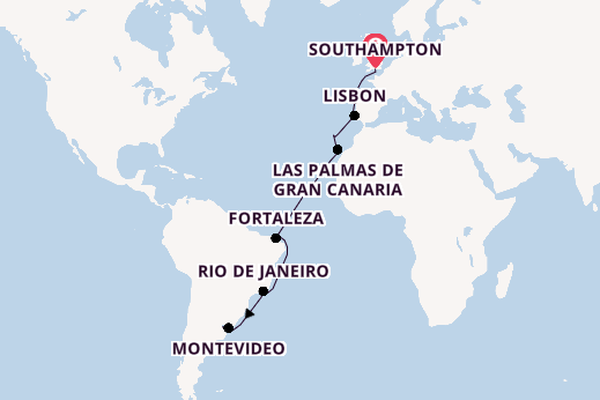
South American Passage with Iguazu Falls, Buenos Aires and Rio Tour
- Add Drinks, WIFI, Gratuities & More for £50pppd
- Includes 6 night Iguazu Falls, Buenos Aires & Rio Tour
- Book now for £299pp Deposit
Transatlantic from Southampton, England with the MSC Meraviglia
- Galleria Meraviglia's 96-metre LED sky promenade is the ship's beating heart — boutiques, restaurants, nightly entertainment
- Rock Circus and House of Houdini — exclusive Carousel Productions shows — are performed only on Meraviglia and Bellissima
- Polar Aquapark, full-sized bowling alley, Formula 1 simulators, and MSC Yacht Club cater for every age and mood
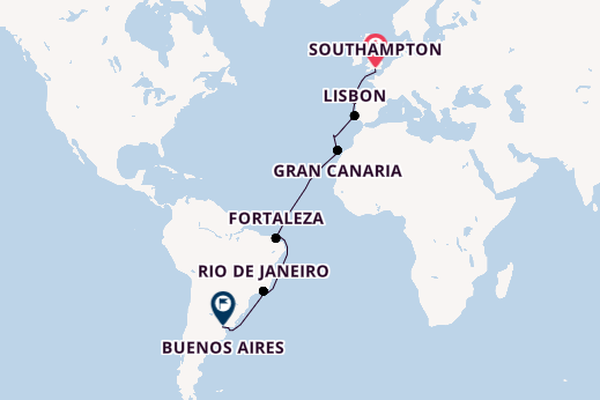
Luxury South American Passage & Buenos Aires Stay
- Includes 2 night Buenos Aires hotel stay
- Available in reverse in February 2028
- Includes Instant Savings of up to £800 per stateroom
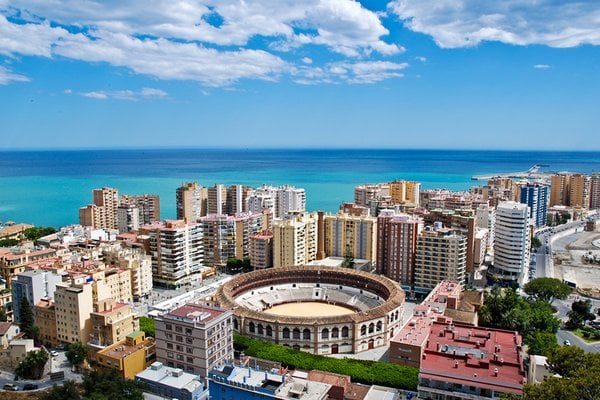
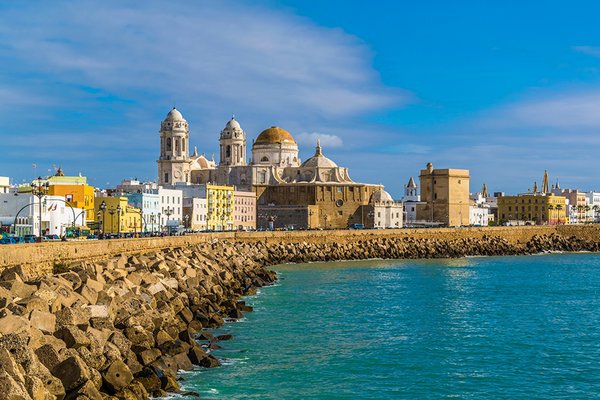
Harbours for Transatlantic






Travel Tips for Transatlantic
Cross The Atlantic In Timeless Style
A transatlantic cruise is one of the most satisfying ways to travel between continents: unhurried, comfortable, and rich in that “proper voyage” feeling you simply don’t get on a flight. Rather than hopping between ports every day, you settle into ship life, enjoy long sea days, and watch the horizon change as you cross the Atlantic.
You’ll often find these sailings offered as a transatlantic crossing when ships reposition between seasons. Many itineraries are designed as a transatlantic cruise one-way journey, which can be ideal if you’re planning a longer trip, combining a cruise with a city stay, or ticking off a bucket-list sea crossing.
Top Harbours for Transatlantic Cruises
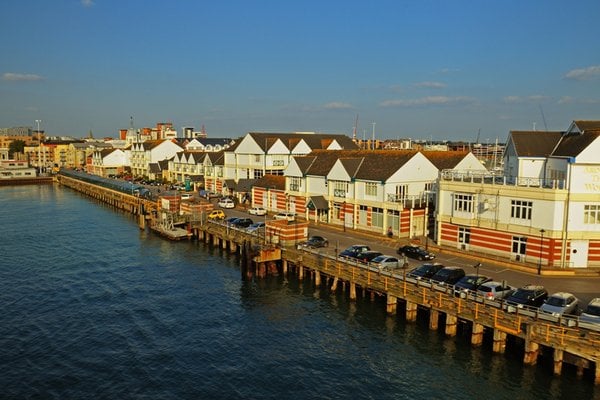
Southampton – The UK’s classic transatlantic departure point, especially for Cunard-style crossings.
New York – A legendary arrival harbour with skyline sail-ins and Statue of Liberty views.
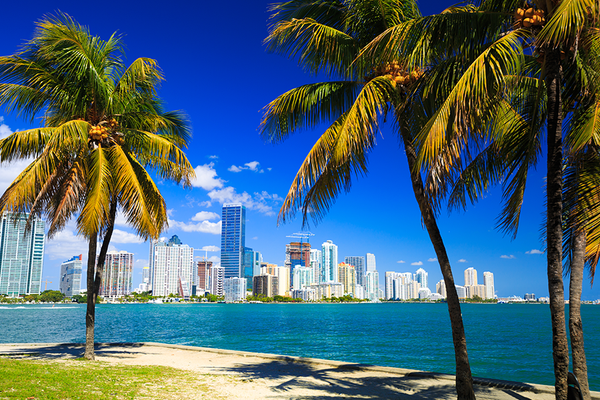
Miami – Often used for repositioning cruises and Caribbean connections.
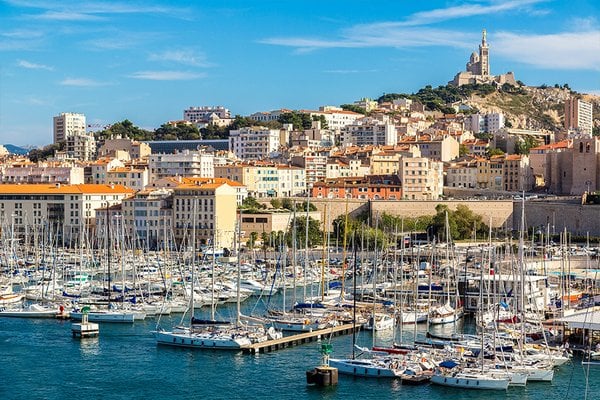
Barcelona – A popular European start point for crossings towards the Americas.
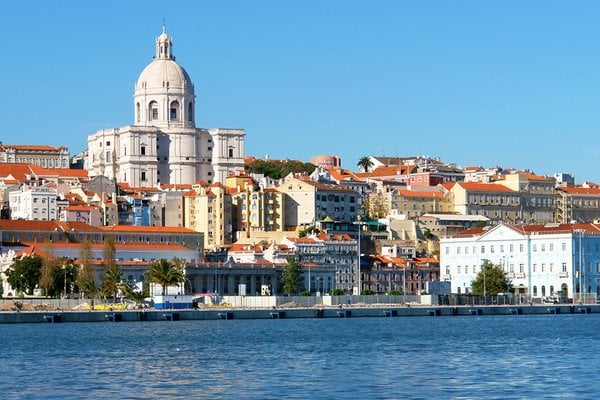
Lisbon – A frequent mid-route stop, ideal for scenic sailing and cultural touring.
Top Attractions and Activities on Transatlantic Cruises
Ponta Delgada, Azores – Visit Sete Cidades crater lakes and the Portas da Cidade arches.
Funchal, Madeira – Ride the Monte toboggan and tour Blandy’s Wine Lodge.
Bermuda’s Horseshoe Bay – Relax on pink sand beaches near Royal Naval Dockyard.
Halifax Citadel, Nova Scotia – Explore the star-shaped fortress overlooking the harbour.
Reykjavík’s Hallgrímskirkja – Climb the tower for city views.
Statue of Liberty, New York – Sail past on arrival into Manhattan.
Transatlantic voyages blend relaxing sea days with unique island and coastal highlights on either side of the ocean.
Customs & Culture in Transatlantic
Classic Ocean Liner Traditions at Sea – Transatlantic sailings often lean into ballroom dancing, afternoon tea and formal evenings more than typical cruises.
Sea Days and Social Life – Guests tend to dress slightly smarter during the day, with quizzes, bridge and lectures forming a key part of the culture onboard.
Arrival Customs in the USA – New York arrivals can involve stricter immigration procedures, so keep passports handy and allow extra time.
Sailing Heritage in Southampton – Many voyages begin where famous liners once departed, making maritime history part of the experience.
Seasonal Expectations & Weather
Spring Crossings (April to May) – Mild departures from Florida (25–30°C) transitioning to cooler North Atlantic air (10–18°C near Europe). Seas can be moderately choppy.
Autumn Crossings (September to November) – Reverse repositioning voyages; hurricane season may influence Caribbean departures.
Major holidays such as Easter, US Thanksgiving and Halloween often coincide with repositioning cruises.
Atlantic swells are more pronounced than Mediterranean or Caribbean waters.
Alternative Regions to Consider
Repositioning Cruises (Mediterranean to Caribbean) – If you like transatlantic sailings for their sea-day luxury, repositioning itineraries offer the same relaxed pace with a better port mix at either end. You’ll often get a Mediterranean finale plus Caribbean island days, making it feel like two holidays in one.
Panama Canal Crossings – If your interest is the “journey as the headline”, the Panama Canal delivers an equally iconic transit with added port variety. It’s ideal if you want engineering spectacle plus colourful destinations like Cartagena and Puerto Vallarta.
Northern Europe to Iceland – For a cooler-weather alternative with plenty of sea days, consider sailings from the UK or Scandinavia to Iceland. You’ll still get that long-voyage feel, but with dramatic landscapes and shorter flight options.
World Cruise Segments – If you want the glamour of a long crossing without committing to a full round-the-world itinerary, book a world-cruise sector such as Europe to South America or Australia to Asia. It’s a brilliant way to sample the experience in a manageable timeframe.
Top Transatlantic Cruise Options & Alternatives
Transatlantic Cruises By Departure Style
- Transatlantic Cruises from Southampton – set sail from a top UK cruise hub with easy onward travel links.
- Transatlantic Cruises from the UK – explore UK departure options when you want to skip flights at the start.
- Transatlantic Cruises from USA – ideal if you’re starting stateside and want a classic ocean crossing route.
- Transatlantic Fly Cruises – combine flights with a crossing for a flexible start or finish to your holiday.
Transatlantic Cruises By Year
- Transatlantic Cruises 2026 – plan ahead for strong choice across routes, ships, and cabin types.
- Transatlantic Cruises 2027 – browse future sailings if you like locking in the best dates early.
Cruise Line Highlights
- Princess Transatlantic Cruises – relaxed, polished cruising with excellent dining and sea-day comfort.
- Transatlantic 2026 Cruises with P&O Cruises – British-style favourites with a home-from-home feel on board.
- Transatlantic 2027 Cruises with P&O Cruises – perfect for planning ahead and choosing the cabin you really want.
Signature Sailings And Value Options
- Transatlantic Cruises Aboard Queen Mary 2 – the classic ocean-liner experience with sea days that feel truly special.
- All Inclusive Transatlantic Cruises – bundle more of your onboard essentials for easier budgeting at sea.
FAQs about Transatlantic Cruises
What is a transatlantic cruise?
A transatlantic cruise is a sailing that crosses the Atlantic Ocean, typically between Europe and North America. Some itineraries add island stops along the way, while others focus on sea days and the onboard experience.
How long does a transatlantic crossing usually take?
It varies by route and stops, but many crossings sit in the range of roughly one to two weeks. Sailings with extra ports will usually be longer than a direct crossing.
Are transatlantic cruises good value?
They can be, especially for travellers who enjoy ship life. You’re paying for a full-board holiday with plenty included each day, and fewer port days can mean fewer excursion costs unless you choose to add them.
Will the sea be rough?
The Atlantic can be changeable, but modern ships have stabilisers and experienced crews. If you’re prone to motion sickness, pack remedies and consider a mid-ship, lower-deck cabin location for a steadier feel.
Is a transatlantic cruise one-way right for me?
If you’re planning a longer holiday, relocating for a period, or combining the cruise with a stay, a one-way crossing can be a brilliant fit. It also avoids doubling back, so the journey can feel like a true “point-to-point” adventure.
What should I pack for a crossing?
Think layers for changing sea days, a light jacket for breezy decks, and something smarter if you enjoy dress-up evenings. For sea-day comfort, bring a book or Kindle, a refillable bottle, and comfortable shoes for walking the promenade.
How long does a transatlantic cruise take?
Typically 7–16 nights depending on route, with longer itineraries including extra ports like the Azores or Madeira.
Do transatlantic cruises have many sea days?
Yes — expect several consecutive sea days, which is ideal for relaxing and onboard activities.
What’s the best month for a transatlantic cruise?
Spring and autumn are most common, often when ships reposition between Europe and the Caribbean.
Is the Atlantic crossing rough?
It can be — the North Atlantic is known for swell, particularly in winter and early spring.
Are transatlantic cruises good value?
Often yes — they can be cheaper per night than port-heavy cruises, especially for balcony cabins.
Ready for an epic Transatlantic crossing? Call our Cruise Specialists and let us help you find your perfect Transatlantic cruise.
Expert Tips for Cruising the Transatlantic
On transatlantic cruises, we recommend mid-ship cabins on lower decks for maximum comfort during extended sea days. We also advise packing layered formalwear, as evening temperatures can shift noticeably as the ship crosses climate zones.
 +44
+44