


Iceland Cruises
Iceland cruises showcase dramatic landscapes, geothermal wonders and unforgettable natural beauty.
Our Best Iceland Cruises Deals
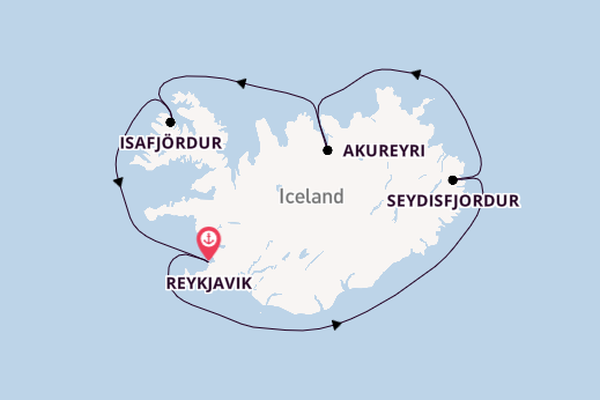
Iceland’s Natural Wonders: Reykjavik & Beyond
- All Included - FREE Drinks and WiFi Worth $763 PP
- Inlcudes 3 Night Reykjavik Hotel Stay
- Experience the Natural Sights and Beauty of Iceland

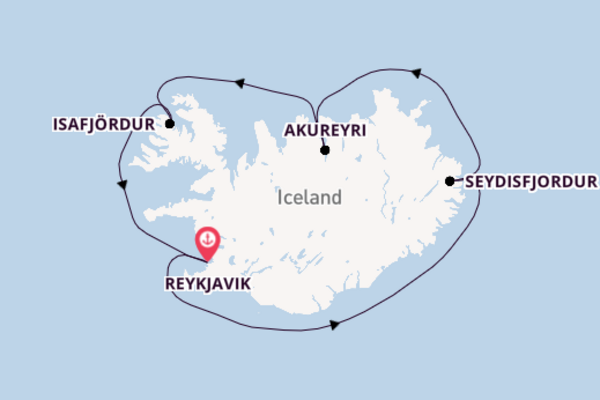
Arctic from Reykjavik, Iceland with the Celebrity Silhouette
- Experience innovative dining with iPad menus at Qsine
- Play Sous chef to a celebrity chef at the Lawn Club Grill
- Tax and duty-free shopping at top designer brands

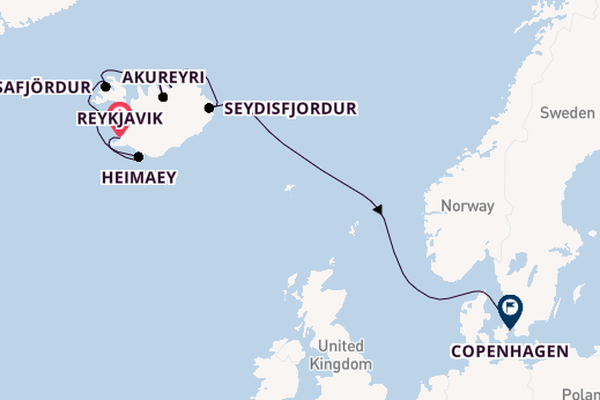
Arctic from Reykjavik, Iceland with the Azamara Quest
- Perfectly sized ships: big enough for great dining and entertainment, but small enough to feel personal and reach ports big ships can’t
- The AzAmazing Evenings totally live up to the name: experience top-notch entertainment in the most incredible settings
- It’s like slow travel, but on a cruise: late departures and overnight stays will give you plenty of time to explore

Arctic from Reykjavik, Iceland with the Celebrity Summit
- Award-winning stage shows at "54 Below"
- "Scratch DJ Academy" created by Run DMC
- "Qsine" menu created by Master Chef's James Beard
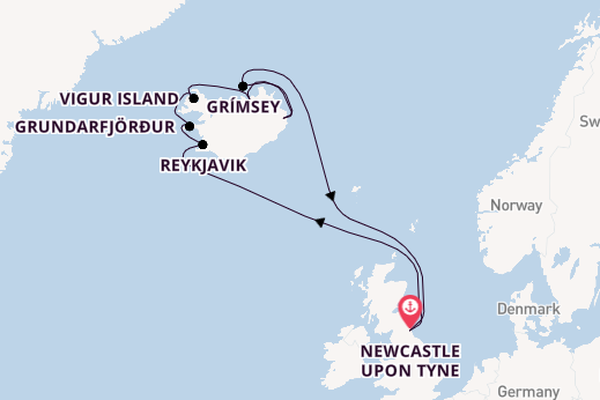
Arctic from Newcastle upon Tyne, England with the Bolette
- Traditional cruising
- A true taste of Britain
- Exemplary onboard service

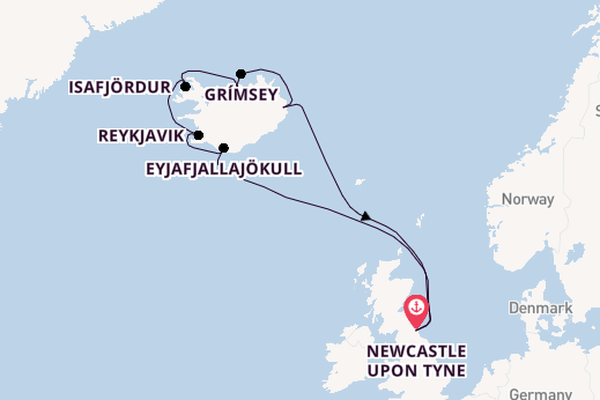
Arctic from Newcastle upon Tyne, England with the Bolette
- Traditional cruising
- A true taste of Britain
- Exemplary onboard service
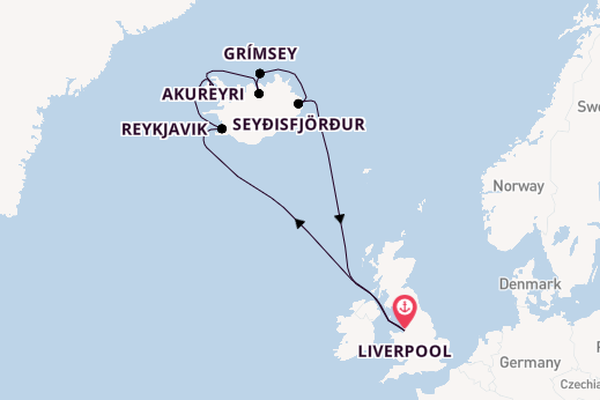
Arctic from Liverpool, England with the Borealis
- Traditional cruising
- A true taste of Britain
- Exemplary onboard service
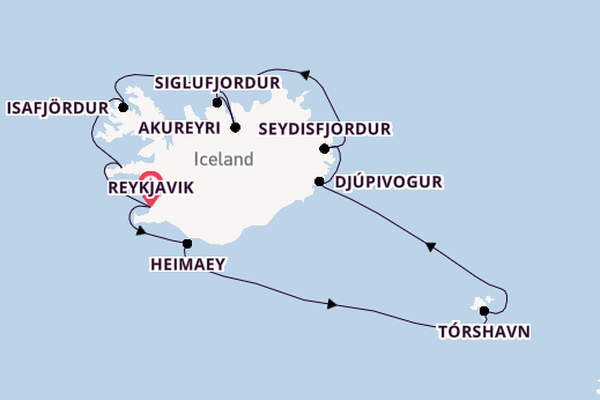
Arctic from Reykjavik, Iceland with the Insignia
- Tailored, exclusive experiences
- All amenities and culinary delights included
- Country Club atmosphere

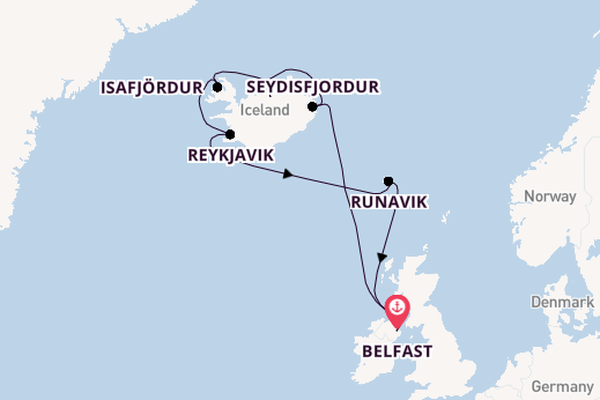
Cruise with Ambassador Cruise Line from Belfast
- Prices Shown include Buy One Cruise Fare and receive the Second Passenger Half Price
- If you book the Ambassador Fare you will receive 15% off your drinks package
- No-fly cruising from UK ports means your holiday starts without airport queues, just smooth sailing from the moment you arrive
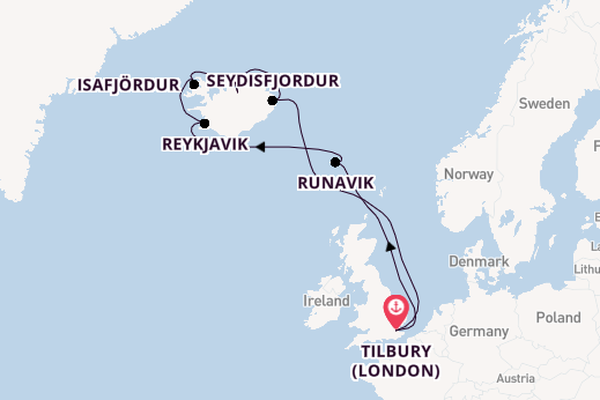
Sailing from Tilbury (London) via Runavik
- Huge New Savings Includes Up To 20% Discount
- No-fly cruising from UK ports means your holiday starts without airport queues, just smooth sailing from the moment you arrive
- It feels like home, but with way better views: enjoy a proper British cruise with entertainment that feels familiar and fun
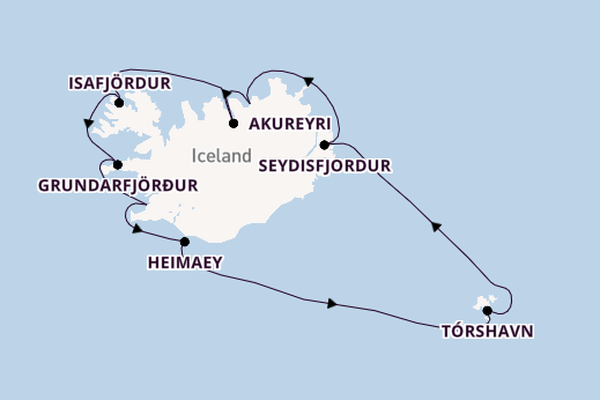
Arctic from Reykjavik, Iceland with the Seven Seas Prestige
- All-inclusive luxury
- Complimentary shore excursion programs
- Luxurious all-suite 6-star ships

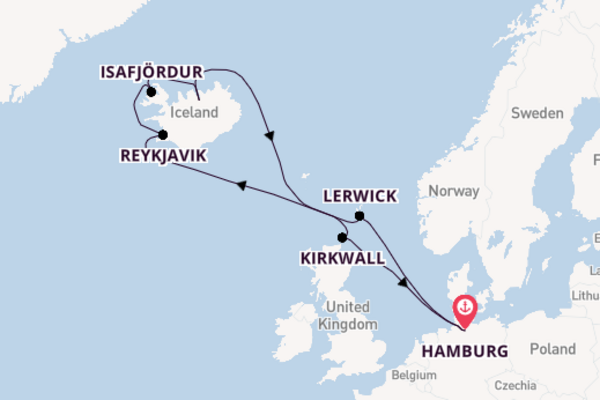
Arctic from Hamburg, Germany with the MSC Preziosa
- Swarovski crystal staircases and a cobbled Italian piazza define Preziosa's elegance throughout the public spaces
- Vertigo — one of the longest waterslides at sea — plus a 4D cinema, F1 simulator, Platinum Theatre, and bowling alley
- MSC Yacht Club delivers butler service, a private pool deck, and exclusive dining; Starlink Wi-Fi throughout

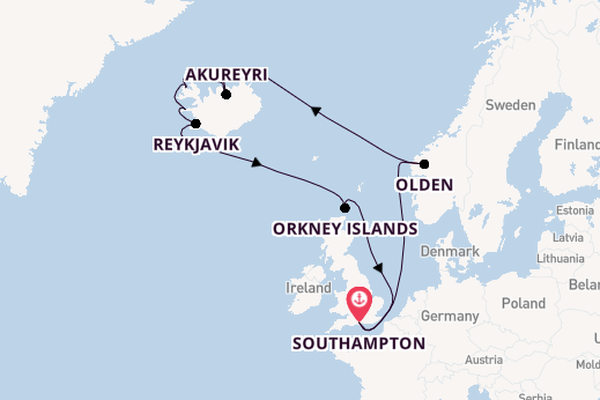
Luxury No Fly Iceland & Norway
- The Royal Court Theatre is the first at sea to feature private boxes — host to West End-calibre productions nightly
- The largest ballroom at sea hosts Cunard's famous Gala evenings with a live orchestra and white-gloved afternoon tea service
- Tiered dining across Britannia, Princess Grill and Queen's Grill restaurants — the most traditional class-dining experience afloat

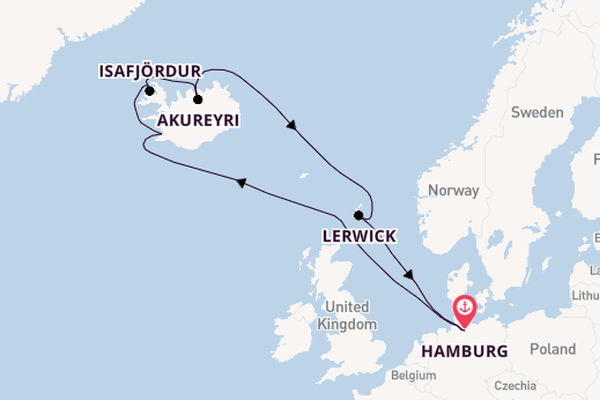
Arctic from Hamburg, Germany with the MSC Preziosa
- Swarovski crystal staircases and a cobbled Italian piazza define Preziosa's elegance throughout the public spaces
- Vertigo — one of the longest waterslides at sea — plus a 4D cinema, F1 simulator, Platinum Theatre, and bowling alley
- MSC Yacht Club delivers butler service, a private pool deck, and exclusive dining; Starlink Wi-Fi throughout
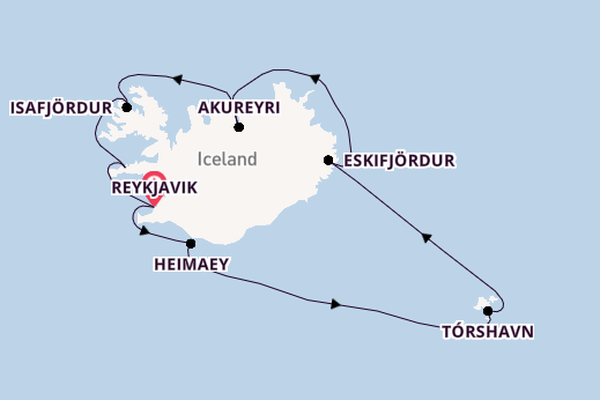
Arctic from Reykjavik, Iceland with the Seven Seas Splendor
- Unrivalled Space at Sea
- The Most Inclusive Luxury Experience
- Immersive Exploration
Harbours for Iceland
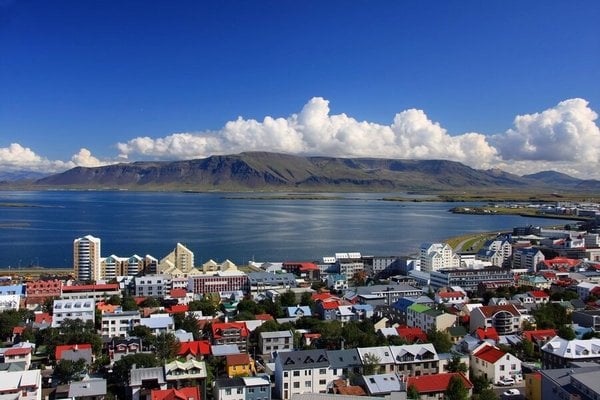
Travel Tips for Iceland Cruises
Discover Dramatic Icelandic Landscapes
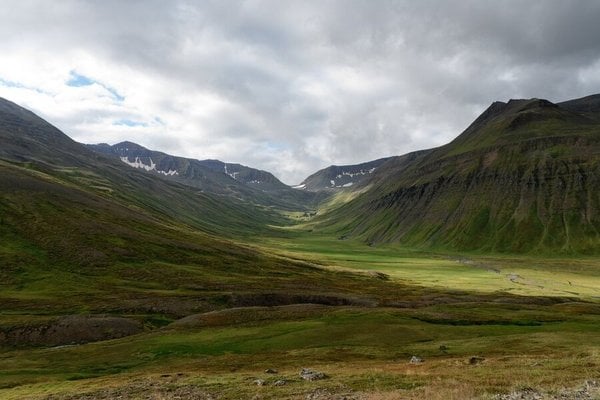
If you’re dreaming of a holiday that feels properly different, Iceland cruises are hard to beat. One day you’re wandering a colourful harbour town; the next you’re looking out over lava fields, thundering waterfalls and mountain backdrops that don’t look real. An Iceland cruise is also one of the easiest ways to see a lot in a short time, especially when the itinerary strings together smaller ports that would take ages to reach by road. For UK cruisers, it’s a fantastic choice for cooler-weather adventure, with excursions that range from geothermal lagoons to whale-watching and golden-circle style sightseeing. If you’re tempted by routes that combine more than one northern hotspot, there are also itineraries that sit neatly alongside Greenland and the Norwegian Fjords, giving you plenty of options for a bigger, once-in-a-lifetime voyage.
Top Harbours in Iceland
Most itineraries mix a capital-city stop with quieter, scenery-first ports. These are some of the standout places you may visit on cruises to Iceland:
- Reykjavik, Iceland – The gateway port for classic sightseeing routes and a brilliant city for food, culture and easy day tours.
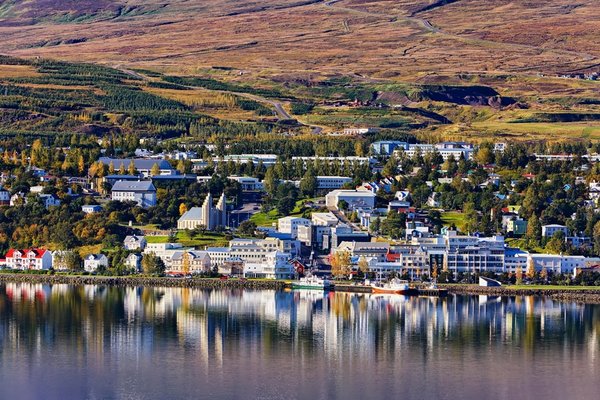
- Akureyri, Iceland – Northern charm with access to dramatic countryside and waterfall excursions.
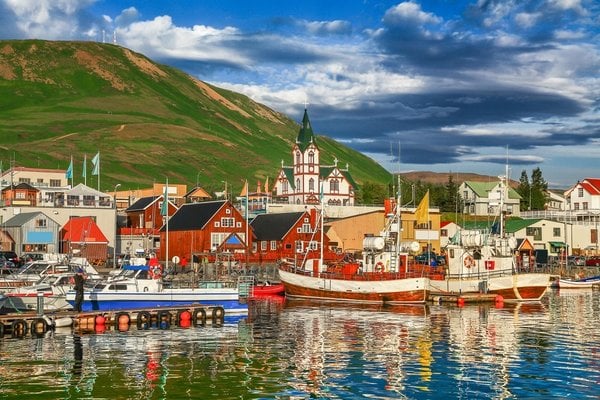
- Húsavík, Iceland – A favourite for whale-watching trips and coastal scenery.
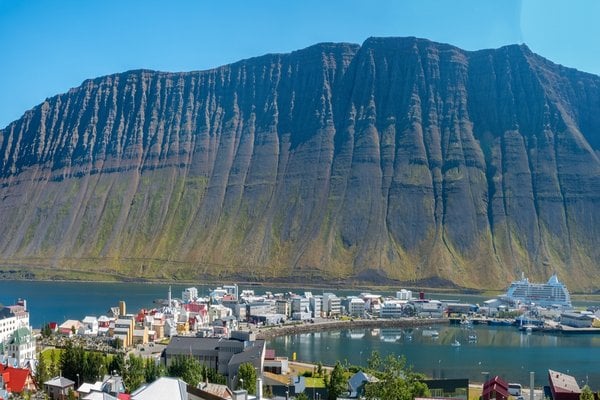
- Isafjördur, Iceland – Westfjords landscapes, steep-sided valleys and some of the most photogenic approaches by sea.
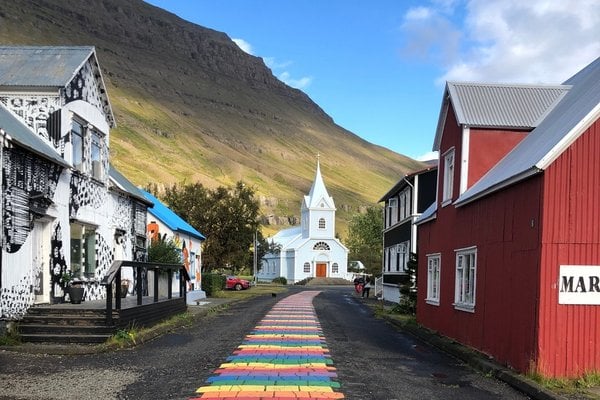
- Seydisfjordur, Iceland – A picture-perfect fjord town with artsy touches and beautiful mountain drives.
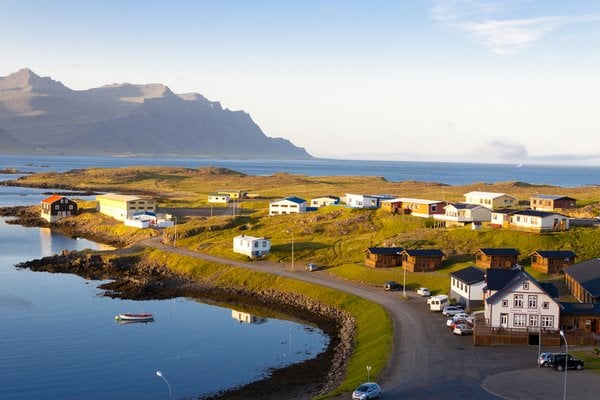
- Djúpivogur, Iceland – A small harbour stop that feels peaceful and local, ideal for easy walks and scenic viewpoints.
- Grundarfjörður, Iceland – Famous for big scenery and camera-friendly coastal views.
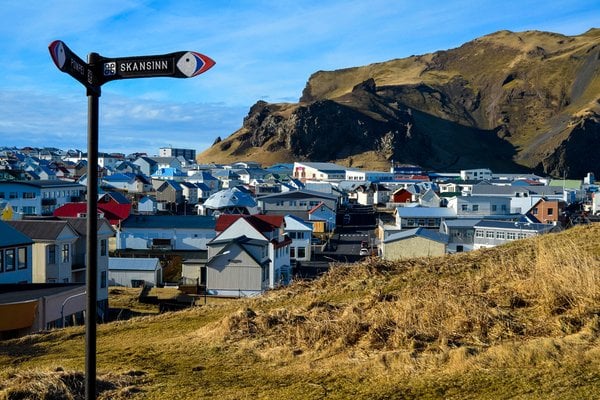
- Heimaey, Iceland – A fascinating stop with volcanic history and excellent cliff and coastline views.
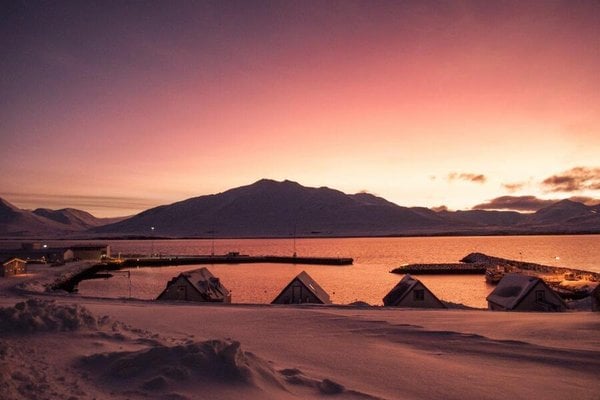
- Eyjafjördur, Iceland – A gorgeous fjord area that’s all about scenery, lookout points and calmer coastal days.
- Hrisey, Iceland – A quieter, off-the-beaten-path style stop if your itinerary includes smaller locations.
Attractions and Activities in Iceland
A cruise to Iceland is all about natural showstoppers, but you’ll also find great food, strong coffee culture and plenty of local character. Popular experiences include:
- Geothermal soaking – Warm-water lagoons and natural hot pools are a must. Many tours from Reykjavik focus on relaxing bathing experiences alongside scenic drives.
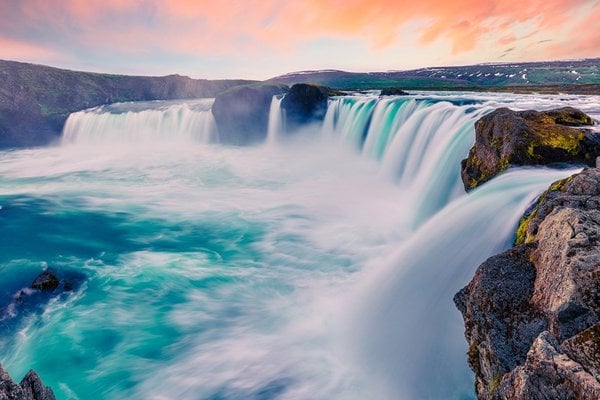
- Waterfalls that live up to the hype – Expect powerful cascades, misty viewpoints and short walks that reward you quickly (bring a light waterproof layer).
- Whale-watching and marine life – Northern ports are well placed for boat trips, with chances to spot whales and seabirds in season.
- Volcanic landscapes – Lava fields, black-sand beaches and rugged coastlines make even a simple coach tour feel like a proper expedition.
- Reykjavik city time – Browse design shops, try rye bread ice cream, and take in landmarks like Hallgrímskirkja and Harpa Concert Hall.
- Small-town wandering – Many Icelandic ports are made for a relaxed stroll: harbourside cafés, local museums and scenic viewpoints within easy reach.
Insider tip: If you’re planning a busier excursion day, pack swimwear anyway. It’s surprisingly satisfying to end your afternoon with a geothermal dip before returning to the ship.
Customs & Culture in Iceland
Hot Spring Culture in Iceland – Cruise passengers visiting Reykjavík often head straight for geothermal bathing, from Sky Lagoon to the Blue Lagoon.
Language and Naming Traditions – Iceland uses patronymic surnames, so you’ll meet Jónsson and Jónsdóttir rather than family names.
Local Food Customs – Try skyr, lamb soup and fresh cod; adventurous visitors may sample fermented hákarl.
Respect for Nature – Icelanders take environmental care seriously; stepping off marked paths near waterfalls is frowned upon.
Seasonal Expectations & Weather
Late Spring (May to June) – 5–12°C with rapidly lengthening daylight. Snow may linger inland, but coastal routes are accessible. Iceland’s National Day (17 June) brings local celebrations.
Summer (July to August) – 10–15°C, occasionally warmer in Reykjavik. Nearly 24-hour daylight enhances scenic cruising. Seas are often manageable but can become rough in open North Atlantic stretches.
Autumn (September) – 5–11°C with shorter days and increasing chance of rain. Early Northern Lights sightings become possible.
Cruising is limited outside May–September due to winter ice and storm risk.
Alternative Regions to Consider
If the allure of Iceland has captured your interest, but you wish to explore other regions, consider these enticing alternatives:
- Norwegian Fjords – Discover spectacular fjord landscapes with dramatic cliffs and stunning waterfalls. The fjords offer an enchanting atmosphere, perfect for outdoor enthusiasts and culture lovers alike.
- Arctic – Embrace the unspoiled beauty of the Arctic, where you can experience magnificent icebergs, wildlife, and immerse yourself in local cultures of the remote communities.
- Greenland – With breathtaking landscapes and a unique blend of Inuit culture, Greenland offers an adventure unlike any other. Cruise through ice-filled waters and witness stunning glaciers, along with charming towns.
- British Isles – Experience the cultural heritage and varied landscapes of the British Isles, with visits to historic sites, charming coastal towns, and captivating local culture.
- Faroe Islands – Known for their dramatic cliffs and vast bird colonies, the Faroe Islands entice nature lovers and adventurers with unparalleled scenic beauty and unique landscapes.
Top Iceland Cruise Options
Best ways to cruise from the UK
- Iceland Cruises from the UK – Handy sailing options designed with UK travellers in mind, often with minimal fuss getting to port.
- Iceland Cruises from Southampton – A doorstep-departure favourite for cruisers who want to skip the flight and settle in from day one.
- Liverpool Cruises to Iceland – A great alternative departure point with a proper “set sail from home” feel.
Plan by year and availability
- Iceland Cruises 2026 – Ideal if you want the widest range of itineraries and the best cabin choice.
- Iceland Cruises 2027 – Perfect for planning ahead, especially for peak summer dates.
Fly-cruise options
- Iceland Fly Cruises – A smart route if you want to maximise time around Iceland with fewer sea days on either side.
Port highlights to look for
- Reykjavik, Iceland – Great for hot-springs day trips and a lively food scene.
- Akureyri, Iceland – A scenic northern stop that suits nature lovers.
- Húsavík, Iceland – Strong pick for whale-watching excursions.
- Isafjördur, Iceland – Westfjords scenery and a dramatic arrival by sea.
- Seydisfjordur, Iceland – Fjord views, small-town charm and easy scenic drives.
- Grundarfjörður, Iceland – A photogenic stop with big, rugged coastal views.
- Djúpivogur, Iceland – A quieter harbour for relaxed exploring and scenic viewpoints.
- Heimaey, Iceland – Volcanic history and cliffside scenery in one memorable stop.
- Eyjafjördur, Iceland – A gorgeous fjord experience for pure scenery days.
- Hrisey, Iceland – A smaller, calmer stop that feels more local and unhurried.
Choose by cruise line preference
- Princess Iceland Cruises – A popular option for cruisers who want a polished onboard experience alongside varied itineraries.
FAQs About Iceland Cruises
When is the best time to take an Iceland cruise?
Most itineraries run in the milder months when daylight is longer and excursions are easiest to plan. Summer is popular for scenery and wildlife, while shoulder-season sailings can feel quieter.
Can I combine Iceland with Norway on one trip?
Yes, some routes are designed as a natural pairing with the Norwegian Fjords, giving you a brilliant mix of ports and landscapes.
Are Iceland cruises good for first-time cruisers?
Absolutely. Ports are easy to explore, shore days are varied, and the scenery alone makes every sailing day feel special.
Do I need to book excursions in advance?
For hot springs trips, whale-watching and popular scenic tours, booking ahead is sensible. For port walks and café days, you can often decide on the day.
What should I pack?
Layers are key: a lightweight waterproof jacket, comfortable walking shoes, and warm mid-layers you can add or remove easily. Pack swimwear too for geothermal stops.
Is Reykjavik walkable from the port?
In many cases, yes, and it’s a great city for a relaxed wander. If you’re heading out of town for sightseeing, tours are the easiest way to cover more ground.
Will I see wildlife?
Depending on route and season, you might spot whales on boat trips, seabirds along the coast, and plenty of coastal scenery that feels completely untouched.
Are fly-cruises worth it?
They can be, especially if you want more time around Iceland itself and fewer sea days at the start or end of the itinerary.
Is Iceland expensive?
It can be, particularly for organised tours and dining out. A good approach is choosing one or two must-do excursions and keeping other port days simple.
Can I include Greenland as well?
Some northern routes link neatly with Greenland, especially if you want iceberg scenery and more remote ports.
How far in advance should I book?
For peak summer sailings and the best cabin selection, earlier is better, particularly for UK departures and popular itinerary combinations.
Ready to plan your Iceland escape? Call Cruise1st today and we’ll help you secure the right itinerary, cabin and sailing date, whether you want a straightforward UK departure or a bigger northern adventure that combines multiple regions.
Expert Tips for Iceland Cruises
Iceland cruises offer the best sightseeing in shoulder months like May or September, when landscapes are dramatic and crowds lighter. Guests should pack waterproof layers, as weather shifts quickly even during summer sailings.
 +44
+44