


Arctic Cruises
Arctic cruises offer once-in-a-lifetime adventures, featuring polar landscapes, wildlife sightings and remote exploration.
Our Best Arctic Cruises Deals
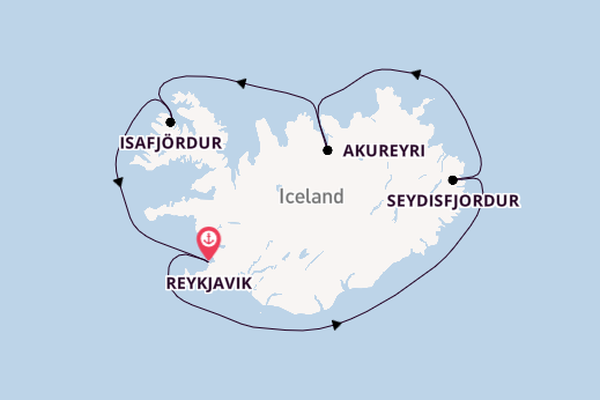
Iceland’s Natural Wonders: Reykjavik & Beyond
- All Included - FREE Drinks and WiFi Worth $763 PP
- Inlcudes 3 Night Reykjavik Hotel Stay
- Experience the Natural Sights and Beauty of Iceland

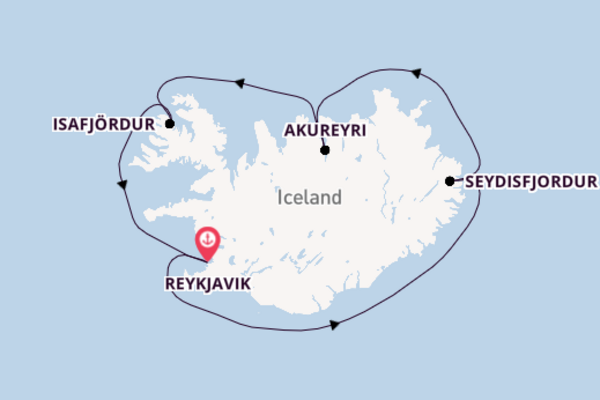
Arctic from Reykjavik, Iceland with the Celebrity Silhouette
- Experience innovative dining with iPad menus at Qsine
- Play Sous chef to a celebrity chef at the Lawn Club Grill
- Tax and duty-free shopping at top designer brands

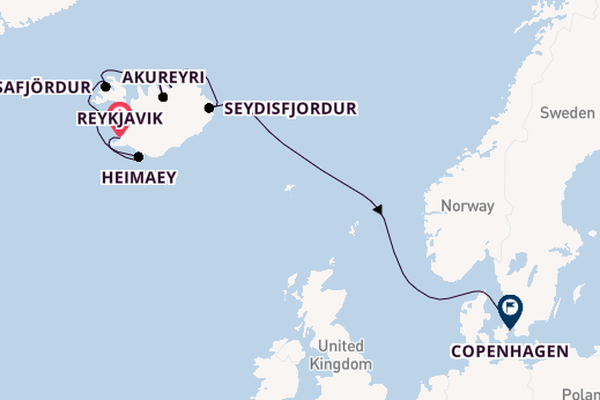
Arctic from Reykjavik, Iceland with the Azamara Quest
- Perfectly sized ships: big enough for great dining and entertainment, but small enough to feel personal and reach ports big ships can’t
- The AzAmazing Evenings totally live up to the name: experience top-notch entertainment in the most incredible settings
- It’s like slow travel, but on a cruise: late departures and overnight stays will give you plenty of time to explore

Arctic from Reykjavik, Iceland with the Celebrity Summit
- Award-winning stage shows at "54 Below"
- "Scratch DJ Academy" created by Run DMC
- "Qsine" menu created by Master Chef's James Beard
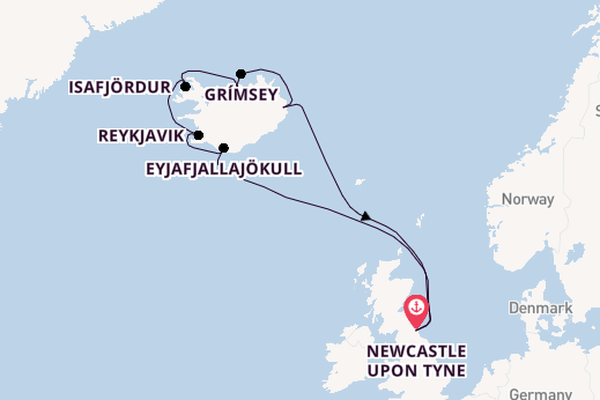
Arctic from Newcastle upon Tyne, England with the Bolette
- Traditional cruising
- A true taste of Britain
- Exemplary onboard service

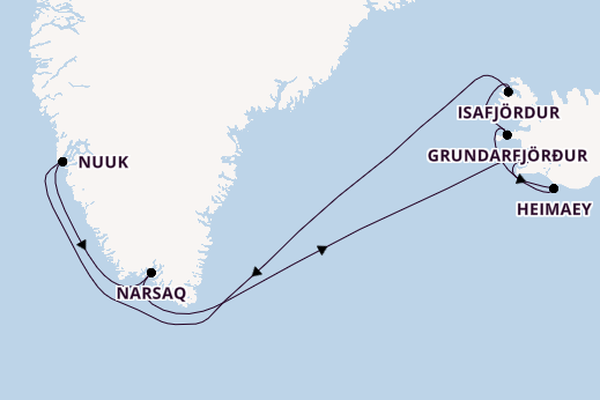
Arctic from Reykjavik, Iceland with the Marina
- Six gourmet restaurants all included — from Polo Grill and Toscana to Jacques and Red Ginger, no surcharges
- The Culinary Centre: the only cooking school at sea, with hands-on classes from professional chefs
- 800 crew members for just 1,250 guests — a near one-to-one staff ratio delivering hotel-style service

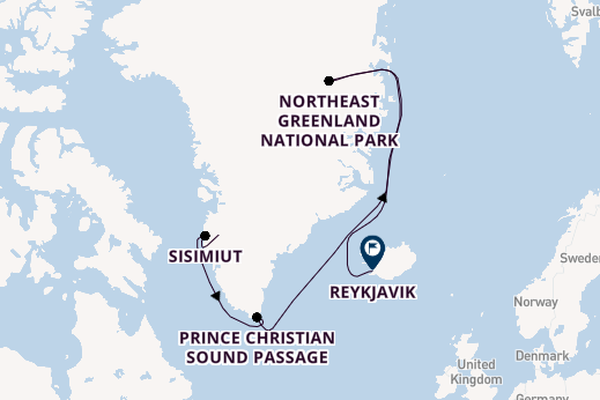
Arctic from Kangerlussuaq (Søndre Strømfjord), Greenland with the HANSEATIC spirit
- Sailing with fewer than 500 guests means relaxed luxury, peaceful calm and plenty of space to enjoy
- German-speaking luxury ship with boutique character, for travellers who value exclusivity, space and personal service
- All inclusive, nothing hidden: enjoy fine dining, carefully selected wines and personal service at no extra cost

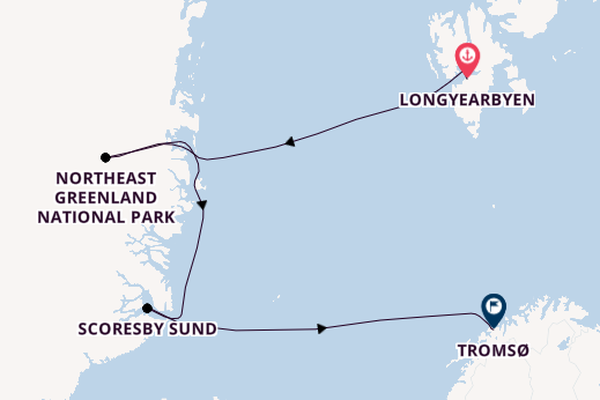
Arctic from Longyearbyen, Norway with the HANSEATIC nature
- PC6 polar ice class — the highest passenger-ship certification for the most demanding expedition cruising at sea
- 17 Zodiacs plus a boarding marina for maximum shore exploration in remote wilderness destinations
- Only 230 guests: two retractable glass observation platforms suspended above the open ocean
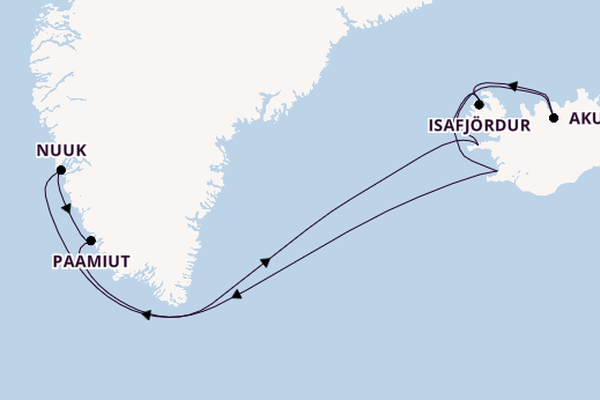
Arctic from Reykjavik, Iceland with the Vista
- Imaginative new dining concept
- Two staff members for every three guests on board
- Ultra-spacious all balcony accommodation
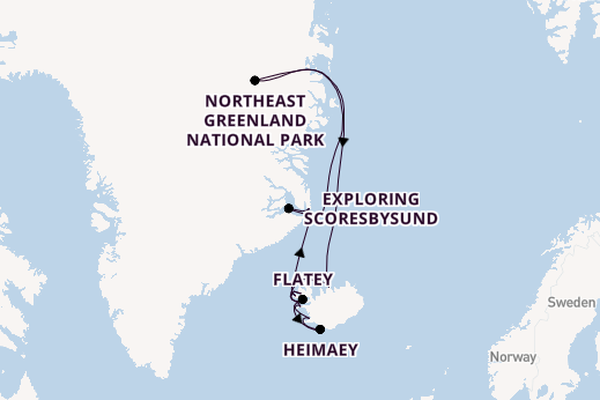
Arctic from Reykjavik, Iceland with the Seabourn Pursuit
- Seabourn invites you to all-inclusive luxury cruising at its finest, where curated journeys reach places beyond the path of larger ships
- From complimentary caviar to unlimited champagne and premium spirits, indulgence flows freely throughout the voyage
- Seabourn Conversations brings authors, explorers, and experts onboard, turning your cruise into a journey of insight and inspiration

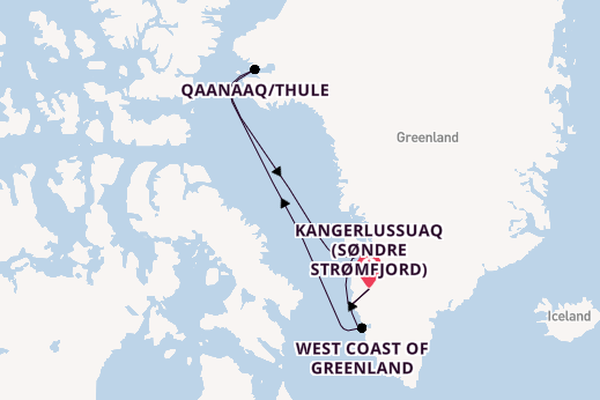
Arctic from Kangerlussuaq (Søndre Strømfjord), Greenland with the HANSEATIC inspiration
- Sailing with fewer than 500 guests means relaxed luxury, peaceful calm and plenty of space to enjoy
- German-speaking luxury ship with boutique character, for travellers who value exclusivity, space and personal service
- All inclusive, nothing hidden: enjoy fine dining, carefully selected wines and personal service at no extra cost
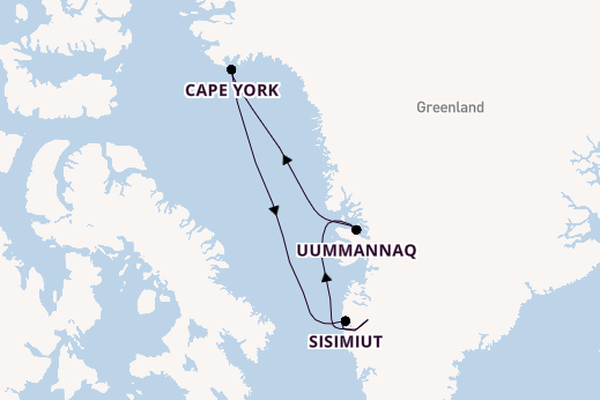
Arctic from Kangerlussuaq (Søndre Strømfjord), Greenland with the HANSEATIC inspiration
- Sailing with fewer than 500 guests means relaxed luxury, peaceful calm and plenty of space to enjoy
- German-speaking luxury ship with boutique character, for travellers who value exclusivity, space and personal service
- All inclusive, nothing hidden: enjoy fine dining, carefully selected wines and personal service at no extra cost
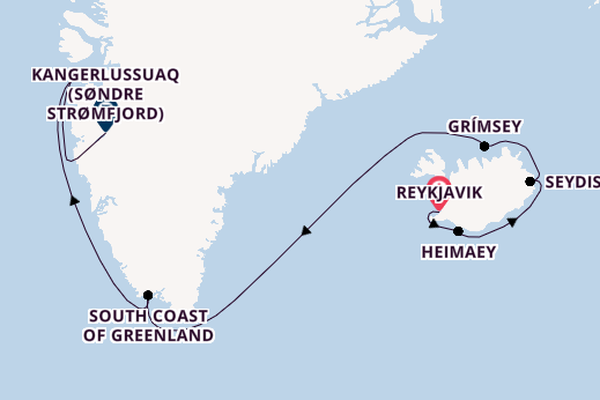
Arctic from Reykjavik, Iceland with the HANSEATIC inspiration
- Sailing with fewer than 500 guests means relaxed luxury, peaceful calm and plenty of space to enjoy
- German-speaking luxury ship with boutique character, for travellers who value exclusivity, space and personal service
- All inclusive, nothing hidden: enjoy fine dining, carefully selected wines and personal service at no extra cost
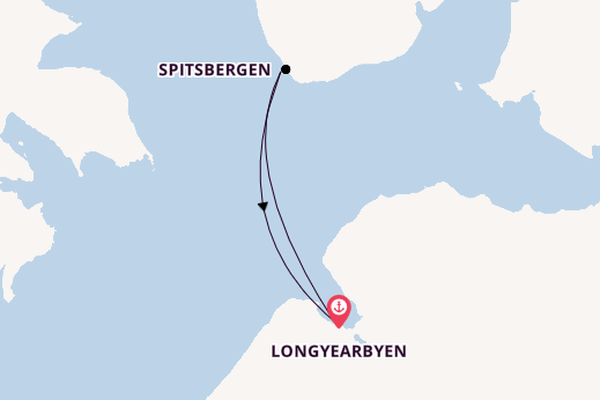
Norway from Longyearbyen, Norway with the HANSEATIC nature
- PC6 polar ice class — the highest passenger-ship certification for the most demanding expedition cruising at sea
- 17 Zodiacs plus a boarding marina for maximum shore exploration in remote wilderness destinations
- Only 230 guests: two retractable glass observation platforms suspended above the open ocean
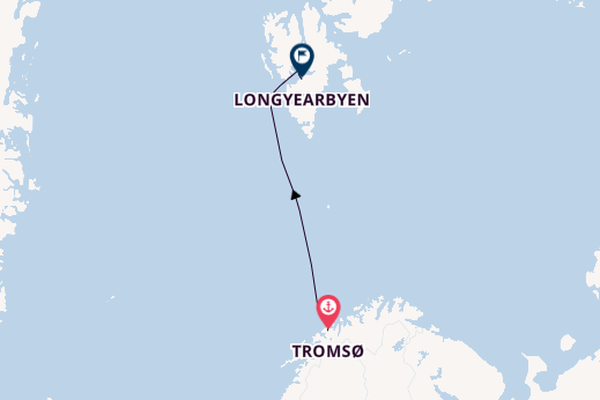
Norway from Tromsø, Norway with the HANSEATIC nature
- PC6 polar ice class — the highest passenger-ship certification for the most demanding expedition cruising at sea
- 17 Zodiacs plus a boarding marina for maximum shore exploration in remote wilderness destinations
- Only 230 guests: two retractable glass observation platforms suspended above the open ocean
Travel Tips for Arctic Cruises
Venture Into The Untamed Arctic
The Arctic isn’t just “cold and remote” on a map, it’s a living, breathing world of midnight sun, mirror-still fjords and wildlife encounters that feel almost unreal. One morning you might be sailing beneath the cliffs of Prince Christian Sound Passage, with waterfalls tumbling straight into the sea; later in the voyage you could be scanning the shoreline near Paamiut or Nuuk for whales and seabirds. Whether you call it an Arctic cruise or a bucket-list expedition-style escape, the main appeal is the same: huge landscapes, clean air and ports that feel like the edge of the world.
Top Harbours in the Arctic
Arctic ports aren’t about ticking off monuments. They’re about stepping into places that have learnt to thrive with the sea, snow, and seasons. Here are some of the most rewarding harbours and stops you’ll see on Arctic-style itineraries, with real, named highlights to help you plan your day ashore.
- Tromsø, Norway – Visit the Arctic Cathedral (Ishavskatedralen), take the Fjellheisen cable car up Storsteinen for sweeping views, then warm up with cinnamon buns at a café on Storgata.
- Honningsvåg, Norway – Gateway to the North Cape. Many excursions head to Nordkapphallen, where you can stand by the famous globe monument and look out across the Barents Sea.
- Alta, Norway – Known for its UNESCO-listed Alta rock carvings. If you’ve time, pop into the Northern Lights Cathedral (Nordlyskatedralen) with its striking spiral design.
- Longyearbyen – A true High Arctic stop. Visit the Svalbard Museum and the North Pole Expedition Museum, then take a guided trip towards Adventfjorden for Arctic scenery and wildlife spotting.
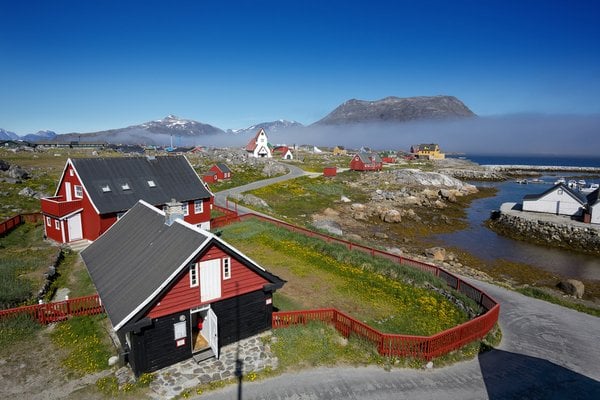
- Nuuk, Greenland – Browse Greenlandic design at the Nuuk Art Museum, then head to the National Museum to see the famous Qilakitsoq mummies. For views, walk the waterfront near the Sermitsiaq backdrop.
- Qaqortoq, Greenland – Look for the “Stone & Man” carvings dotted around town, visit the Qaqortoq Museum, and take a short walk to Lake Tasersuaq for calm scenery and fresh air.
- Nanortalik, Greenland – A beautiful harbour framed by peaks. The local open-air museum has traditional turf houses, and boat trips often weave between icebergs offshore.
- Paamiut, Greenland – Quiet and charming, with the pastel-coloured church (Frelserskirken) and a relaxed harbour walk where you can watch local boats come and go.
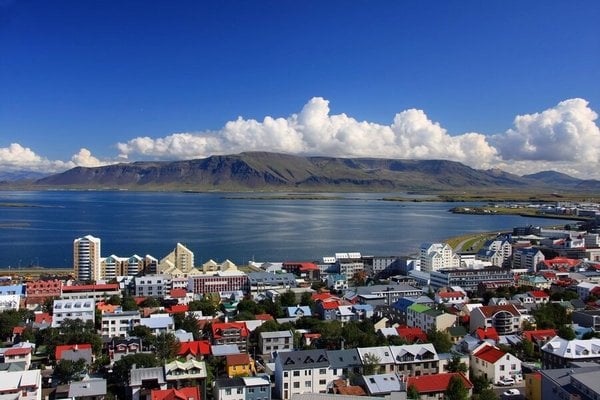
- Reykjavik, Iceland – Hit Hallgrímskirkja for skyline views, wander Laugavegur for shops, then choose your adventure: the Blue Lagoon, the Golden Circle, or a whale-watching trip from the old harbour.
- Húsavík, Iceland – Often called Iceland’s whale-watching capital. Pair a boat trip with a soak at GeoSea geothermal baths above Skjálfandi Bay.
Top Attractions and Activities in the Arctic
Svalbard’s Ilulissat Glacier Front (via expedition routes) – Witness towering ice cliffs calving into icy waters and spot seals resting on floating pack ice.
Ny-Ålesund Research Station, Spitsbergen – Visit one of the world’s northernmost settlements and see Roald Amundsen’s historic airship mast.
North Cape (Nordkapp), Norway – Stand on the dramatic cliff plateau overlooking the Barents Sea beneath the iconic globe monument.
Disko Bay, Greenland – Sail among enormous icebergs drifting from the Sermeq Kujalleq glacier.
Arctic Wildlife Safaris – Look for polar bears in Svalbard, walruses on sea ice, and Arctic foxes along tundra shores.
Midnight Sun & Northern Lights Viewing – Experience 24-hour daylight in summer or aurora borealis displays on late-season voyages.
Arctic cruises deliver raw wilderness, vast glaciers and rare wildlife encounters in one of the planet’s most remote environments.
Customs & Culture in Arctic
Indigenous Heritage in the Arctic – In regions like Greenland, Inuit traditions influence local art, storytelling and hunting history.
Extreme Weather Culture – Arctic communities are built around practicality, with locals valuing warm layers, preparedness and resilience.
Wildlife Respect – On excursions, strict rules apply around polar bears, walrus colonies and nesting seabirds.
Remote Community Etiquette – Small Arctic towns often appreciate quiet, respectful tourism and support of local crafts rather than mass-produced souvenirs.
Seasonal Expectations & Weather
Early Season (May to June) – The Arctic cruising window opens with crisp, bright conditions and lingering sea ice. Expect daytime temperatures around 0–8°C in Svalbard and northern Greenland, with colder windchill on deck. Seas can be surprisingly calm in fjords, but open-water crossings may feel sharp and raw. Wildlife sightings are strong in June, particularly walrus haul-outs and seabird cliffs.
Peak Summer (July to August) – This is the warmest and most accessible period, typically 4–12°C, with 24-hour daylight in many regions. Ice retreats further, allowing deeper exploration. Fog is common around Greenland’s coast, and sudden cold rain can roll in even on “sunny” days. Seas are often manageable, though swells may build quickly in exposed areas.
Late Season (September) – Temperatures drop back towards 0–6°C and daylight decreases rapidly. This is when you may catch early aurora activity in parts of the Arctic, but conditions become less predictable and rougher seas are more likely.
Seasonal Events – Expect fewer “holiday crowds” here, but Norwegian summer school holidays (late June–mid August) can affect demand for Svalbard sailings.
Alternative Regions to Consider
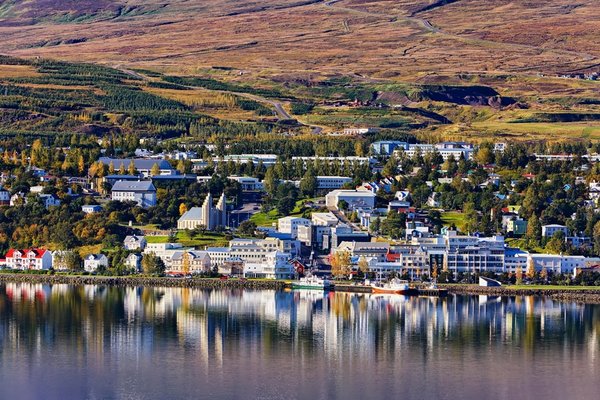
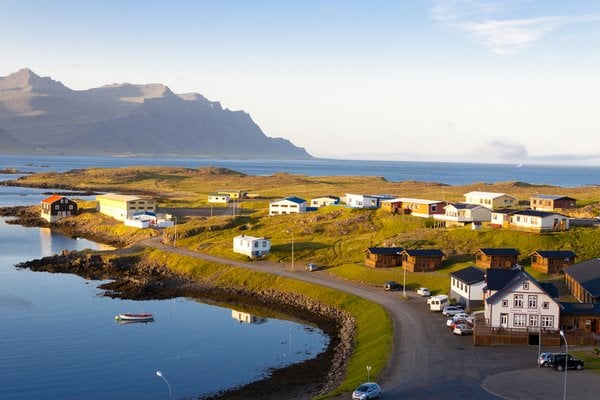
Iceland – If Arctic cruising tempts you for raw landscapes but you want easier logistics, Iceland provides glaciers, lava fields and ports like Akureyri for whale watching. It’s a softer introduction to northern exploration without committing to extreme remoteness.
Greenland – For icebergs and isolated settlements without going fully polar expedition, Greenland sailings include Nuuk’s colourful harbour and dramatic fjords filled with floating ice. It’s perfect if scenery is your priority.
Norwegian Fjords (Above the Arctic Circle) – Sailings to Tromsø, Alta or the Lofoten Islands deliver rugged peaks and, in season, Northern Lights sightings. It’s an excellent compromise between comfort and adventure.
Alaska – If wildlife is the draw, Alaska offers glacier viewing, bear sightings and dramatic coastal cruising with strong infrastructure and guided excursions.
Top Arctic Cruise Options & Alternatives
Norway sailings and deal-hunting
- Norway Cruise Deals – Compare routes that climb towards the Arctic Circle with plenty of fjord scenery days.
- Norway Cruises from Southampton – A convenient choice if you want to sail from the UK and head north without flying.
- Norway Cruises from the UK – Handy for exploring departure options and itinerary lengths.
Norwegian fjords and northern ports
- Bergen, Norway – Ride the Fløibanen funicular, then explore Bryggen’s historic wharf and the fish market.
- Geiranger, Norway – A fjord classic with views of Seven Sisters waterfall and Eagle Road switchbacks.
- Tromsø, Norway – Arctic Cathedral, Fjellheisen viewpoints, and a brilliant base for northern adventures.
- Honningsvåg, Norway – The jumping-off point for North Cape’s famous clifftop panorama.
Greenland and Arctic passages
- Greenland – Explore iceberg-strewn coastlines and towns painted in bright Arctic colours.
- Nuuk, Greenland – Museums, harbour walks and Sermitsiaq views.
- Qaqortoq, Greenland – Carved stone artworks and an easy-going harbour town feel.
- Prince Christian Sound Passage, Greenland – A scenic sail between steep peaks and waterfalls.
Iceland add-ons
- Reykjavik, Iceland – Hallgrímskirkja, Laugavegur shopping, and day trips to the Golden Circle.
- Akureyri, Iceland – Botanical gardens and excursions to Lake Mývatn’s geothermal landscapes.
- Húsavík, Iceland – Whale watching and GeoSea baths with views over Skjálfandi Bay.
Alternative regions
- Alaska Cruises – Glaciers, wildlife, and iconic waterways like the Inside Passage.
- Iceland Cruises – Waterfalls, black-sand beaches, and geothermal landscapes around the ring of the island.
- Greenland – If icebergs are your obsession, Greenland-focused sailings take it up a notch.
- Norway – Fjords, viewpoints, and ports like Bergen, Ålesund and Stavanger.
FAQs about Arctic Cruises
What’s the difference between an Arctic cruise and an expedition cruise?
Many mainstream itineraries are “Arctic-style” routes, such as northern Norway plus Iceland or Greenland, sailed on classic cruise ships. Expedition cruises tend to use smaller ships and focus on deeper exploration with more guided activities. Either way, Arctic cruises are built around scenery, remote ports and wildlife.
Do Arctic Circle cruises suit first-time cruisers?
Yes, especially if you like cool-weather destinations and a relaxed pace. Choose an itinerary with a mix of sea days and ports like Tromsø, Reykjavik and Nuuk, and you’ll get a brilliant introduction without feeling rushed.
What should I pack?
Think layers: waterproof jacket, warm mid-layer, gloves, and sturdy shoes for wet quays and gravel paths. Binoculars are worth bringing for spotting whales, seabirds, and distant icebergs from the deck.
Will I see the Northern Lights?
It depends on timing, weather and solar activity. Late summer into autumn offers darker skies, and northern ports such as Alta and Tromsø are well placed when conditions line up.
Do Arctic cruises include polar bears?
Only in certain regions — Svalbard is the most famous for polar bear sightings, but they are never guaranteed.
What’s the best month for an Arctic cruise?
June to August is peak season due to accessible ice conditions and longer daylight.
Are Arctic cruises cold even in summer?
Yes — temperatures can still be single digits, especially on sea days and zodiac excursions.
Do Arctic cruises require expedition ships?
Many do — especially for Svalbard and Greenland, where zodiac landings are common.
What should you pack for the Arctic?
Thermal layers, waterproof outerwear, gloves, a warm hat, and binoculars for wildlife spotting.
Feeling adventurous about an Arctic expedition? Call our Cruise Specialists and let us help you find your perfect Arctic cruise.
Expert Tips for Cruising the Arctic Ocean
On Arctic cruises, we recommend layering rather than relying on heavy outerwear, as ship interiors remain warm despite cold outdoor conditions. We also suggest choosing voyages with smaller guest numbers, allowing greater flexibility when weather windows are tight.
 +44
+44