


Canary Islands Cruises
Canary Islands cruises offer year-round sunshine, volcanic landscapes and relaxed island hopping, perfect for popular no-fly UK escapes.
Our Best Canary Islands Deals
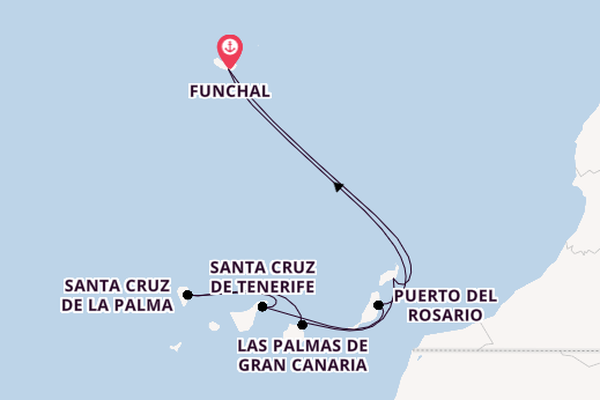
Canary Islands from Funchal, Madeira, Portugal with the MSC Fantasia
- The original Fantasia-class ship (2008) — MSC Fantasia pioneered the Swarovski crystal grand staircase that became a signature of MSC's Italian design language
- An F1 racing simulator, 4D cinema, and the Avanguardia Theatre with futuristic shows sit alongside five swimming pools and the Top 18 Exclusive Solarium
- MSC Yacht Club delivers a ship-within-a-ship retreat with 24-hour butler service, a private pool terrace, and exclusive dining at L'Etoile restaurant
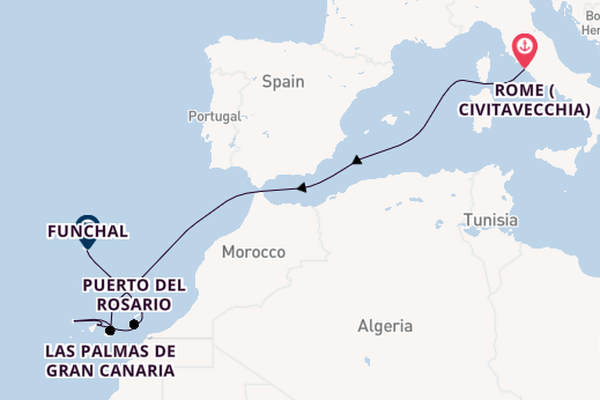
Sunset Islands Cruise: Rome, Canaries & Madeira With Stay
- Includes A 3 Night Hotel Stay In Rome With It’s Timeless History, Iconic Ruins, Art, & Authentic Regional Food
- Add The All Inclusive Premium Extra Drinks Package From Only £28pp Per Night
- Five Iconic Atlantic Islands On One voyage-Rome To The Canaries & Madeira-Featuring Dramatic Volcanoes, Vibrant Cultures, & Endless Ocean Sunsets

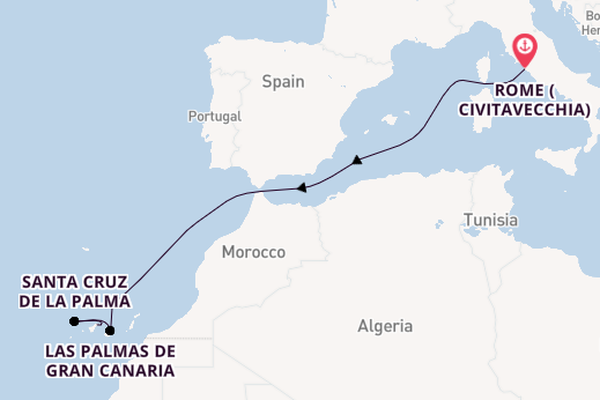
Canary Islands from Rome (Civitavecchia), Italy with the MSC Fantasia
- The original Fantasia-class ship (2008) — MSC Fantasia pioneered the Swarovski crystal grand staircase that became a signature of MSC's Italian design language
- An F1 racing simulator, 4D cinema, and the Avanguardia Theatre with futuristic shows sit alongside five swimming pools and the Top 18 Exclusive Solarium
- MSC Yacht Club delivers a ship-within-a-ship retreat with 24-hour butler service, a private pool terrace, and exclusive dining at L'Etoile restaurant
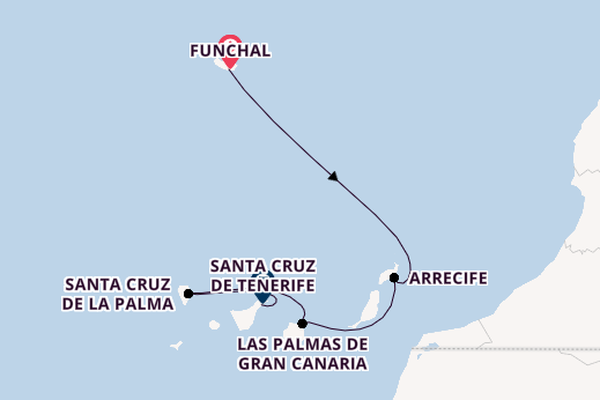
Canary Islands from Funchal, Madeira, Portugal with the MSC Fantasia
- The original Fantasia-class ship (2008) — MSC Fantasia pioneered the Swarovski crystal grand staircase that became a signature of MSC's Italian design language
- An F1 racing simulator, 4D cinema, and the Avanguardia Theatre with futuristic shows sit alongside five swimming pools and the Top 18 Exclusive Solarium
- MSC Yacht Club delivers a ship-within-a-ship retreat with 24-hour butler service, a private pool terrace, and exclusive dining at L'Etoile restaurant
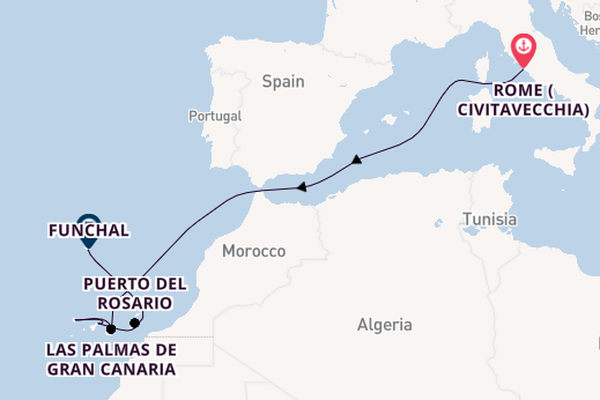
Canary Islands from Rome (Civitavecchia), Italy with the MSC Fantasia
- The original Fantasia-class ship (2008) — MSC Fantasia pioneered the Swarovski crystal grand staircase that became a signature of MSC's Italian design language
- An F1 racing simulator, 4D cinema, and the Avanguardia Theatre with futuristic shows sit alongside five swimming pools and the Top 18 Exclusive Solarium
- MSC Yacht Club delivers a ship-within-a-ship retreat with 24-hour butler service, a private pool terrace, and exclusive dining at L'Etoile restaurant
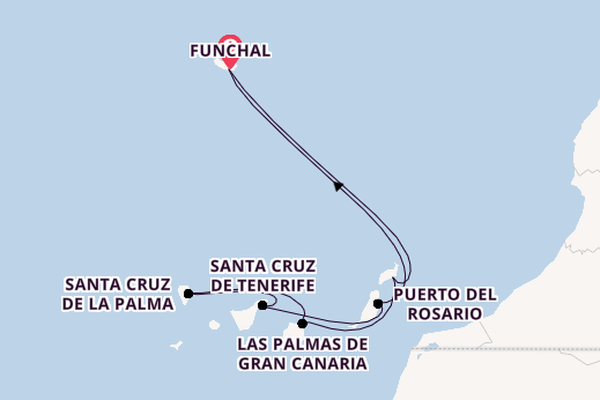
Canary Islands from Funchal, Madeira, Portugal with the MSC Fantasia
- The original Fantasia-class ship (2008) — MSC Fantasia pioneered the Swarovski crystal grand staircase that became a signature of MSC's Italian design language
- An F1 racing simulator, 4D cinema, and the Avanguardia Theatre with futuristic shows sit alongside five swimming pools and the Top 18 Exclusive Solarium
- MSC Yacht Club delivers a ship-within-a-ship retreat with 24-hour butler service, a private pool terrace, and exclusive dining at L'Etoile restaurant
Sunset Islands Cruise: Rome, Canaries & Madeira
- Includes A Pre Cruise Hotel Stay In Rome With It’s Timeless History, Iconic Ruins, Art, & Authentic Regional Food (With The Option To Extend)
- Add The All Inclusive Premium Extra Drinks Package From Only £28pp Per Night
- Five Iconic Atlantic Islands On One voyage-Rome To The Canaries & Madeira-Featuring Dramatic Volcanoes, Vibrant Cultures, & Endless Ocean Sunsets
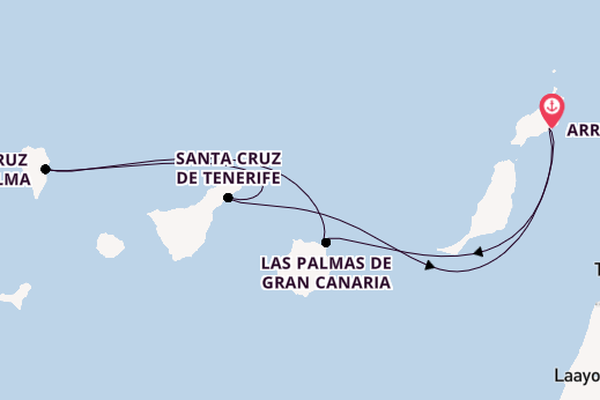
Canary Islands from Arrecife, Lanzarote, Spain with the MSC Fantasia
- The original Fantasia-class ship (2008) — MSC Fantasia pioneered the Swarovski crystal grand staircase that became a signature of MSC's Italian design language
- An F1 racing simulator, 4D cinema, and the Avanguardia Theatre with futuristic shows sit alongside five swimming pools and the Top 18 Exclusive Solarium
- MSC Yacht Club delivers a ship-within-a-ship retreat with 24-hour butler service, a private pool terrace, and exclusive dining at L'Etoile restaurant
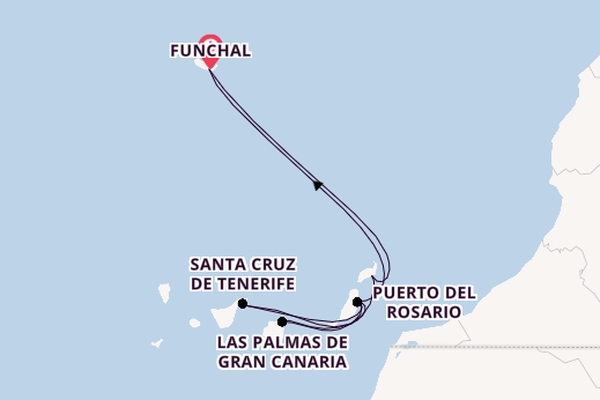
Canary Islands from Funchal, Madeira, Portugal with the MSC Fantasia
- The original Fantasia-class ship (2008) — MSC Fantasia pioneered the Swarovski crystal grand staircase that became a signature of MSC's Italian design language
- An F1 racing simulator, 4D cinema, and the Avanguardia Theatre with futuristic shows sit alongside five swimming pools and the Top 18 Exclusive Solarium
- MSC Yacht Club delivers a ship-within-a-ship retreat with 24-hour butler service, a private pool terrace, and exclusive dining at L'Etoile restaurant
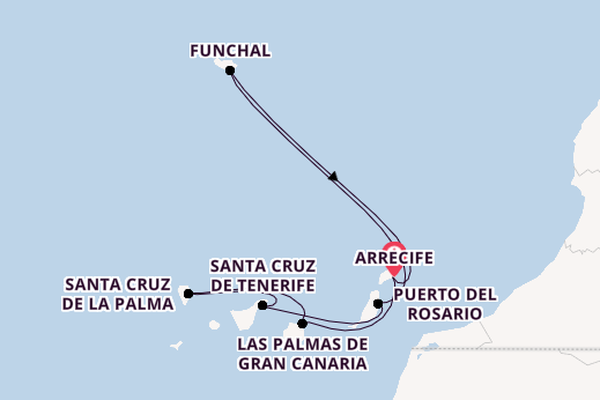
ALL INCLUSIVE: Sun-Kissed Canary Isles Voyage With Lanzarote Escape
- Includes All Onboard Gratuities
- Includes A 4 Night Hotel In Lanzarote With It’s Sunshine, Space, and Spectacular Scenery
- Includes The ALL INCLUSIVE Premium Extra Drinks Package
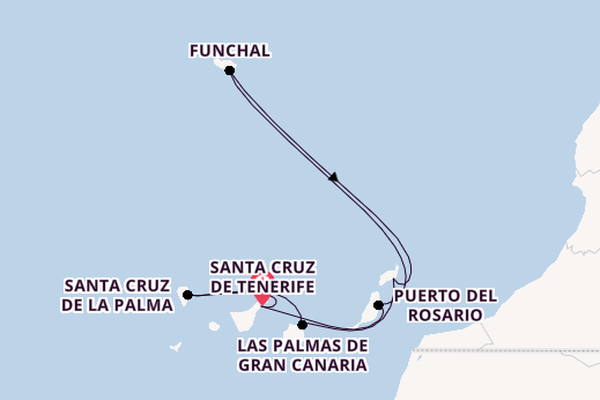
Canary Islands from Santa Cruz de Tenerife, Spain with the MSC Fantasia
- The original Fantasia-class ship (2008) — MSC Fantasia pioneered the Swarovski crystal grand staircase that became a signature of MSC's Italian design language
- An F1 racing simulator, 4D cinema, and the Avanguardia Theatre with futuristic shows sit alongside five swimming pools and the Top 18 Exclusive Solarium
- MSC Yacht Club delivers a ship-within-a-ship retreat with 24-hour butler service, a private pool terrace, and exclusive dining at L'Etoile restaurant
Sun-Kissed Canary Isles Voyage With Lanzarote Escape
- Includes All Onboard Gratuities
- Includes A 4 Night Hotel In Lanzarote With It’s Sunshine, Space, and Spectacular Scenery
- Up To 50% Discount On The All Inclusive Premium Extra Drinks Package - Call To Book To Receive These Great Discounts.
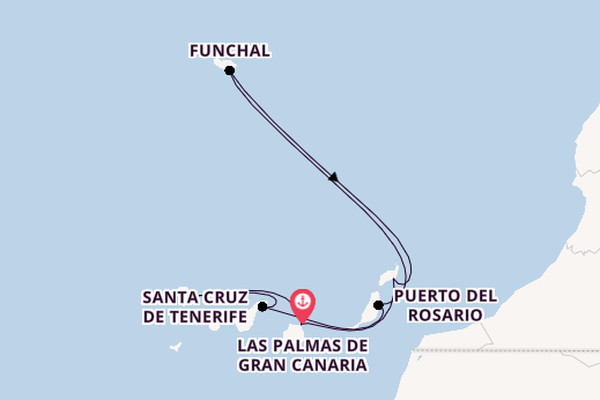
Canary Islands from Las Palmas de Gran Canaria, Canary Islands, Spain with the MSC Fantasia
- The original Fantasia-class ship (2008) — MSC Fantasia pioneered the Swarovski crystal grand staircase that became a signature of MSC's Italian design language
- An F1 racing simulator, 4D cinema, and the Avanguardia Theatre with futuristic shows sit alongside five swimming pools and the Top 18 Exclusive Solarium
- MSC Yacht Club delivers a ship-within-a-ship retreat with 24-hour butler service, a private pool terrace, and exclusive dining at L'Etoile restaurant
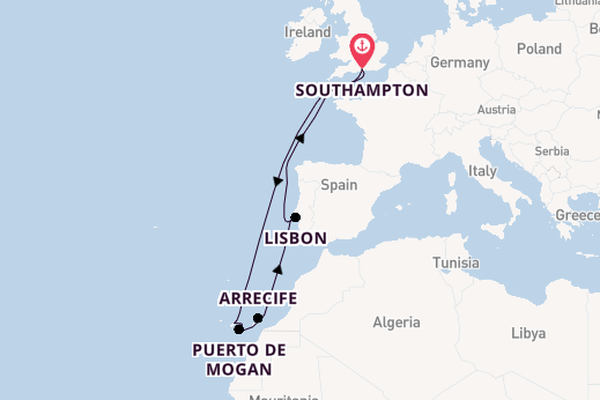
Canary Islands from Southampton, England with the Queen Elizabeth
- Art deco design runs throughout — glittering chandeliers, sweeping staircases and a grand lobby that evokes the golden age of ocean travel
- The Royal Court Theatre stages West End-calibre musicals and shows; Gala evenings fill the Queens Room ballroom with live orchestral dancing
- Tiered dining across Britannia, Princess Grill and Queen's Grill — including Cunard's famous white-gloved afternoon tea service daily

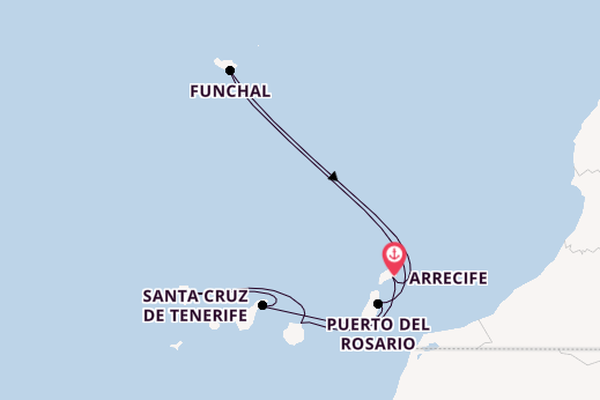
Sunshine Of The Canaries & Lanzarote Stay
- Includes A 3 Night Hotel Stay In Lanzarote With The Option To Extend
- Includes All Onboard Gratuities
- Add The All Inclusive Premium Extra Drinks Package To Your Cruise From Only £28pp Per Night
Harbours for Canary Islands

Travel Tips for Canary Islands
Island Hop The Canary Islands
If you’re craving sunshine without the long-haul flight, the Canaries are one of the best choices for a warm-weather sailing close to home. A canary islands cruise can be as simple as a week at sea with island hops, or a longer itinerary that mixes the Canaries with Madeira, mainland Spain, or Morocco. You’ll also find a brilliant range of operators offering everything from easy-going family sailings to more traditional, adults-focused voyages.
Top Harbours in the Canary Islands
One of the joys of a cruise to Canary Islands is that each stop feels completely different, even though the islands sit close together. Here are a few standout ports to look out for:
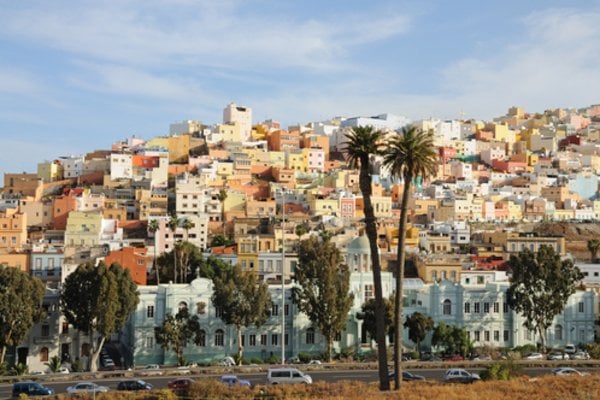
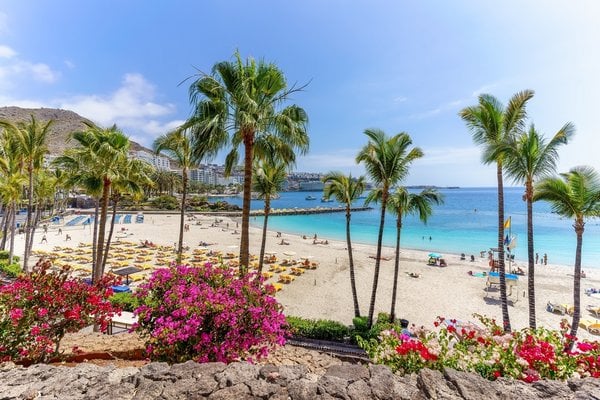
- Las Palmas de Gran Canaria – A lively city port with beach time, historic streets in Vegueta, and brilliant local food markets.
- Santa Cruz de Tenerife – A great gateway for island exploring, from waterfront strolls to day trips towards Mount Teide’s dramatic landscapes.
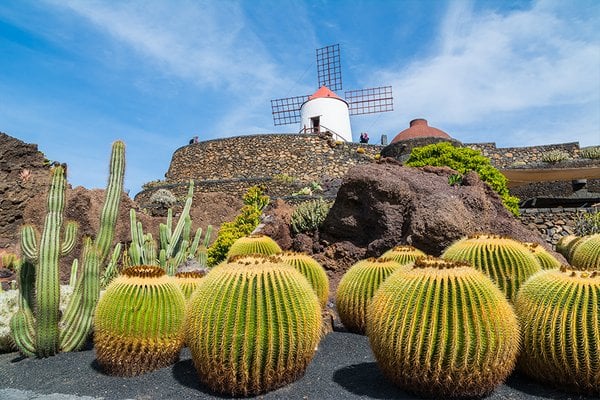
- Arrecife, Lanzarote – Known for volcanic scenery and striking viewpoints, plus easy access to Timanfaya-style terrain and local wine country.
- San Sebastián de La Gomera – A smaller, quieter-feeling stop that’s perfect for scenic walks, coastal cafés, and a slower pace.
Tip: if you’re torn between itineraries, pick one that gives you a mix of “city ports” and “scenic islands” so you get both culture and coastline.
Top Attractions and Activities in the Canary Islands
Teide National Park, Tenerife – Take the cable car up Mount Teide, Spain’s highest peak, and explore the Roques de García rock formations.
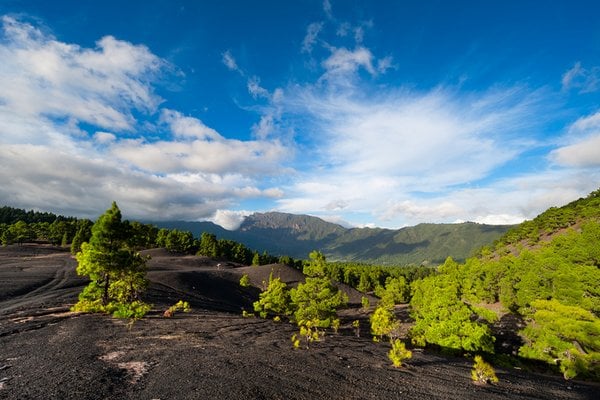
Timanfaya National Park, Lanzarote – See geothermal demonstrations at Islote de Hilario and tour the dramatic Fire Mountains landscape.
Maspalomas Dunes, Gran Canaria – Walk the golden sand dunes and visit the 19th-century Maspalomas Lighthouse.
César Manrique Foundation, Lanzarote – Tour the artist’s former lava-bubble home and gallery in Tahíche.
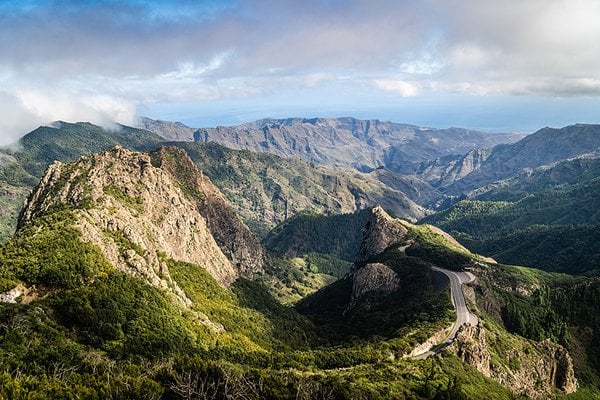
Garajonay National Park, La Gomera – Hike through ancient laurel forest trails in this UNESCO-listed reserve.
Santa Cruz de La Palma Old Town – Stroll along Calle O’Daly and admire the wooden balconies on Avenida Marítima.
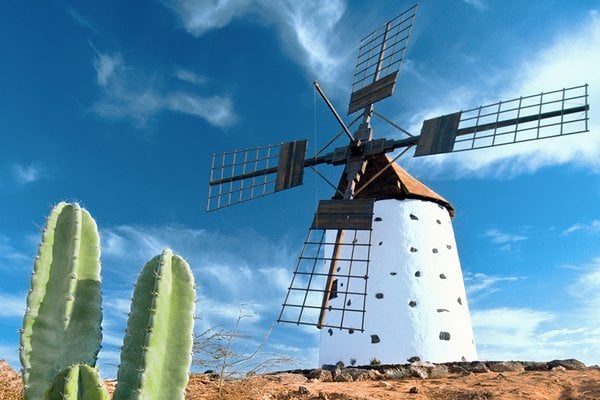
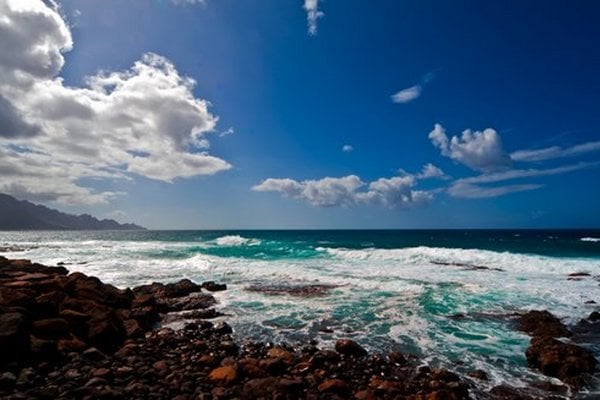
The Canary Islands combine volcanic landscapes, black-sand beaches and distinctive architecture, all easily accessible from well-connected cruise ports.
Customs & Culture in Canary Islands
Spanish Island Rhythm in the Canaries – In ports like Santa Cruz de Tenerife, expect late dining hours and a relaxed pace, with locals gathering in plazas well into the evening.
Mojo Sauces in Tenerife and Gran Canaria – Cruise visitors should try wrinkled potatoes (papas arrugadas) served with mojo rojo (spicy) and mojo verde (herby).
Carnival Traditions in Santa Cruz – Tenerife’s Carnival is one of Europe’s biggest, with extravagant costumes and street parades near the harbour.
Volcanic Wine Culture in Lanzarote – La Geria vineyards grow vines in ash pits, producing distinctive Malvasía wines worth sampling on shore.
Seasonal Expectations & Weather
Winter (December to March) – A prime winter-sun escape, with daytime temperatures averaging 19–23°C in Tenerife, Gran Canaria and Lanzarote. Seas are generally moderate, though Atlantic swells can be noticeable. Carnival season (February, especially in Santa Cruz de Tenerife) brings vibrant parades and increased visitor numbers.
Spring (April to June) – Warm and settled, 21–26°C with lower humidity and calmer waters. Easter (Semana Santa) affects local opening hours, particularly in Las Palmas.
Summer (July to September) – Hotter but rarely extreme, 26–31°C. The islands’ Atlantic breezes keep conditions comfortable. August is popular with Spanish holidaymakers.
Autumn (October to November) – 23–28°C with warm sea temperatures ideal for swimming. Occasional calima winds from the Sahara can cause hazy skies.
Alternative Regions to Consider
If the Canaries sound perfect but you’re also browsing other easy-to-reach sunshine routes, here are a few strong alternatives:
- Spain Cruises – Great for culture and coastline, with a mix of lively cities and relaxed resort-style ports.
- Mediterranean Cruises – Ideal if you want classic port-heavy itineraries with history, beaches and food in equal measure.
- Europe Cruises – A broad choice of routes, from sunshine sailings to cooler-weather city breaks.
Top Canary Islands Cruise Options
Choose Your Canary Islands Cruise Style
- Canary Islands Cruises from the UK – A simple option for travellers who want an easy start without flying.
- Canary Islands Cruises from Southampton – Ideal for UK cruisers who like a smooth, no-fly holiday from the south coast.
- Canary Islands Fly Cruises – Perfect if you want to maximise island time and keep the journey quick.
Pick Your Year (and Book Early)
- Canary Islands 2026 Cruises – A strong choice for planners who want the widest itinerary selection.
- Canary Islands 2027 Cruises – Ideal if you like to lock in future travel with the best choice of sailings.
- Canary Islands October 2026 – A sweet spot for warm weather and a relaxed sailing atmosphere.
Duration & Added Comfort
- 7 Night Canary Islands Cruises – The classic option for island-hopping without taking too much time off.
- Canary Islands Cruises All Inclusive – A great way to keep spending predictable and stress-free.
Line & Ship Highlights
- P&O Canary Islands Cruises – Popular with UK cruisers who enjoy familiar touches and easy-going sea days.
- Princess Canary Islands Cruises from Southampton – A great match if you like classic cruising with a polished onboard feel.
- Canary Islands 2026 Cruises Aboard MSC Virtuosa – A strong choice for big-ship facilities and entertainment.
- Canary Islands 2027 Cruises Aboard MSC Virtuosa – Ideal for forward planning with a feature-packed ship.
- Canary Islands Fly Cruises 2026 – Handy if you want to compare next year’s fly-cruise options.
- Canary Islands Fly Cruises 2027 – Great for early-bird dates and cabin availability.
Explore Individual Stops
- Lanzarote (Canary Islands), Spain – Volcanic landscapes, coastal views and a totally unique island feel.
- Gran Canaria, Canary Islands – A brilliant mix of city energy, beaches and scenic viewpoints.
- Las Palmas de Gran Canaria, Canary Islands, Spain – A favourite port for food, culture and easy beach access.
- San Sebastian, La Gomera, Canary Islands, Spain – A peaceful stop that’s perfect for a slower, scenic day ashore.
FAQs About Canary Islands Cruises
Is a Canary Islands cruise good for winter sun?
Yes. The islands are a go-to choice for sunshine outside peak summer, which is why cruises to Canary Islands are especially popular from autumn through spring.
Should I choose a UK departure or a fly-cruise?
If you prefer simplicity and lots of luggage allowance, a UK departure can be ideal. If you want more time in warm weather and a shorter travel day, a fly-cruise is a great shout.
Which islands should I prioritise?
For variety, aim for a mix such as Tenerife for big days out, Gran Canaria for beaches and city life, Lanzarote for volcanic scenery, and La Gomera for a quieter pace.
How long should my trip be?
A week is perfect for a first-timer. If you want a deeper island-hopping experience, look for longer itineraries that let you slow down and really settle into the rhythm of the islands.
Which Canary Islands are most common on cruise itineraries?
Tenerife, Gran Canaria, Lanzarote, Fuerteventura and La Palma are the most visited.
What’s the best month for a Canary Islands cruise?
December to March is most popular for winter sun, while April and November are quieter.
Are the Canary Islands warm enough for beach days in winter?
Often yes — temperatures usually sit around 20–24°C, though the sea can be cooler.
Which island is best for volcano landscapes?
Lanzarote is the standout, especially Timanfaya National Park and the Fire Mountains.
Do Canary Islands cruises usually include Madeira?
Many do — Funchal is a common stop, especially on winter and Atlantic itineraries.
What’s the best way to book?
If you tell Cruise1st your dates, budget and whether you want a no-fly holiday or a fly-cruise, we’ll help you narrow down the best routes, ships and cabin types for your ideal canary cruise.
Craving year-round sunshine in the Canary Islands? Call our Cruise Specialists and let us help you find your perfect Canary Islands cruise.
Expert tips for Cruising the Canary Islands
Canary Islands cruises are best explored by heading inland rather than staying near the port — islands like Tenerife and Gran Canaria have dramatically cooler climates in the mountains, which locals favour. Savvy cruisers book early-morning excursions, as trade winds often pick up after midday and can affect sea conditions between islands.
 +44
+44