


Panama Canal Cruises
Panama Canal cruises deliver an iconic engineering marvel alongside diverse Central American destinations.
Our Best Panama Canal Deals
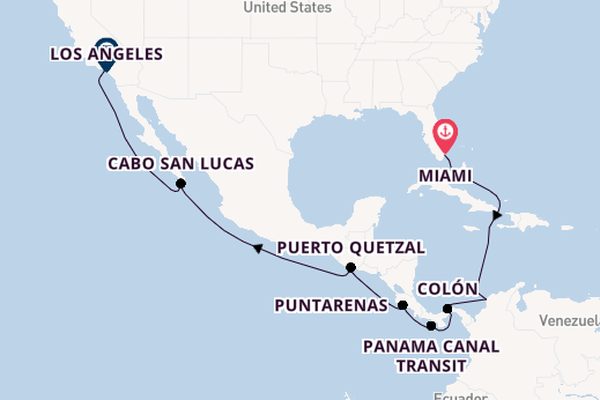
Central America from Miami, Florida with the Brilliant Lady
- Cruising, but make it stylish: Virgin nails the perfect mix of luxury and fun without all the cruise clichés
- Bye bye dining halls, buffets and set meal times: enjoy 20+ unique eateries with menus by Michelin-starred chefs - all included
- No kids. No kidding. Virgin ships are like floating rooftop clubs for anyone seeking a restorative, adult-only vacation at sea
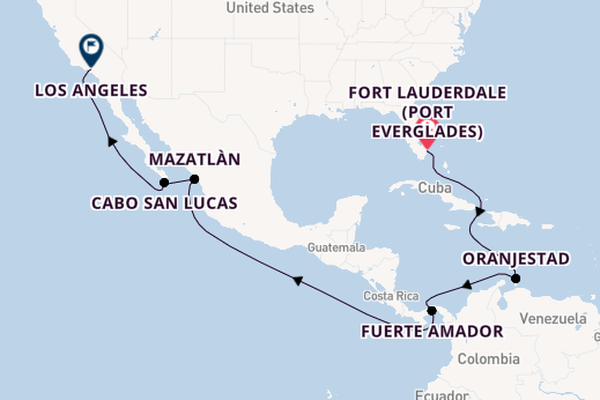
Luxury Panama Canal Ocean to Ocean Adventure
- Includes 2 night hotel stays in Miami & Los Angeles
- Add Drinks, WIFI, Gratuities & More for £50pppd
- Deposit from £199pp
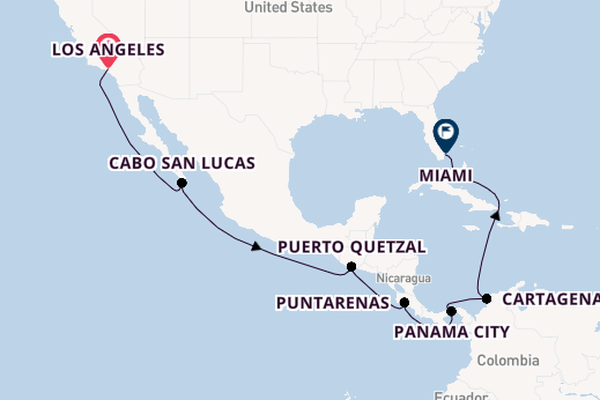
Picturesque Panama Canal and Latin American Charms
- Includes 2 Night Los Angeles, USA Hotel Stay
- Includes Brand New Savings!
- Includes 20+ Dining Venues, WiFi, Soft Drinks, Fitness Classes and More
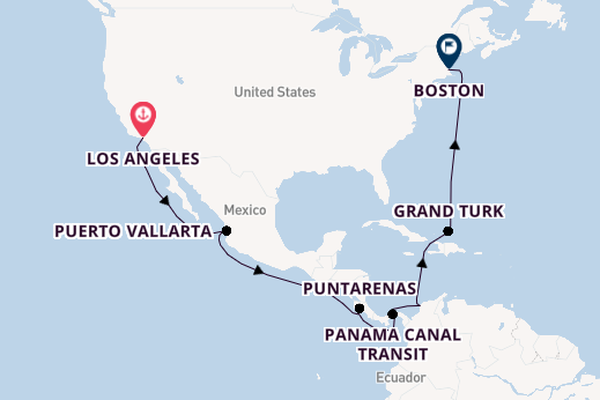
Central America from Los Angeles, California with the Celebrity Summit
- Award-winning stage shows at "54 Below"
- "Scratch DJ Academy" created by Run DMC
- "Qsine" menu created by Master Chef's James Beard

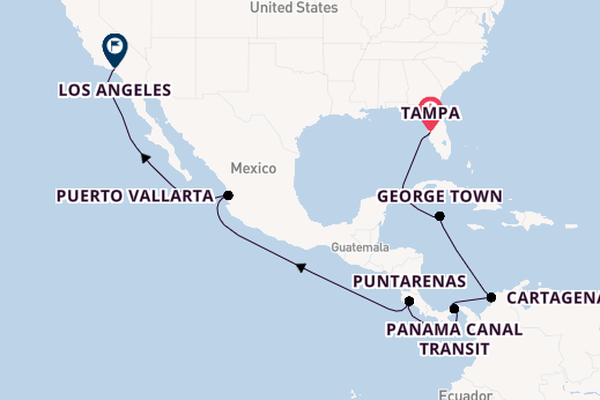
Central America from Tampa, Florida with the Celebrity Summit
- Award-winning stage shows at "54 Below"
- "Scratch DJ Academy" created by Run DMC
- "Qsine" menu created by Master Chef's James Beard
Central America from Los Angeles, California with the Brilliant Lady
- Cruising, but make it stylish: Virgin nails the perfect mix of luxury and fun without all the cruise clichés
- Bye bye dining halls, buffets and set meal times: enjoy 20+ unique eateries with menus by Michelin-starred chefs - all included
- No kids. No kidding. Virgin ships are like floating rooftop clubs for anyone seeking a restorative, adult-only vacation at sea
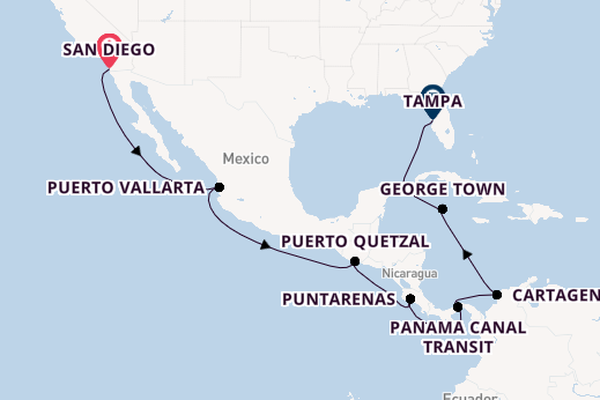
Central America from San Diego, California with the Serenade of the Seas
- Spectaular acrobatic shows performed in the Atrium
- 16 diverse bars and lounges to choose from
- Basketball court and rock climbing wall onboard
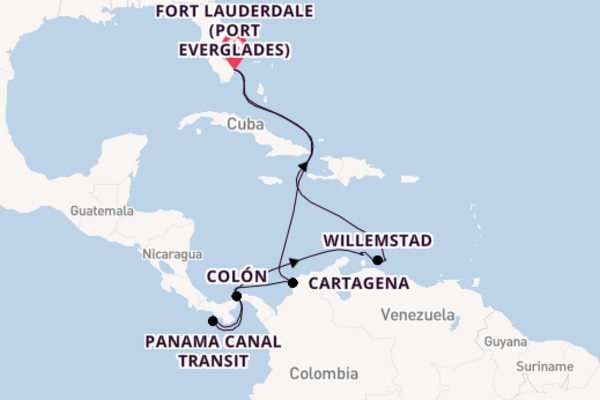
Luxury Panama Canal and Southern Caribbean
- NEW LUXURY - ALL INCLUDED DRINKS & WIFI!
- Includes 3 Night Miami Hotel Stay
- Book Now for Just £199 PP Deposit
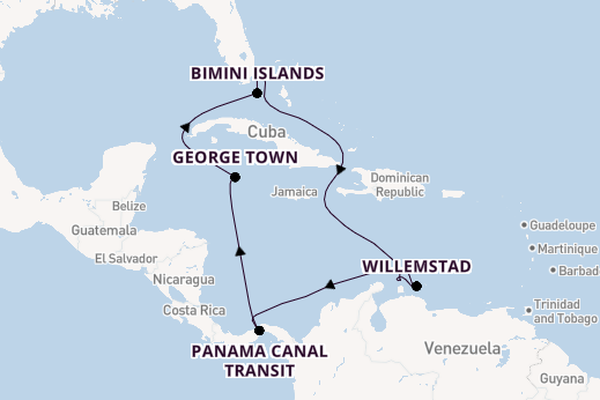
Caribbean Charms & Panama Passage with Miami Stay
- All Included - FREE Drinks and WiFi Worth $1199 PP
- Includes 3 Night Miami Hotel Stay
- Includes Partial Transit of the Panama Canal
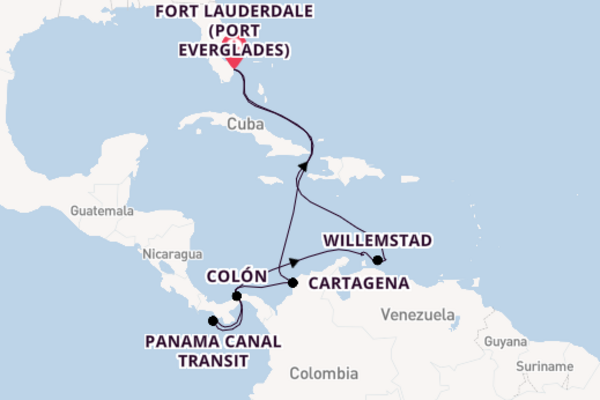
Southern Caribbean from Fort Lauderdale (Port Everglades), Florida with the Celebrity Ascent
- Fourth and most refined Edge-class ship — launched 2023 with a Forbes Travel Guide Four-Star rating from debut
- The Magic Carpet: a cantilevered platform on the ship's side that shifts from café to cocktail bar to fine-dining venue
- Le Voyage by Daniel Boulud joins 32 restaurants and bars — the broadest specialty dining line-up in Celebrity's fleet
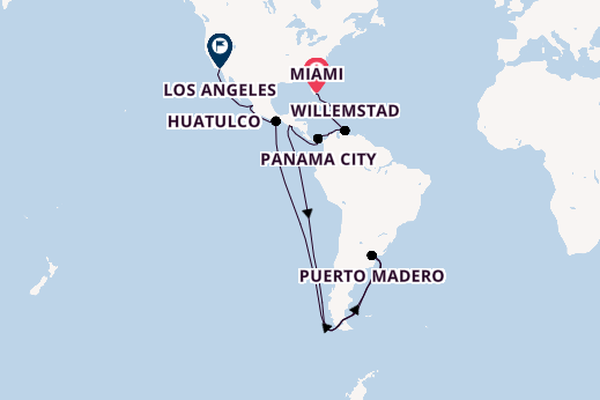
Central America from Miami, Florida with the EXPLORA III
- All Inclusive Luxury Experience: Premium Wines & Spirits and 9 restaurants
- Complimentary High Speed Wifi Throughout The Ship
- Designed to feel like your own private yacht

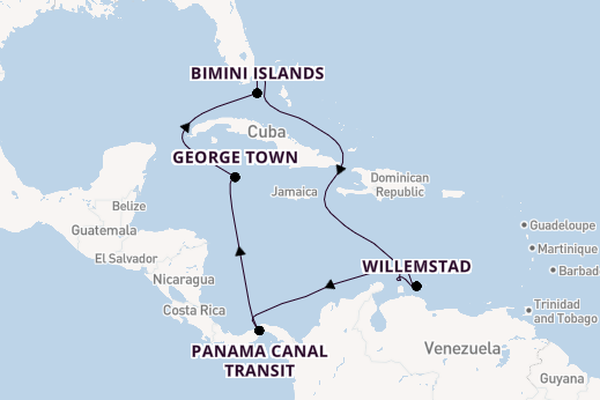
Caribbean from Fort Lauderdale (Port Everglades), Florida with the Celebrity Ascent
- Fourth and most refined Edge-class ship — launched 2023 with a Forbes Travel Guide Four-Star rating from debut
- The Magic Carpet: a cantilevered platform on the ship's side that shifts from café to cocktail bar to fine-dining venue
- Le Voyage by Daniel Boulud joins 32 restaurants and bars — the broadest specialty dining line-up in Celebrity's fleet
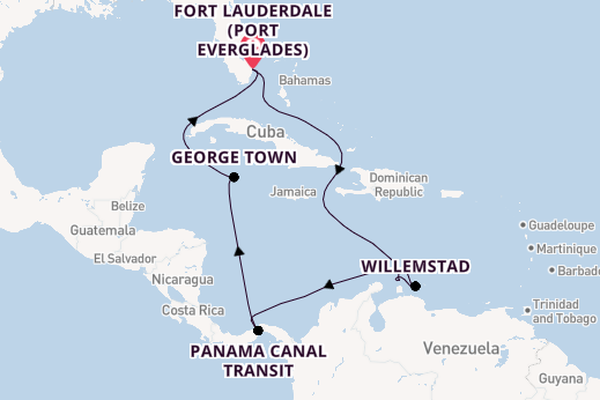
Caribbean from Fort Lauderdale (Port Everglades), Florida with the Celebrity Ascent
- Fourth and most refined Edge-class ship — launched 2023 with a Forbes Travel Guide Four-Star rating from debut
- The Magic Carpet: a cantilevered platform on the ship's side that shifts from café to cocktail bar to fine-dining venue
- Le Voyage by Daniel Boulud joins 32 restaurants and bars — the broadest specialty dining line-up in Celebrity's fleet
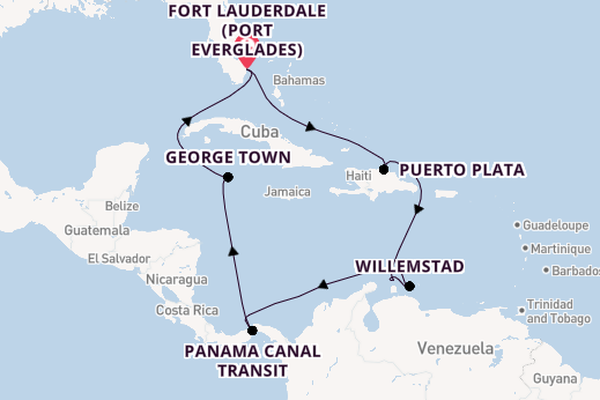
Caribbean from Fort Lauderdale (Port Everglades), Florida with the Celebrity Ascent
- Fourth and most refined Edge-class ship — launched 2023 with a Forbes Travel Guide Four-Star rating from debut
- The Magic Carpet: a cantilevered platform on the ship's side that shifts from café to cocktail bar to fine-dining venue
- Le Voyage by Daniel Boulud joins 32 restaurants and bars — the broadest specialty dining line-up in Celebrity's fleet
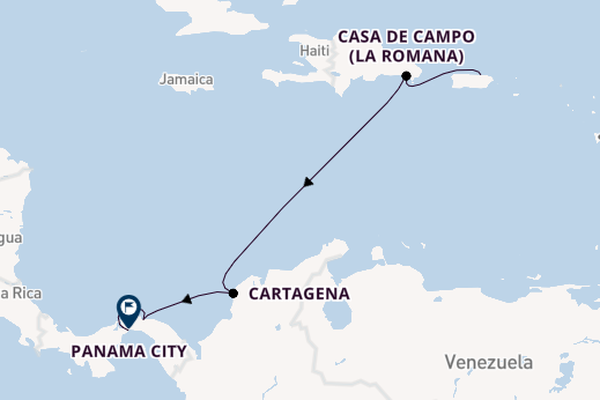
Central America from San Juan, Puerto Rico with the Evrima
- Discover stunning islands
- Relax on gorgeous beaches
- Ritz-Carlton Gold Standard service

Harbours for Panama Canal
Travel Tips for Panama Canal
Transit The Legendary Panama Canal
There’s nothing quite like a cruise through Panama Canal. One moment you’re gliding between rainforest-covered banks, the next you’re watching the locks at work as your ship rises and falls with calm precision. For many travellers, Panama Canal cruises are a true bucket-list sailing: part engineering spectacle, part wildlife-watching adventure, and part brilliant excuse to combine multiple regions in one holiday. Whether you’re planning an ocean-to-ocean voyage or choosing a shorter itinerary that features a partial transit, a Panama Canal cruise gives you an unforgettable “I was there” moment you’ll remember long after you’re home.
Nearby Harbours
One reason cruises through the Panama Canal are so popular is the variety of ports you can pair with the transit. Depending on whether you’re sailing east-to-west or west-to-east, itineraries often include a mix of Caribbean classics, Central American culture stops and South American highlights:
- Cartagena, Colombia – A brilliant port day for history lovers: city walls, colonial balconies and lively plazas that feel made for a long lunch.
- Puerto Vallarta, Mexico – Beach time, the Malecón promenade, and excellent taco stops if you want something casual and tasty.
- Oranjestad, Aruba – Pastel architecture, easy shopping and Eagle Beach for a straightforward “sun and sea” day.
- Puerto Quetzal, Guatemala – Often a gateway to Antigua’s colourful streets and volcano views.
- Cabo San Lucas, Mexico – Iconic rock formations, boat trips on the water, and a lively atmosphere for a fun port day.
Many cruises to Panama Canal routes also work beautifully as part of a longer itinerary that continues into South America, particularly if you enjoy scenic sailing days and big, destination-rich voyages.
Ports Typically Visited Before or After the Panama Canal
- Fort Lauderdale, USA – Known for its beautiful beaches and vibrant nightlife, Fort Lauderdale serves as a fantastic departure point. Visitors can explore the diverse dining scene, visit the Historic District, or take a scenic boat ride through the famous canals before setting sail for the Panama Canal.
- Cartagena, Colombia – Boasting stunning colonial architecture and a rich history, Cartagena invites exploration of its ancient city walls, charming cobblestone streets, and lively markets. Don’t miss the chance to enjoy local dishes at renowned eateries before continuing to the Canal.
- Puerto Vallarta, Mexico – This vibrant resort town is home to stunning beaches and rich artistic culture. Enjoy shopping in artisan markets, hiking in the surrounding mountains, or relaxing on the beaches before or after your Panama Canal cruise.
- Puerto Quetzal, Guatemala – Often serving as a gateway to the beautiful landscapes of Guatemala, this port city invites guests to visit stunning attractions like Lake Atitlán or the ancient site of Antigua to immerse themselves in local culture and history.
- Puerto Caldera, Costa Rica – A delightful port for nature enthusiasts, Puerto Caldera offers stunning views and excursions to explore the Costa Rican rainforest. Wildlife tours can be arranged, providing an opportunity to see sloths, toucans, and other exotic creatures before venturing into the Panama Canal.
Attractions and Activities
The transit itself is the main event, but the wider canal area (and nearby ports) is packed with experiences that turn a great itinerary into a genuinely special one. Here are some favourites to look out for when you cruise Panama Canal routes:
- Watch the locks in action – Grab a spot on deck early, order a coffee, and enjoy the slow drama of the lock chambers and the tugboats guiding ships through.
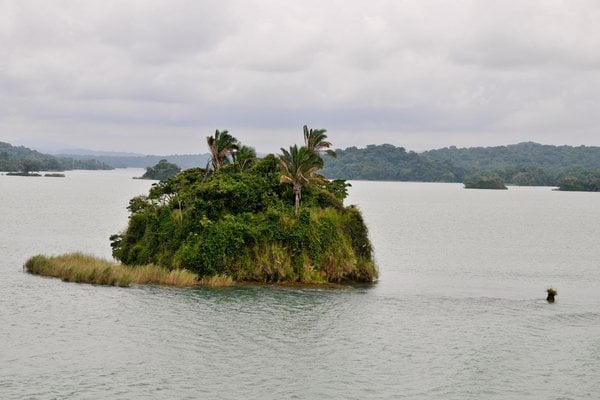
- Gatun Lake and rainforest scenery – This stretch is a highlight for nature lovers; scan the banks for herons, egrets and the occasional monkey in the trees.
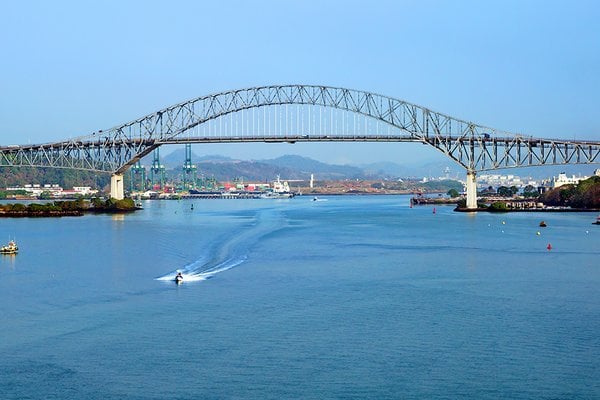
- Miraflores Locks Visitor Centre (Panama City) – If your itinerary includes time near Panama City, this is a brilliant place to understand the canal’s story and see ships passing close-up.
- Casco Viejo (Panama City) – Cobbled streets, colourful buildings, rooftop cafés and historic churches make this one of the most rewarding city strolls in the region.
- Agua Clara Locks (Colón area) – A strong option if you dock near Colón and want a different perspective on modern canal operations.
- Emberá village visit – Many travellers rate this as one of the most meaningful excursions: culture, crafts and a glimpse into daily life in the rainforest.
Insider tip: For the best photos, aim for early morning light on deck and keep a zoom lens (or binoculars) handy for wildlife along the canal banks.
Seasonal Expectations & Weather
Dry Season (December to April) – 24–32°C with lower rainfall and better visibility during canal transits. Christmas and US Spring Break increase cruise demand.
Wet Season (May to November) – Hot (26–33°C) with frequent heavy downpours, especially in September and October. Lush landscapes are at their greenest.
Humidity remains high year-round, and shore excursions can feel intense in midday heat.
Sea conditions in the Caribbean and Pacific approaches vary seasonally, with hurricane risk in late summer on the Atlantic side.
Customs & Culture in Panama
Engineering Pride in Panama – Canal history is central to national identity; visitors at Miraflores Locks often see locals sharing stories with pride.
Casco Viejo Traditions – In Panama City’s historic quarter, colonial architecture sits alongside modern café culture.
Local Dining Customs – Try sancocho soup and patacones; meals are often hearty and family-focused.
Market Etiquette – In craft markets, polite bargaining is normal, especially for molas and handmade textiles.
Alternative Regions for Your Next Adventure
If Panama Canal sounds appealing but you’re curious about other regions, consider these sensational alternatives:
- Caribbean – Famed for its breathtaking beaches and vibrant cultures across various islands. A cruise through the Caribbean offers relaxation, local flavours, and colourful traditions, making it an excellent choice for both adventure seekers and sun-lovers alike.
- Amazon River – An immersion in the world’s largest rainforest, cruising the Amazon offers opportunities to see unique wildlife and explore indigenous cultures of the region. An adventure amidst nature awaits in this stunning ecosystem.
- Central America – Explore diverse cultures, incredible landscapes, and historical sites that vary from country to country. Central America presents endless opportunities for adventure, from hiking volcanoes to touring ancient ruins.
- Western Caribbean – Prepare for stunning beaches, thrilling adventures, and charming locales. This alternative lets you experience the laid-back lifestyle of beautiful islands and the vibrant culture of coastal regions.
- Baja California, Mexico – Famous for its beautiful coastline and unique desert landscapes, sailing through this region allows visitors to discover picturesque towns, relish local cuisine, and experience the stunning wildlife both on land and in the ocean.
- Western Caribbean – Great for beach days, Mayan history and lively port cities.
- Eastern Caribbean – Classic island-hopping with plenty of choice for snorkelling, rum tastings and coastal views.
- Southern Caribbean – Often feels a bit more laid-back, with a different mix of islands and calm seas.
- South America – Ideal for travellers who want big cities, dramatic coastlines and culture-forward itineraries.
Top Panama Canal & Alternative Cruise Options
Panama Canal essentials
- Panama Canal Transit – Best if your priority is the transit itself and understanding the difference between partial and full transits.
South America extensions
- South America Cruises 2026 – Great for longer itineraries that continue beyond the canal.
- South America Cruises 2027 – Ideal for planning ahead and comparing big, destination-rich voyages.
- South America Cruises from Southampton – A strong option if you’re keen on UK departure routes.
All-inclusive Caribbean pairings
- All Inclusive Caribbean Cruises – Great for travellers who want a simpler budget with Caribbean sailing built in.
- All Inclusive Fly Caribbean 2026 Cruises – Ideal if you want to fly out and maximise your time in warm-weather ports.
- All Inclusive Fly Caribbean 2027 Cruises – A smart choice for booking ahead and comparing peak-season options.
Caribbean cruises by year and style
- Caribbean Cruises 2026 – Useful for comparing routes that may link neatly with canal itineraries.
- Caribbean Cruises 2027 – Great if you want flexibility across a wide range of future dates.
- Caribbean Cruise Deals – Handy if you’re looking for strong-value itineraries and time-limited offers.
- Caribbean Cruise and Stay – Perfect if you want a hotel stay before or after your sailing.
- Caribbean Cruise and Stay 2026 – Great for planning a full holiday package with set dates.
- Caribbean Cruise and Stay 2027 – A simple way to lock in next year’s sunshine with extra time ashore.
Fly and UK departure options
- Caribbean Fly Cruises – A popular choice for UK cruisers who want to skip extra sea days at the start.
- Caribbean Fly Cruises 2026 – Useful for comparing flight-inclusive packages by date.
- Caribbean Fly Cruises 2027 – Ideal for booking ahead and securing preferred travel times.
- Caribbean Cruises from Southampton – Perfect if you’d rather sail from a familiar UK port.
- Caribbean Cruises from the UK – A wider look at UK departure options and itineraries.
- Caribbean 2026 Cruises from Southampton – Great for narrowing down by year and departure port.
- Caribbean 2027 Cruises from Southampton – Ideal for comparing future sailings from Southampton.
Ship and cruise line favourites
- Caribbean Cruises Aboard P&O Arvia – A strong pick if you want a modern ship with plenty happening onboard.
- Caribbean Cruises Aboard P&O Britannia – Ideal for classic cruising features and a lively onboard atmosphere.
- P&O Caribbean Cruises – Helpful if you prefer a British-style onboard experience.
- Caribbean 2026 Cruises with MSC Cruises – Great for family-friendly options and Mediterranean flair.
- Caribbean Cruises with Royal Caribbean – A strong choice for entertainment, big-ship facilities and action-packed sea days.
- Caribbean Cruises with Virgin Voyages – Ideal for adults who want stylish dining and a modern onboard vibe.
- Princess Caribbean Cruises – Great for refined service and classic cruise comforts.
Caribbean timing and festive sailings
- Fly Caribbean Cruises in January – Perfect for a winter sun escape straight after the festive season.
- Fly Caribbean Cruises in February – A smart pick for half-term planning and warm-weather breaks.
- P&O Caribbean Cruises in January – Ideal if you want a British cruise line and a winter sun itinerary.
- Caribbean Christmas Cruises 2026 – Great for festive sailing with sunshine and special onboard events.
- Caribbean Christmas Cruises 2027 – Perfect for planning a Christmas that feels properly different.
- Caribbean Cruises December 2026 – Useful for comparing pre-Christmas and New Year sailing dates.
- Caribbean Cruises December 2027 – Ideal for locking in next year’s festive plans early.
- Caribbean Cruises November 2026 – A great shoulder-season option with strong value potential.
- Caribbean Cruises November 2027 – Ideal if you prefer slightly quieter sailings before peak season.
Region guides for comparing itineraries
- Western Caribbean – Useful if your route focuses on Mexico, Belize and nearby ports.
- Eastern Caribbean – Ideal for comparing island-heavy itineraries.
- Southern Caribbean – Great for travellers who like a slower pace and a slightly different island mix.
Extra itinerary combinations
- Caribbean Cruises from Miami – A popular pairing for canal routes that start or end in Florida.
- Cruises from New York to Caribbean – Ideal if you want a bigger “journey” feel with more sea days.
- Caribbean 2026 Fly Cruises – Helpful for narrowing down flight-inclusive options by year.
FAQs About Panama Canal Cruises
What’s the difference between a full transit and a partial transit?
A full transit crosses from the Atlantic to the Pacific (or the other way round). A partial transit usually includes a section of the canal and locks, but not the entire crossing.
Is the canal transit the whole day?
It often takes many hours, and on some itineraries it can feel like a full-day event. That’s part of the appeal, as there’s always something to watch from deck.
Which side is best for viewing during the transit?
Both sides have great moments, but higher decks and open areas give the best overall views. It’s worth moving around during the day for different angles.
Do I need to book a canal-related excursion?
Not necessarily. The transit itself is the star. Excursions like Miraflores or Casco Viejo are excellent if you have time in Panama City.
What should I pack for canal day?
Light layers, sun cream, insect repellent, a hat, binoculars if you have them, and a refillable water bottle for deck time.
Is a Panama Canal cruise good for first-time cruisers?
It can be, especially if you enjoy scenic sailing and varied ports. If you prefer constant beach stops, a Caribbean-focused itinerary may suit you better.
What’s the best time of year to go?
Many travellers prefer the drier months for comfortable sightseeing, but canal itineraries run across seasons. The “best” time often depends on route, ports and price.
Will I see wildlife during the transit?
You can. Birds are common, and you may spot monkeys along the banks in rainforest stretches, especially around Gatun Lake.
Are there lots of sea days?
Often yes, particularly on longer itineraries that connect regions. If you love a relaxing onboard rhythm, it’s a huge plus.
Can I combine the Panama Canal with the Caribbean?
Absolutely. Many itineraries blend the canal with island ports, which is why the Caribbean pairings above are so useful for planning.
Is the canal worth the hype?
If you like travel moments that feel genuinely unique, it’s hard to beat watching your ship work through the locks and seeing the engineering up close.
Ready to plan your Panama Canal adventure? Call Cruise1st to book, and we’ll help you choose the right itinerary, transit style (full or partial), and the best-value package for your dates.
Expert Tips for Panama Canal Cruises
Panama Canal cruises are most scenic when transited during daylight hours, so itinerary timing is crucial. Cabins with balconies provide the best views, as deck spaces can become crowded during the crossing.
 +44
+44