


Adriatic Cruises
Adriatic cruises uncover medieval walled cities, hidden coves and sparkling turquoise waters along Europe’s most beautiful coastline.
Our Best Adriatic Sea Deals
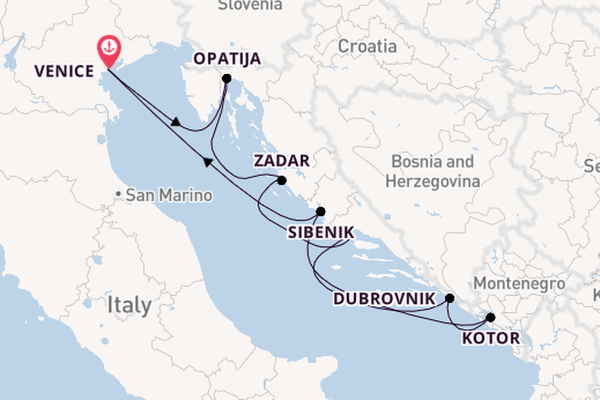
Eastern Mediterranean from Venice, Italy with the Azamara Onward
- Perfectly sized ships: big enough for great dining and entertainment, but small enough to feel personal and reach ports big ships can’t
- The AzAmazing Evenings totally live up to the name: experience top-notch entertainment in the most incredible settings
- It’s like slow travel, but on a cruise: late departures and overnight stays will give you plenty of time to explore

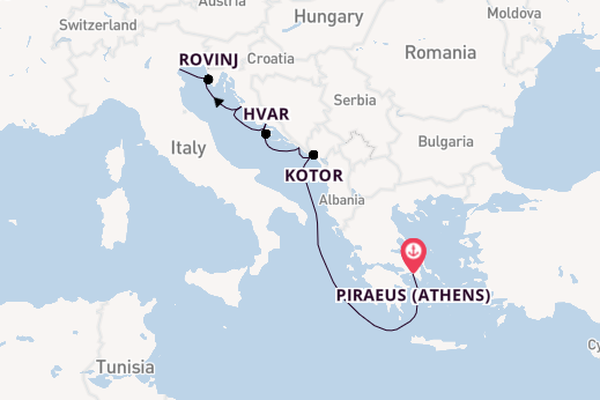
Eastern Mediterranean from Piraeus (Athens), Greece with the Azamara Onward
- Perfectly sized ships: big enough for great dining and entertainment, but small enough to feel personal and reach ports big ships can’t
- The AzAmazing Evenings totally live up to the name: experience top-notch entertainment in the most incredible settings
- It’s like slow travel, but on a cruise: late departures and overnight stays will give you plenty of time to explore
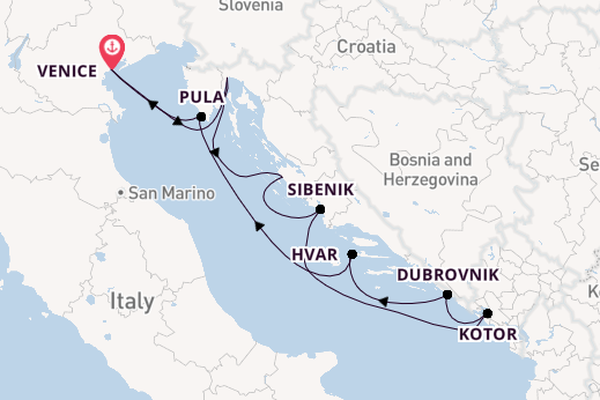
Eastern Mediterranean from Venice, Italy with the Azamara Journey
- Small ship with just 694 guests — long port stays and access to boutique harbours that larger cruise ships simply cannot reach
- Specialty restaurants Prime C and Aqualina included at no extra charge, plus a Caviar and Champagne Bar on board
- Complimentary AzAmazing Evenings: exclusive private cultural events ashore, from vineyard dinners to private concert performances
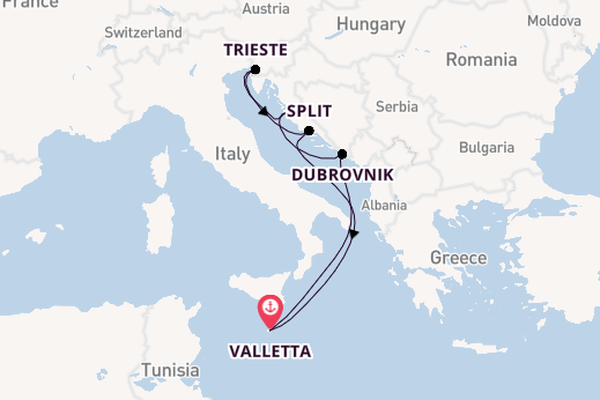
Mediterranean from Valletta, Malta with the Azura
- Refreshed bow-to-stern in 2025 — new restaurants, bars, cabin décor and corridor carpets throughout
- Specialty dining at Sindhu for modern Indian cuisine and the Glass House, curated by TV wine expert Olly Smith
- The 800-seat Playhouse theatre delivers West End-quality aerial acrobatics and shows, plus SeaScreen open-air cinema on deck
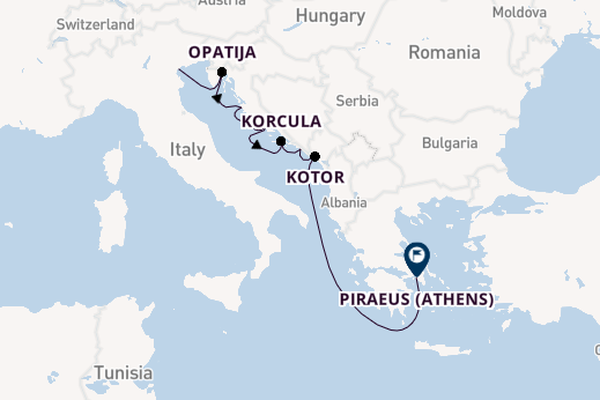
Eastern Mediterranean from Fusina (Venice) with the Azamara Onward
- Perfectly sized ships: big enough for great dining and entertainment, but small enough to feel personal and reach ports big ships can’t
- The AzAmazing Evenings totally live up to the name: experience top-notch entertainment in the most incredible settings
- It’s like slow travel, but on a cruise: late departures and overnight stays will give you plenty of time to explore
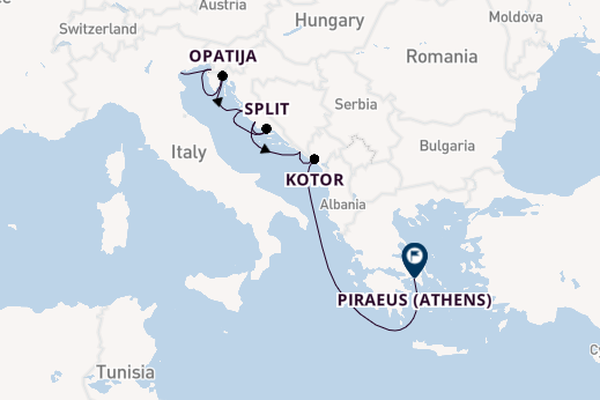
Luxury Croatia Cruise: Zadar, Split & Dubrovnik with FREE Venice Stay
- More Inclusive - Unlimited Selected Drinks & Gratuities Included
- FREE 1 night Venice hotel stay
- Book Early & Save Big - Includes Early Booking 30% Discount

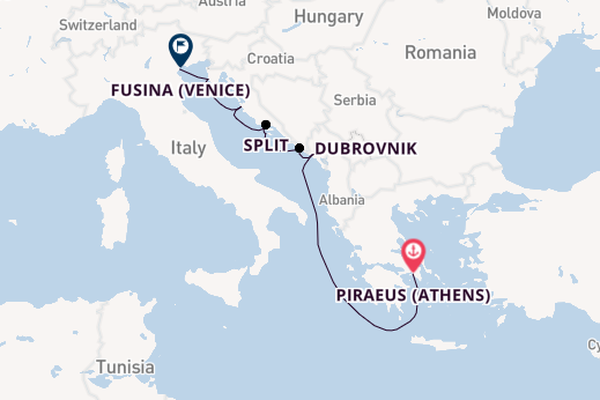
Luxury More Inclusive Croatian Discovery
- Includes 2 night Athens Hotel Stay
- Always Included - Variety of Dining Rooms, Beer, Wine & Spirits All Day & Night, Onboard Gratuities & Signature AzAmazing Evenings, Valued over $4500
- Perfectly sized ships: big enough for great dining and entertainment, but small enough to feel personal and reach ports big ships can’t
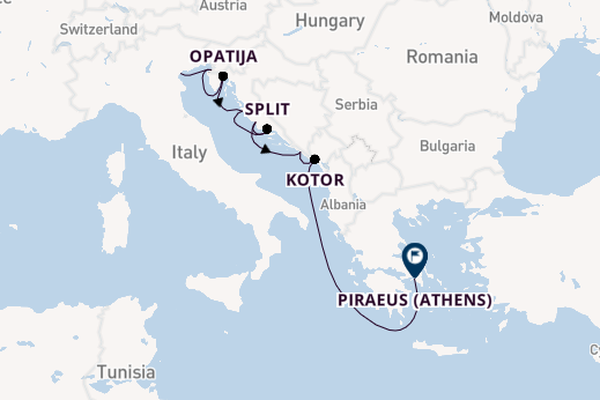
Eastern Mediterranean from Fusina (Venice) with the Azamara Journey
- Small ship with just 694 guests — long port stays and access to boutique harbours that larger cruise ships simply cannot reach
- Specialty restaurants Prime C and Aqualina included at no extra charge, plus a Caviar and Champagne Bar on board
- Complimentary AzAmazing Evenings: exclusive private cultural events ashore, from vineyard dinners to private concert performances
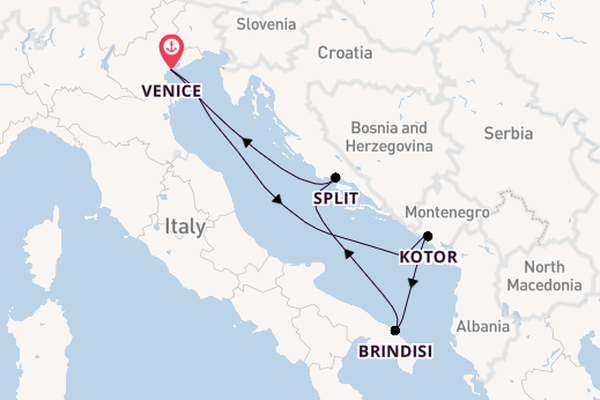
Mediterranean from Venice, Italy with the MSC Armonia
- Lirica-class ship with 94 balcony cabins, a top-deck water park with slides, Teatro La Fenice for 600 guests, and a 400 m² casino
- Teatro La Fenice seats 600 guests for Broadway-style shows; the 400 m² casino and themed deck parties round out the evenings
- Compact 65,542-GT size means access to smaller harbours that larger ships cannot reach — ideal for off-the-beaten-track ports
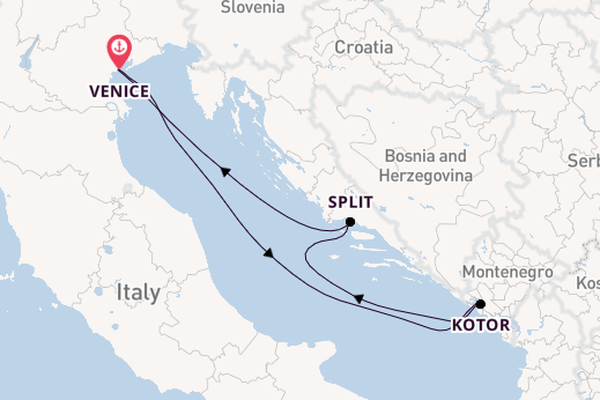
Mediterranean from Venice, Italy with the MSC Lirica
- MSC's original flagship — the very first ship MSC Cruises ever built, with the distinctive character of a historic pioneer
- Intimate atmosphere with around 1,984 guests — a more personal scale that avoids the feel of a mass-market mega-ship
- MSC Aurea Spa, Broadway-style theatre, Las Vegas casino and a family waterpark all on a single compact vessel
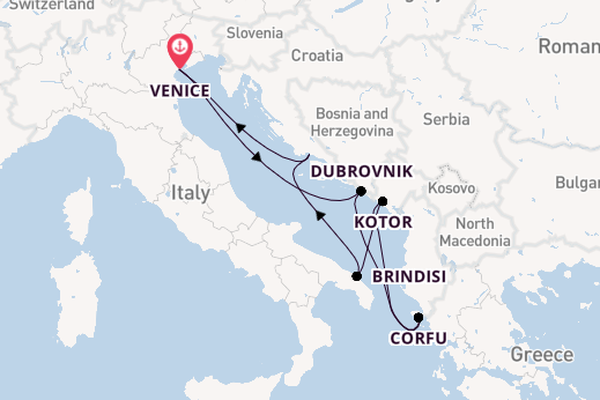
Mediterranean from Venice, Italy with the MSC Armonia
- Lirica-class ship with 94 balcony cabins, a top-deck water park with slides, Teatro La Fenice for 600 guests, and a 400 m² casino
- Teatro La Fenice seats 600 guests for Broadway-style shows; the 400 m² casino and themed deck parties round out the evenings
- Compact 65,542-GT size means access to smaller harbours that larger ships cannot reach — ideal for off-the-beaten-track ports
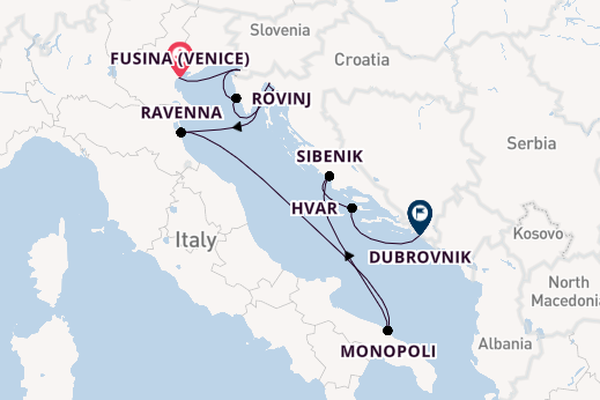
Mediterranean from Fusina (Venice) with the MS EUROPA 2
- Eight restaurants all included — from Tarragon (award-winning French cuisine) to the Sansibar, Hapag-Lloyd's cult bar at sea
- Casual luxury concept: no formal dress code required, yet Berlitz 5-Star Plus rated throughout
- All suites with private veranda, just 510 guests — one of the most spacious and exclusive ships afloat
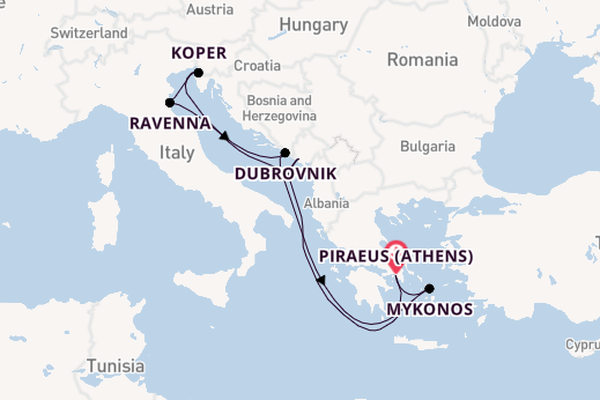
The Adriatic, Italy & Greece with Athens Stay
- Adults Only | 20+ Dining options | WiFi | Soft Drinks and More Included
- Includes 2 Night Athens Hotel Stay
- BOOK NOW FOR JUST £199 PP DEPOSIT
Eastern Mediterranean from Piraeus (Athens), Greece with the Scarlet Lady
- Cruising, but make it stylish: Virgin nails the perfect mix of luxury and fun without all the cruise clichés
- Bye bye dining halls, buffets and set meal times: enjoy 20+ unique eateries with menus by Michelin-starred chefs - all included
- No kids. No kidding. Virgin ships are like floating rooftop clubs for anyone seeking a restorative, adult-only vacation at sea
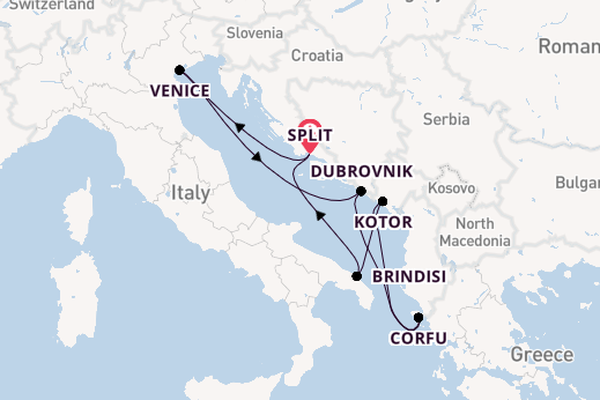
Mediterranean from Split, Croatia with the MSC Armonia
- Lirica-class ship with 94 balcony cabins, a top-deck water park with slides, Teatro La Fenice for 600 guests, and a 400 m² casino
- Teatro La Fenice seats 600 guests for Broadway-style shows; the 400 m² casino and themed deck parties round out the evenings
- Compact 65,542-GT size means access to smaller harbours that larger ships cannot reach — ideal for off-the-beaten-track ports
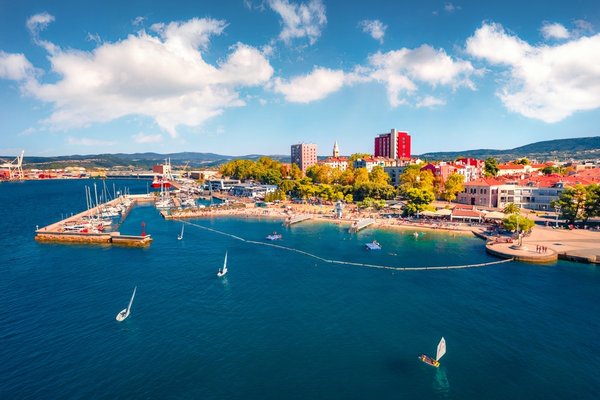
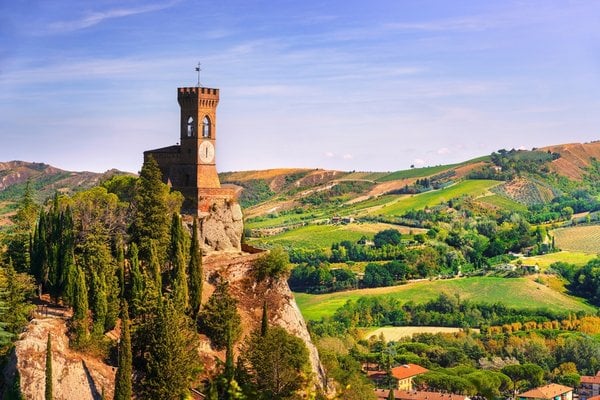
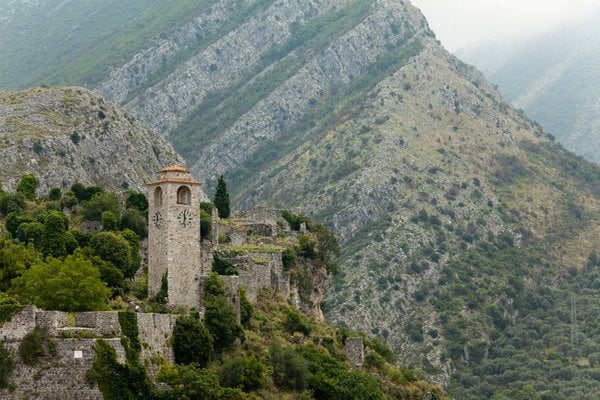
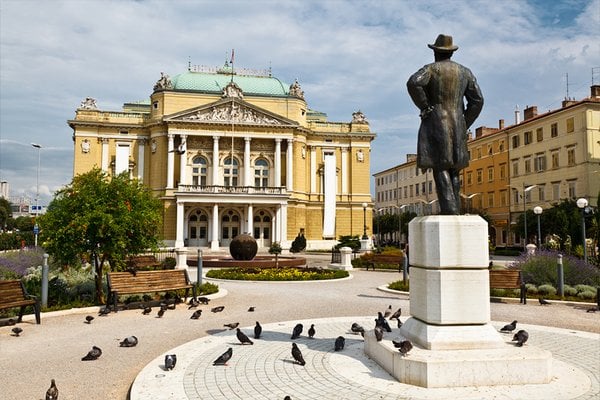
Harbours for Adriatic Sea
Travel Tips for Adriatic Sea
Discover The Beauty Of The Adriatic Sea
There’s a relaxed rhythm to an Adriatic Sea cruise: medieval cities, sparkling coves, and sunlit promenades unfold one after another. One day you’re walking Dubrovnik’s ancient walls above the terracotta rooftops of the Old Town; the next you’re exploring Split’s Diocletian’s Palace beside the waterfront Riva. An Adriatic itinerary blends iconic landmarks with quieter discoveries, from lingering over seafood in Kotor’s old quarter to watching fishing boats drift across the harbour in Hvar. It’s a journey shaped by history, scenery, and easy-going coastal charm.
Top Harbours on Adriatic Sea Cruises
- Dubrovnik, Croatia – Arrive beneath the famous city walls before exploring Stradun, Rector’s Palace and the medieval UNESCO-listed Old Town.
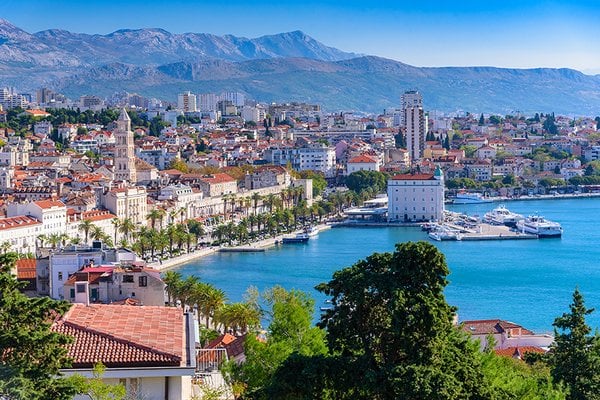
- Split, Croatia – Dock beside Diocletian’s Palace, where Roman ruins, bustling squares and the Riva promenade sit within walking distance.
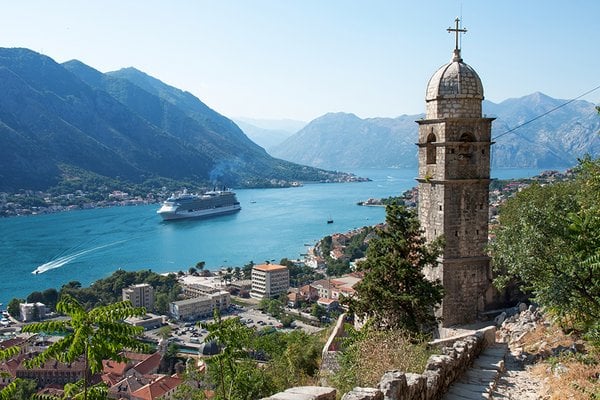
- Kotor, Montenegro – Sail through the dramatic Bay of Kotor before exploring the fortified Old Town and climbing to San Giovanni Fortress.
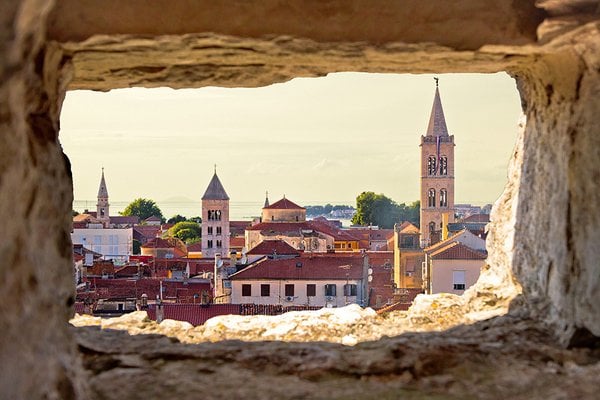
- Zadar, Croatia – Visit the Sea Organ and Greeting to the Sun installations along one of Croatia’s most distinctive waterfronts.
- Korčula, Croatia – Wander medieval alleyways and historic stone buildings linked to the story of Marco Polo.
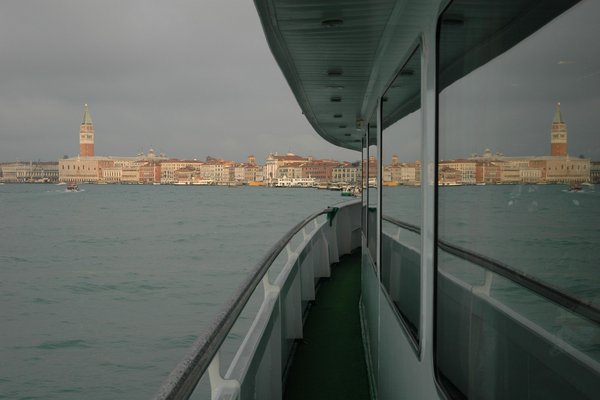
- Venice, Italy – Explore St Mark’s Square, Doge’s Palace and the canals of one of Europe’s most iconic cruise destinations.
Top Attractions and Activities in the Adriatic Sea
- Dubrovnik City Walls, Dubrovnik, Croatia – Walk the medieval fortifications from Pile Gate to Minceta Tower for sweeping Adriatic views.
- Diocletian’s Palace, Split, Croatia – Explore Roman courtyards, underground cellars, and the Peristyle in the heart of Split.
- Kotor Old Town, Kotor, Montenegro – Wander UNESCO-listed streets before climbing to San Giovanni Fortress above the Bay of Kotor.
- Sea Organ, Zadar, Croatia – Listen to music created by waves flowing through the famous waterfront installation.
- Our Lady of the Rocks, Perast, Montenegro – Take a short boat trip to visit the island church and museum.
- St Mark’s Basilica, Venice, Italy – Admire the Byzantine mosaics and treasures in Venice’s most iconic landmark.
Top Cruise Lines Offering Adriatic Sea Itineraries
- MSC Cruises has made waves in the Adriatic Sea with six of its 23 ships venturing into these beautiful waters. The MSC Armonia and MSC Sinfonia frequently sail here, featuring a relaxed atmosphere with a fabulous range of dining options and entertainment. These ships are particularly known for their family-friendly facilities – think water parks and kids’ clubs. Most MSC cruises often set off from Venice or Bari, allowing cruisers to make their way through enchanting cities directly from iconic ports.
- Princess Cruises shows off its charm with six of its 17 ships taking to the Adriatic, mainly the Sun Princess and Island Princess. These vessels are especially prized for their exceptional onboard service and delightful culinary offerings. Many Princess Cruises itineraries depart from key ports like Rome or Athens, enabling cruisers to dive into rich history and spectacular scenery right from the start of their journey.
- Cunard, though home to a smaller fleet of four ships, boasts two vessels, Queen Victoria and Queen Anne, cruising into the Adriatic Sea. What sets Cunard apart is its classic elegance and sophisticated ambiance, reminiscent of the golden age of ocean travel. Starting from ports like Rome or Trieste, cruisers can enjoy these luxurious itineraries while indulging in exquisite formal dining experiences on board.
- Holland America Line features two ships, Oosterdam and Nieuw Statendam, out of an 11-ship fleet that embrace the Adriatic Sea waves. These ships are known for their immersive cultural experiences, enabling cruisers to delve into local traditions and crafts. Cruises typically commence from Athens or Barcelona, making it easy to enjoy the blend of history and modernity that the region has to offer.
- P&O Cruises is particularly worthy to mention with four out of its seven ships. Among them, Azura and Aurora sail widely across the Adriatic. The onboard atmosphere is warm and welcoming while the entertainment caters to all ages. Departures frequently occur from Valletta or Southampton, setting the stage for some captivating explorations.
Customs & Culture in Adriatic Sea
- Café Culture, Dubrovnik and Kotor – Locals often spend hours over a single espresso, making cafés social hubs rather than quick refreshment stops.
- Historic Old Town Etiquette, Adriatic Ports – UNESCO-listed centres are living communities, so respectful behaviour and moderate noise levels are appreciated.
- Dalmatian Dining Traditions, Croatia – Long meals featuring black risotto, grilled sea bass and local olive oil are central to coastal life.
- Religious Heritage, Adriatic Coast – Churches and monasteries often require covered shoulders and respectful conduct.
- Evening Promenades, Adriatic Waterfronts – Harbour walks after sunset remain a daily social tradition throughout the region.
- Local Wine Culture, Croatia and Montenegro – Family-owned vineyards proudly serve varieties such as Plavac Mali and Vranac.
Seasonal Expectations & Weather in the Adriatic Sea
- Spring (April to May) – Enjoy mild temperatures of 16–24°C across Croatia, Montenegro and Italy, with calm seas and blooming coastal landscapes.
- Easter Period – Religious celebrations in Croatia and Italy bring processions, busier historic centres and increased visitor numbers in Dubrovnik, Split and Venice.
- Early Summer (June) – Expect warm sunshine, temperatures of 24–30°C and generally smooth sailing conditions throughout the Adriatic.
- Peak Summer (July to August) – Temperatures regularly reach 28–35°C, with hot afternoons in Dubrovnik, Kotor and Split and busy ports due to European school holidays.
- Autumn (September) – Warm seas remain ideal for swimming, while temperatures stay between 22–29°C and crowds begin to reduce.
- Late Autumn (October) – Cooler conditions of 17–24°C arrive with occasional thunderstorms and stronger coastal winds.
- Winter (November to March) – Temperatures average 8–15°C, while the Bora wind can create rougher sea conditions along exposed sections of the Croatian coast.
Alternative Regions to Consider for Adriatic Sea Cruises
- Greek Islands – Discover Santorini’s caldera villages, Mykonos’ Little Venice and Rhodes’ medieval Old Town for a similarly scenic island-hopping experience.
- Eastern Mediterranean – Explore Athens’ Acropolis, Ephesus via Kuşadası and Valletta’s Grand Harbour on a history-rich itinerary.
- Italian Riviera – Visit Portofino’s colourful harbour, Cinque Terre’s cliffside villages and Genoa’s historic centre.
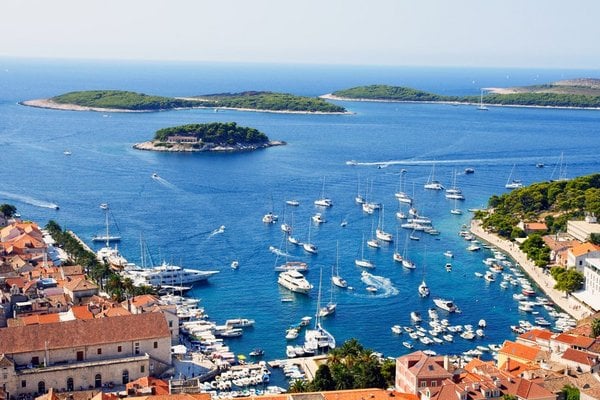
- Croatian Islands – Focus on Hvar, Korčula and Vis for crystal-clear waters, Venetian architecture and waterfront dining.
- Aegean Sea – Combine volcanic islands, ancient ruins and traditional fishing villages across Greece and western Turkey.
- Malta – Sail into Valletta’s fortified harbour and explore Mdina’s medieval streets and the Three Cities.
- Black Sea – Experience lesser-visited ports with a unique blend of Ottoman, Byzantine and Eastern European influences.
Top Adriatic Cruises Options & Alternatives
- Adriatic Cruises 2026 – Explore sun-soaked sailings along Croatia, Montenegro, Albania, Slovenia, and Italy.
- Adriatic Cruises from Southampton – Enjoy Adriatic highlights with the ease of a UK departure.
- Adriatic Cruises from the UK – Compare UK-friendly routes to the eastern Mediterranean.
- Adriatic Fly Cruises – Fly closer to the coast and maximise your time exploring Adriatic ports.
Cruise Line Choices
- Adriatic Cruises P&O – A relaxed British cruise style with Adriatic ports and Mediterranean sunshine.
- Princess Adriatic Cruises – Polished itineraries with scenic port calls and plenty of onboard choice.
Albania, Montenegro & Slovenia
- Albania – Discover beaches, historic towns, and Ionian Sea scenery.
- Sarande, Albania – A gateway to Butrint, turquoise bays, and the Albanian Riviera.
- Slovenia – A compact coastal option with easy access to pretty towns and countryside.
- Bar, Montenegro – A quieter Adriatic port with old-town charm and coastal views.
- Kotor, Montenegro – Sail into a dramatic bay framed by mountains and medieval walls.
- Montenegro – A scenic alternative for fjord-like bays, old towns, and relaxed shore days.
Croatia Cruises & Alternatives
- Croatia – A classic Adriatic choice with island towns, clear waters, and historic harbours.
- Croatia Cruises 2026 – Compare future sailings to Dubrovnik, Split, Zadar, and more.
- Croatia Cruises 2027 – Plan ahead for popular ports and strong cabin choice.
- Croatia Fly Cruises – Start closer to the Adriatic and spend less time at sea.
- Croatia Cruises from Southampton – UK departures with extended Mediterranean routing.
- Croatia Cruises from the UK – A handy overview for no-fly and UK-friendly Croatia holidays.
Croatia All Inclusive & Cruise Line Options
- Croatia Cruises All Inclusive – Add extra value with drinks, flights, or package inclusions.
- Croatia Cruises 2026 All Inclusive – Future Croatia sailings with added package convenience.
- Croatia Cruises 2027 All Inclusive – Early-planning options for inclusive Adriatic holidays.
- Princess Croatia Cruises – A polished way to see Croatia’s coastal cities and islands.
- Croatia 2026 Cruises from Southampton – Longer UK-departure itineraries with Croatia as a highlight.
- Croatia 2027 Cruises from Southampton – Plan ahead for scenic Adriatic calls from the UK.
Croatian Ports & Island Stops
- Dubrovnik, Croatia – Walk the city walls and explore one of the Adriatic’s most famous ports.
- Split, Croatia – Visit Diocletian’s Palace and enjoy a lively waterfront atmosphere.
- Zadar, Croatia – A great choice for Roman ruins, sea views, and the Sea Organ.
- Sibenik, Croatia – A characterful port close to Krka National Park.
- Hvar, Croatia – Island glamour, harbour cafés, and Venetian-era streets.
- Korcula, Croatia – A pretty island stop with medieval lanes and coastal views.
- Rijeka, Croatia – A northern Croatian port with easy access to Kvarner Bay.
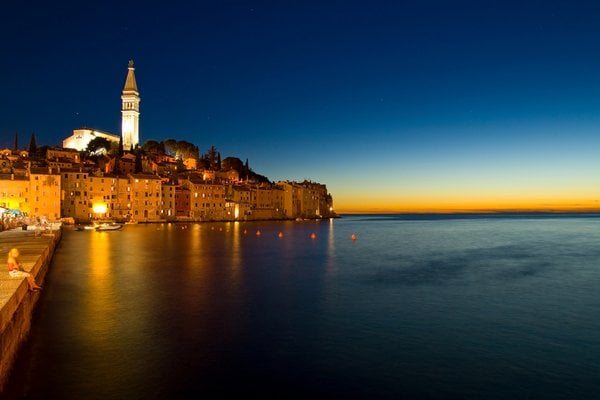
- Rovinj, Croatia – Colourful old-town streets and a romantic Istrian harbour.
- Opatija, Croatia – Elegant seafront promenades and Austro-Hungarian architecture.
- Vodice, Croatia – A laid-back coastal stop close to islands and beaches.
Italy Cruises & Adriatic Alternatives
- Italy Cruises 2026 – Compare sailings to classic Italian ports and island destinations.
- Italy Cruises 2027 – Plan ahead for Mediterranean favourites and scenic coastal calls.
- Italy Fly Cruises – Fly into the Mediterranean and join your ship closer to the coast.
- Italy Cruises from Southampton – Longer no-fly itineraries with Italian highlights.
- Italy Cruises from the UK – A broad view of UK-friendly Italy cruise holidays.
- Princess Italy Cruises – Easygoing Italian itineraries with premium ship facilities.
Italy 2026 & 2027 Planning Pages
- Italy 2026 Cruises from Southampton – UK departures with Rome, Naples, Sicily, or northern Italy in reach.
- Italy 2027 Cruises from Southampton – Future sailings ideal for early booking and cabin selection.
Italian Adriatic & Northern Ports
- Ancona (Urbino), Italy – A useful Adriatic gateway for Renaissance towns and coastal views.
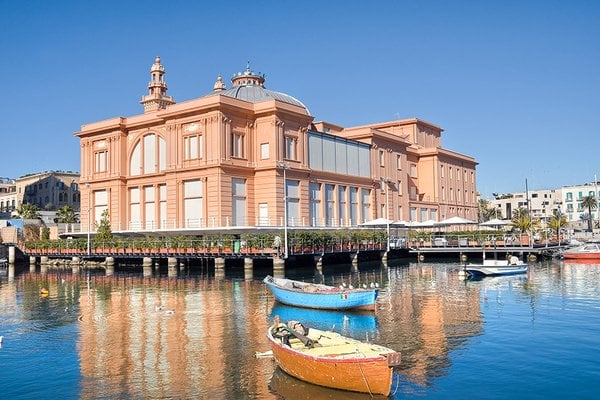
- Bari, Italy – Explore Puglia’s old town, basilica, and southern Italian food scene.
- Brindisi, Italy – A quieter Adriatic alternative with Roman heritage and waterfront walks.
- Ravenna, Italy – Famous for mosaics and a useful gateway for Emilia-Romagna.
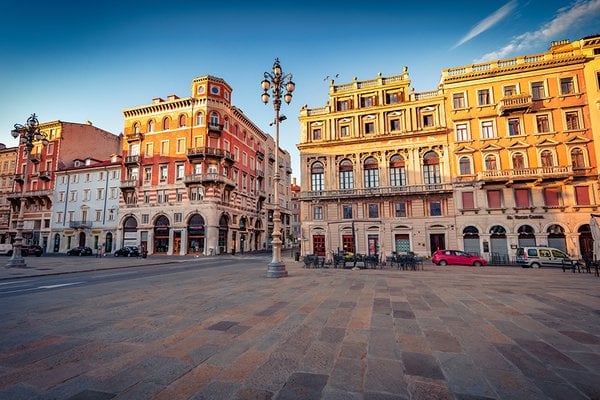
- Trieste, Italy – A grand Adriatic port with cafés, castles, and central European flair.
- Tarent, Italy – A southern Italian port with ancient history and coastal charm.
Italian Riviera, Tuscany & Liguria
- Florence, Italy – A Renaissance favourite for galleries, piazzas, and Tuscan culture.
- Livorno (Florence), Italy – The main cruise gateway for Florence, Pisa, and Tuscany.
- Genoa, Italy – A historic port city with palaces, lanes, and Ligurian food.
- Portofino, Italy – A glamorous harbour stop with pastel houses and coastal walks.
- Portovenere, Italy – A scenic Ligurian alternative close to the Cinque Terre coastline.
- Santa Margherita (Ligure), Italy – A stylish Riviera port with easy access to Portofino.
- Savona, Italy – A practical Ligurian port for northwest Italy and the Riviera.
- Porto Santo Stefano, Italy – A smaller Tuscan coastal stop with relaxed harbour appeal.
Southern Italy, Amalfi Coast & Islands
- Amalfi, Italy – A spectacular coastal stop for cliffside views and lemon-scented streets.
- Capri, Italy – A stylish island call with sea caves, boutiques, and sweeping views.
- Naples, Italy – Visit Pompeii, the Amalfi Coast, or the city’s famous pizzerias.
- Salerno, Italy – A handy gateway to Amalfi, Paestum, and southern Italian coastlines.
- Sorrento, Italy – A classic base for Capri, Pompeii, and Bay of Naples views.
- Southern Italy – A broader option for Puglia, Campania, Calabria, and Sicily routes.
- Lipari, Italy – A volcanic island stop in the Aeolian Islands with relaxed charm.
- Olbia, Italy – A Sardinian gateway for beaches, bays, and Costa Smeralda scenery.
- Alghero, Sardinia, Italy – A characterful Sardinian port with Catalan influences and coastal caves.
Sicily & Strait of Messina
- Catania, Italy – A lively Sicilian port beneath Mount Etna.
- Messina, Sicily, Italy – A classic gateway to Taormina, Mount Etna, and northeast Sicily.
- Palermo, Sicily, Italy – Discover markets, Norman palaces, and bold Sicilian flavours.
- Siracusa, Italy – A beautiful Sicilian stop known for Ortigia and ancient Greek history.
- Strait of Messina, Italy – A scenic sailing passage between Sicily and mainland Italy.
- Taormina (Giardini Naxos), Italy – A favourite for clifftop views, Greek theatre ruins, and Mount Etna trips.
- Trapani, Sicily, Italy – A western Sicily port close to Erice, salt pans, and island scenery.
Wider Mediterranean Alternatives
- Mediterranean – Compare Adriatic, Italian, Greek, Spanish, and island itineraries in one place.
FAQs About Adriatic Sea Cruises
What countries can I visit on an Adriatic Sea cruise?
Adriatic Sea cruises commonly visit Croatia, Italy, Montenegro and Slovenia, with popular ports including Dubrovnik, Split, Kotor and Venice.
When is the best time to cruise the Adriatic Sea?
The most popular season runs from May to October, offering warm weather, calm waters and excellent sightseeing conditions.
Do Adriatic cruises include Dubrovnik?
Many itineraries feature Dubrovnik, one of the region’s most famous destinations, known for its medieval walls and historic Old Town.
Are Adriatic Sea cruises suitable for first-time cruisers?
Yes. Short sailing distances, beautiful scenery and easy-to-explore ports make the Adriatic ideal for beginners.
What are the highlights of an Adriatic cruise?
Highlights often include Venice, Dubrovnik, Split, the Bay of Kotor and Croatia’s picturesque islands.
How long is a typical Adriatic Sea cruise?
Most itineraries range from 7 to 14 nights, although some longer Mediterranean cruises spend more time in the region.
Can I cruise the Adriatic from the UK?
Some longer voyages from Southampton visit Adriatic ports, although many cruises depart from Mediterranean embarkation cities.
What currency is used in Adriatic cruise destinations?
Many ports use the Euro, although some countries may have their own currencies depending on the itinerary.
Are Adriatic Sea cruises good for beach lovers?
Yes. Croatia and Montenegro offer beautiful beaches, crystal-clear waters and scenic coastal resorts.
Do I need shore excursions in Adriatic ports?
While many ports are easy to explore independently, organised excursions can provide deeper insight into local history and culture.
Ready to discover the stunning coastlines of the Adriatic Sea? Call our Cruise Specialists and let us help you find your perfect Adriatic Sea cruise.
Expert Tips for Cruising the Adriatic
For Adriatic cruises, it’s recommended to choose itineraries with longer stays in ports such as Dubrovnik and Kotor, where early morning and late afternoon offer the most enjoyable sightseeing. Guests benefit from exploring beyond the waterfront areas, where local restaurants are often quieter and better value.
 +44
+44