


Japan Cruises
Japan cruises blend ancient traditions, modern cities and stunning landscapes, from cherry blossoms to iconic temples.
Our Best Japan Cruises Deals
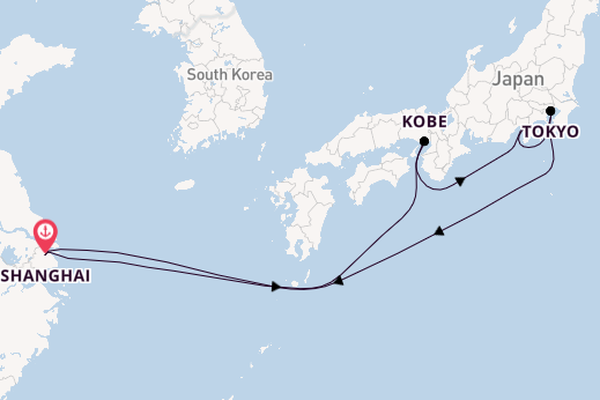
Japan from Shanghai, China with the Spectrum of the Seas
- The North Star observation capsule rises 300 feet above sea level in an all-glass pod — a signature experience exclusive to Royal Caribbean's Quantum Ultra class
- Built for the East Asia market, Spectrum of the Seas features Dadong Wonderland Chinese cuisine, Jamie's Italian, and an Asian-fusion main dining room among 16 restaurants
- Watch robots mix your drink at the iconic Bionic Bar.
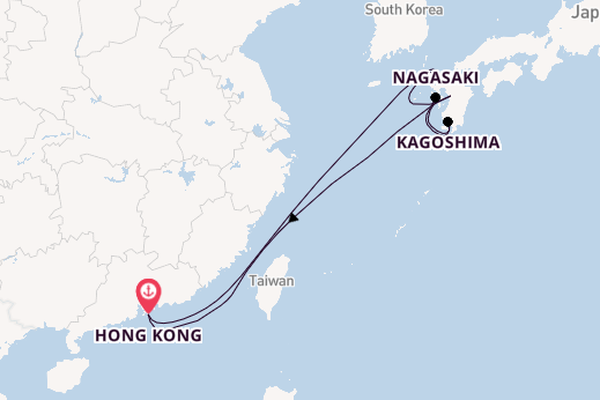
Christmas & New Year in Japan with a Hong Kong Stay
- Spend Christmas onboard in Japan
- Spend New Year in Hong Kong
- Includes a 4nt Hotel Stay in Hong Kong
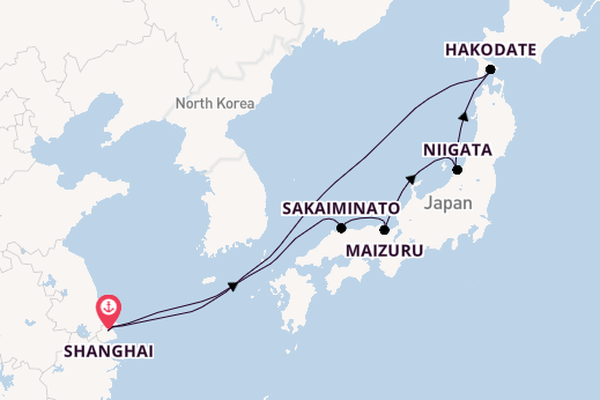
Best of Japan with a Shanghai Stay!
- Includes 3 Night Shanghai Hotel Stay
- FREE Half Day Shanghai City Tour
- Book Now for Just £199 PP Deposit
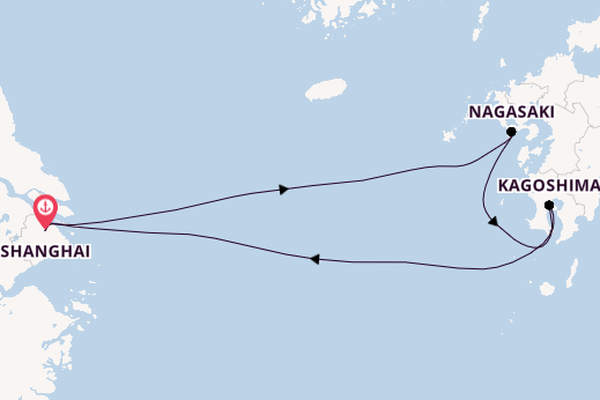
Japan from Shanghai, China with the Spectrum of the Seas
- The North Star observation capsule rises 300 feet above sea level in an all-glass pod — a signature experience exclusive to Royal Caribbean's Quantum Ultra class
- Built for the East Asia market, Spectrum of the Seas features Dadong Wonderland Chinese cuisine, Jamie's Italian, and an Asian-fusion main dining room among 16 restaurants
- Watch robots mix your drink at the iconic Bionic Bar.
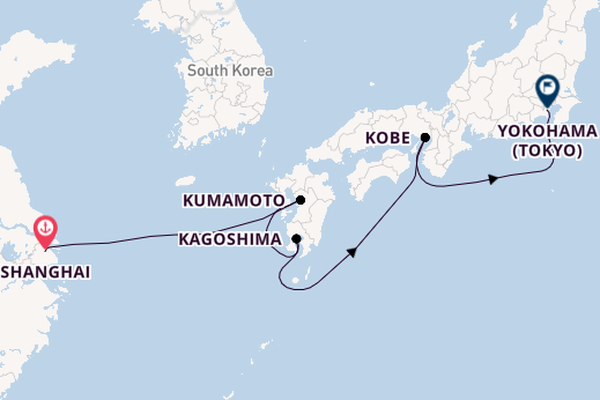
Japan from Shanghai, China with the Spectrum of the Seas
- The North Star observation capsule rises 300 feet above sea level in an all-glass pod — a signature experience exclusive to Royal Caribbean's Quantum Ultra class
- Built for the East Asia market, Spectrum of the Seas features Dadong Wonderland Chinese cuisine, Jamie's Italian, and an Asian-fusion main dining room among 16 restaurants
- Watch robots mix your drink at the iconic Bionic Bar.
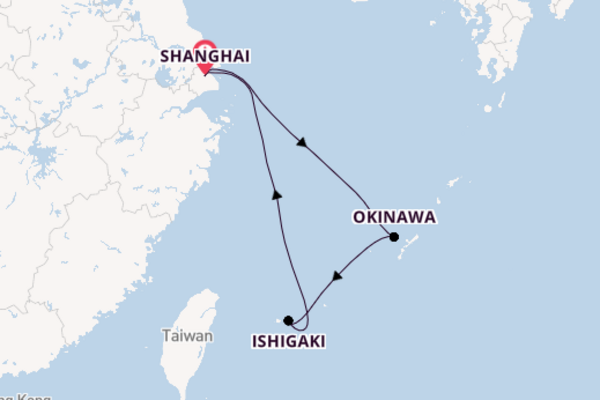
Japan from Shanghai, China with the Spectrum of the Seas
- The North Star observation capsule rises 300 feet above sea level in an all-glass pod — a signature experience exclusive to Royal Caribbean's Quantum Ultra class
- Built for the East Asia market, Spectrum of the Seas features Dadong Wonderland Chinese cuisine, Jamie's Italian, and an Asian-fusion main dining room among 16 restaurants
- Watch robots mix your drink at the iconic Bionic Bar.
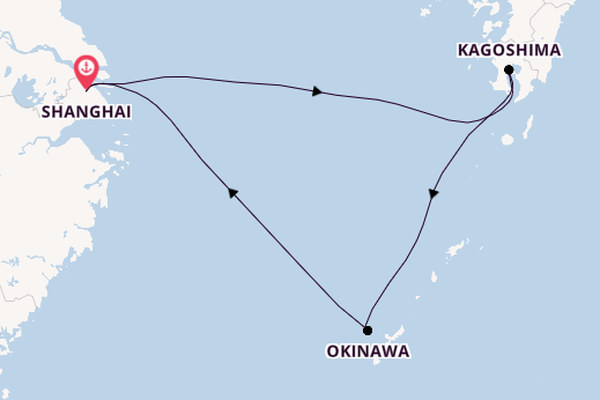
Japan from Shanghai, China with the Spectrum of the Seas
- The North Star observation capsule rises 300 feet above sea level in an all-glass pod — a signature experience exclusive to Royal Caribbean's Quantum Ultra class
- Built for the East Asia market, Spectrum of the Seas features Dadong Wonderland Chinese cuisine, Jamie's Italian, and an Asian-fusion main dining room among 16 restaurants
- Watch robots mix your drink at the iconic Bionic Bar.
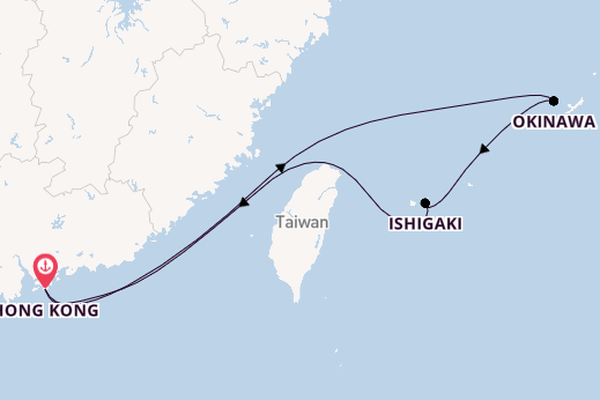
Japan from Hong Kong, China with the Spectrum of the Seas
- The North Star observation capsule rises 300 feet above sea level in an all-glass pod — a signature experience exclusive to Royal Caribbean's Quantum Ultra class
- Built for the East Asia market, Spectrum of the Seas features Dadong Wonderland Chinese cuisine, Jamie's Italian, and an Asian-fusion main dining room among 16 restaurants
- Watch robots mix your drink at the iconic Bionic Bar.
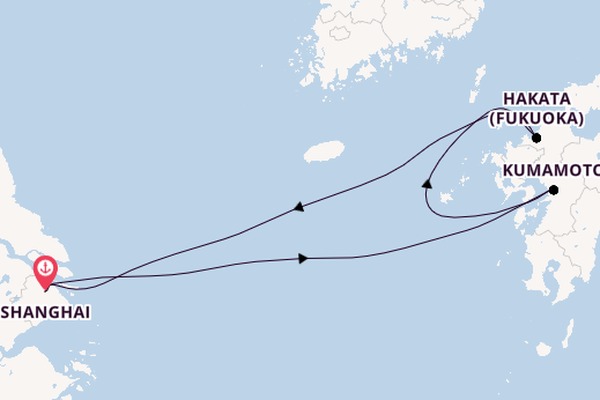
Japan from Shanghai, China with the Spectrum of the Seas
- The North Star observation capsule rises 300 feet above sea level in an all-glass pod — a signature experience exclusive to Royal Caribbean's Quantum Ultra class
- Built for the East Asia market, Spectrum of the Seas features Dadong Wonderland Chinese cuisine, Jamie's Italian, and an Asian-fusion main dining room among 16 restaurants
- Watch robots mix your drink at the iconic Bionic Bar.
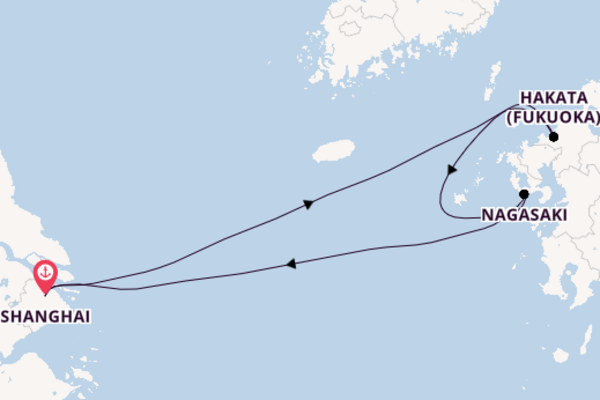
Japan from Shanghai, China with the Spectrum of the Seas
- The North Star observation capsule rises 300 feet above sea level in an all-glass pod — a signature experience exclusive to Royal Caribbean's Quantum Ultra class
- Built for the East Asia market, Spectrum of the Seas features Dadong Wonderland Chinese cuisine, Jamie's Italian, and an Asian-fusion main dining room among 16 restaurants
- Watch robots mix your drink at the iconic Bionic Bar.
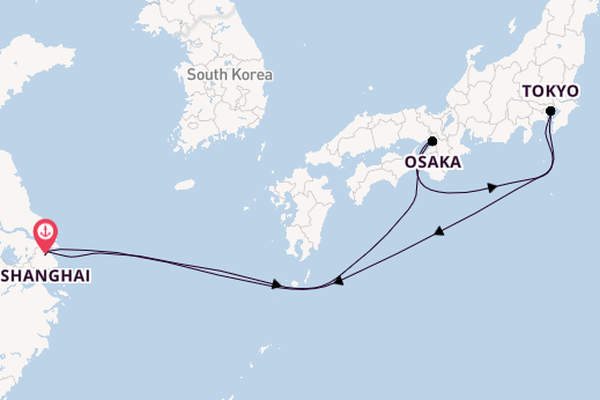
Japan from Shanghai, China with the Spectrum of the Seas
- The North Star observation capsule rises 300 feet above sea level in an all-glass pod — a signature experience exclusive to Royal Caribbean's Quantum Ultra class
- Built for the East Asia market, Spectrum of the Seas features Dadong Wonderland Chinese cuisine, Jamie's Italian, and an Asian-fusion main dining room among 16 restaurants
- Watch robots mix your drink at the iconic Bionic Bar.
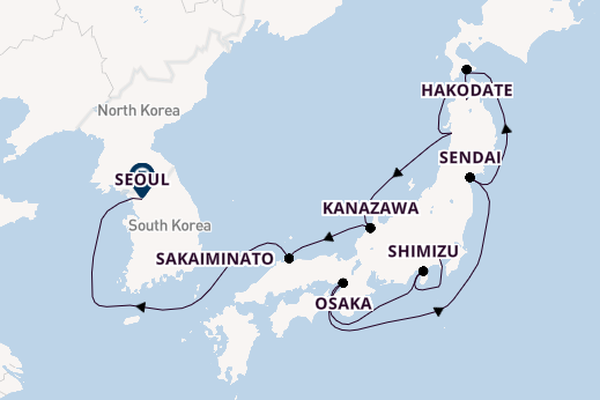
Japan from Yokohama (Tokyo), Japan with the Norwegian Jade
- Norwegian Jade's Freestyle Dining means no fixed times or assigned tables across 19 restaurants, including Cagney's Steakhouse, Le Bistro, and Moderno Churrascaria
- Bliss Ultra Lounge is an adults-only evening nightclub with pulsing lighting and music, while Vibe Beach Club provides a separate adults-only pool deck retreat
- At a sociable 93,558 tonnes — large enough for variety, small enough to feel personal — Norwegian Jade leads with NCL's entertainment-first approach

Walls & Warriors with Shanghai Tour & The Best of Japan Cruising
- Includes a 7 Night Escorted Tour
- Book today for only £249pp deposit
- The North Star observation capsule rises 300 feet above sea level in an all-glass pod
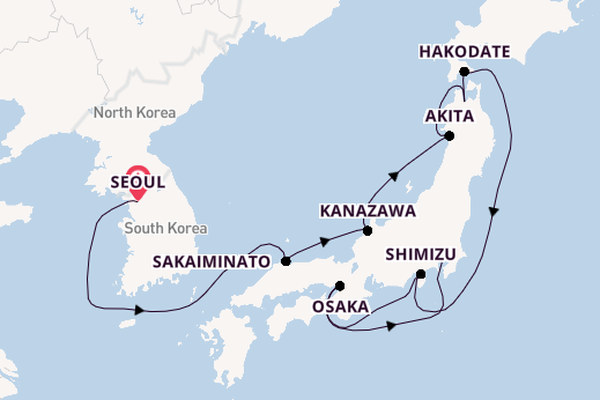
Japan from Seoul, South Korea with the Norwegian Jade
- Norwegian Jade's Freestyle Dining means no fixed times or assigned tables across 19 restaurants, including Cagney's Steakhouse, Le Bistro, and Moderno Churrascaria
- Bliss Ultra Lounge is an adults-only evening nightclub with pulsing lighting and music, while Vibe Beach Club provides a separate adults-only pool deck retreat
- At a sociable 93,558 tonnes — large enough for variety, small enough to feel personal — Norwegian Jade leads with NCL's entertainment-first approach
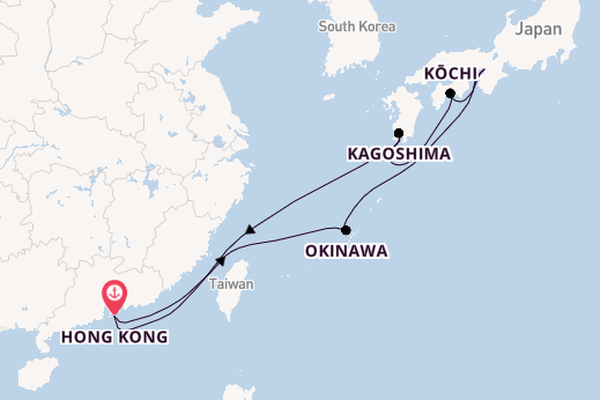
Japan from Hong Kong, China with the Spectrum of the Seas
- The North Star observation capsule rises 300 feet above sea level in an all-glass pod — a signature experience exclusive to Royal Caribbean's Quantum Ultra class
- Built for the East Asia market, Spectrum of the Seas features Dadong Wonderland Chinese cuisine, Jamie's Italian, and an Asian-fusion main dining room among 16 restaurants
- Watch robots mix your drink at the iconic Bionic Bar.
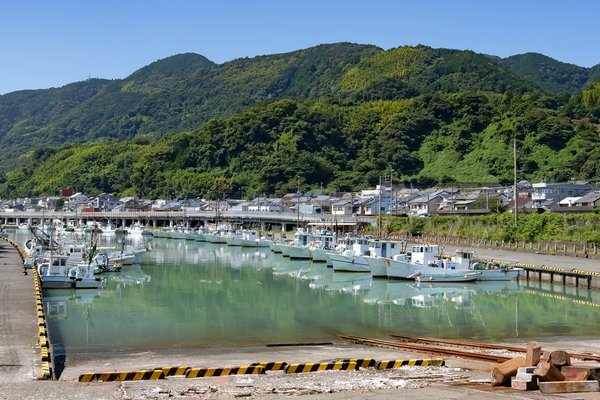
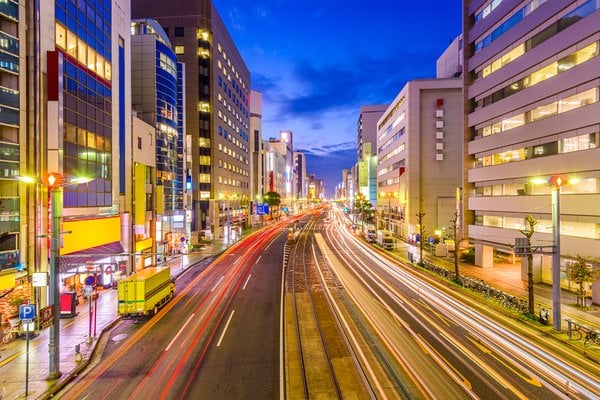
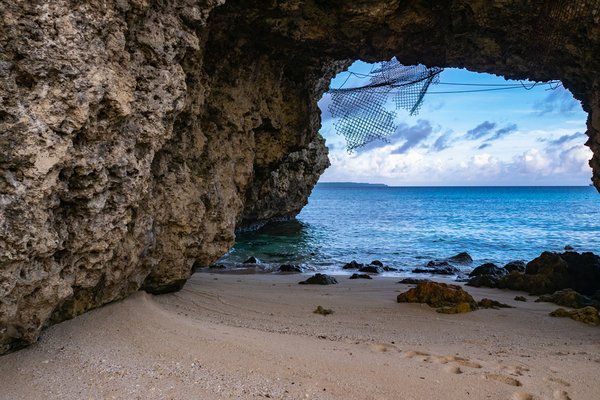
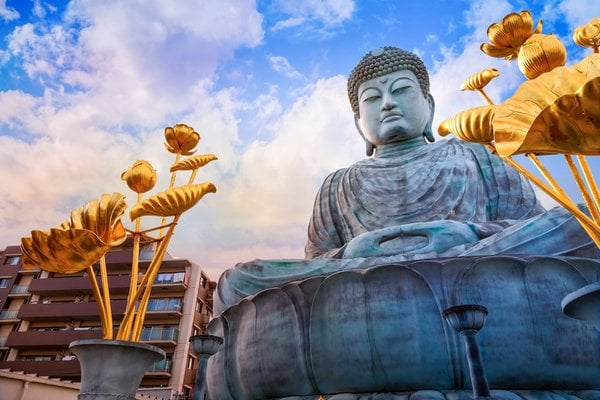
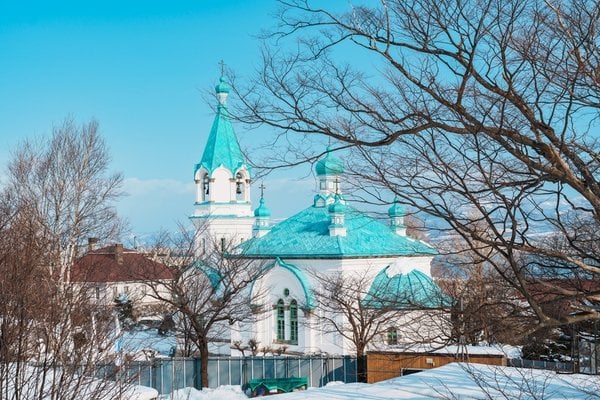
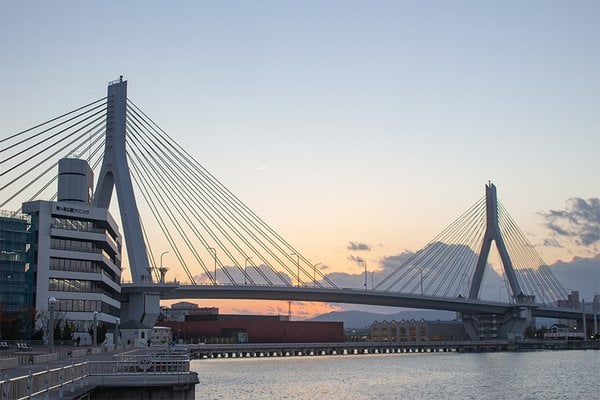
Harbours for Japan
Travel Tips for Japan Cruises
Discover Fascinating Japan By Sea
A cruise to Japan offers one of the most rewarding ways to explore this extraordinary country, blending ancient tradition with cutting-edge modern life. Japan cruises are operated by a select group of cruise lines that specialise in long-haul itineraries, regional expertise, and immersive port experiences across the Pacific and Asia.
For UK guests, options include Japan Cruises from the UK and longer repositioning voyages such as Japan Cruises from Southampton, while many itineraries begin locally via Japan Fly Cruises, with flights included to Tokyo or Yokohama.
Forward planners can already secure itineraries for Japan Cruises 2026 and Japan Cruises 2027, including departures specifically designed as Japan Cruises 2026 from Tokyo and Japan Cruises 2027 from Tokyo, allowing travellers to spend time exploring the capital before embarkation.
Top Harbours in Japan
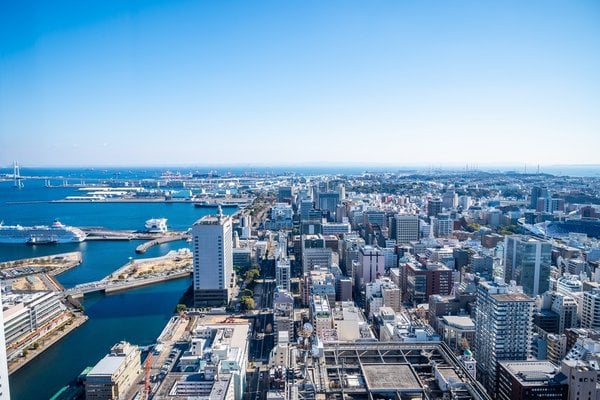
One of the highlights of cruises to Japan is the extraordinary range of harbours, from ultra-modern metropolitan ports to historic coastal towns that preserve centuries of tradition. Japan’s cruise terminals are typically located close to city centres, making shore exploration efficient and rewarding.
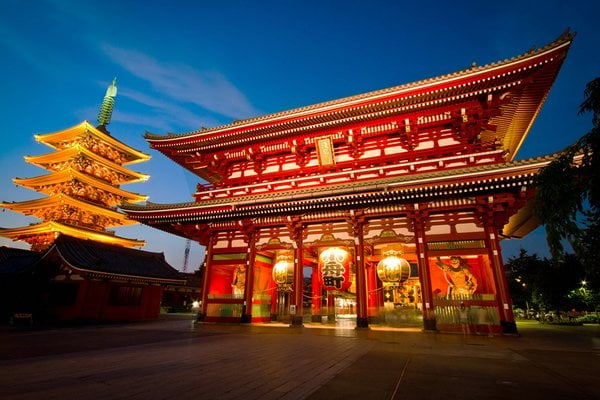
- Tokyo, Japan – A major cruise gateway offering access to Shibuya Crossing, Meiji Shrine, Sensō-ji in Asakusa, and the futuristic waterfront of Odaiba.
- Yokohama (Tokyo), Japan – Home to Osanbashi Pier, within walking distance of Yamashita Park, Yokohama Chinatown, and the historic Red Brick Warehouse.
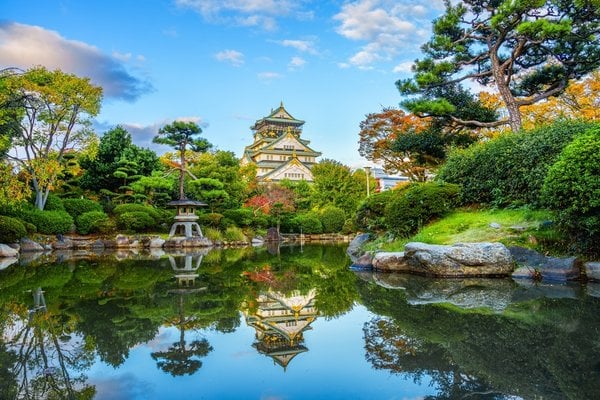
- Osaka, Japan – A vibrant harbour providing access to Osaka Castle, Dōtonbori’s neon-lit streets, and fast rail connections to Kyoto and Nara.
- Kobe, Japan – A cosmopolitan port known for the Kitano historic district, Mount Rokko viewpoints, and the scenic Meriken Park waterfront.
- Hiroshima, Japan – Gateway to the Hiroshima Peace Memorial Park and Museum, with excursions to Miyajima Island and the iconic Itsukushima Shrine torii gate.
- Nagasaki, Japan – A culturally layered port blending European and Asian history, featuring Dejima, Glover Garden, and panoramic harbour viewpoints.
- Kagoshima, Japan – Set beneath the active Sakurajima volcano, visible from the cruise terminal, with access to Sengan-en Garden and volcanic coastal scenery.
- Kanazawa, Japan – A refined port city renowned for Kenrokuen Garden, Nagamachi Samurai District, and preserved Edo-period streets.
- Hakodate, Japan – Famous for Mount Hakodate’s panoramic night views, Motomachi’s Western architecture, and historic port warehouses.
- Kushiro, Japan – A northern harbour offering access to Kushiro Shitsugen National Park, Japan’s largest wetland and a haven for red-crowned cranes.
- Sapporo, Japan – Typically accessed via Otaru, allowing visits to Odori Park, the Sapporo Beer Museum, and historic canal districts.
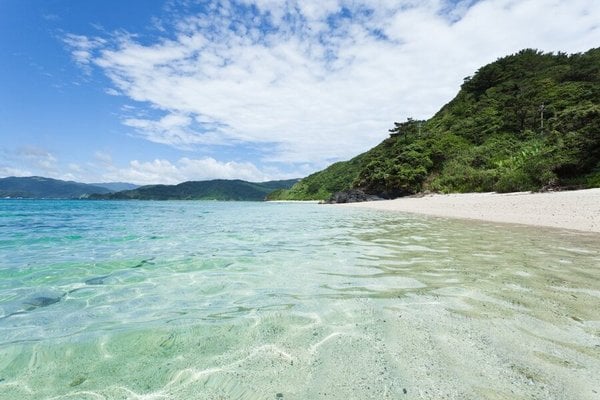
- Ishigaki, Japan – A subtropical island port known for coral reefs, Kabira Bay viewpoints, and relaxed Ryukyu Island culture.
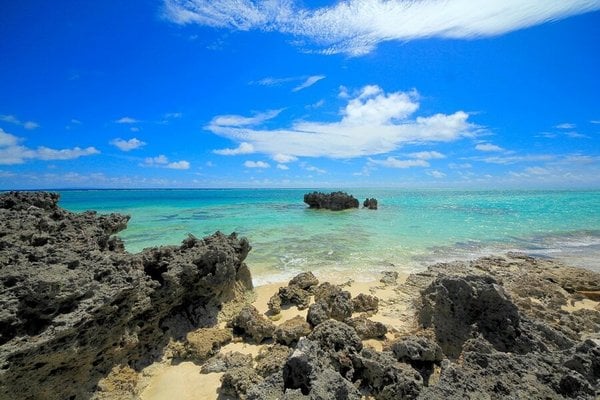
- Miyako-jima, Japan – Celebrated for powder-white beaches, clear lagoons, and scenic bridges linking neighbouring islands.
- Naha (Okinawa), Japan – A key Ryukyu Islands harbour offering Shurijo Castle ruins, Kokusai Street shopping, and distinct Okinawan cuisine.
Together, these ports define the appeal of a cruise around Japan, combining world-famous cities, reflective historic sites, and lesser-visited island harbours into one richly layered journey.
Top Attractions and Activities in Japan
Fushimi Inari Shrine, Kyoto – Walk through thousands of vermilion torii gates.
Hiroshima Peace Memorial Park – Visit the Atomic Bomb Dome and museum.
Tokyo Skytree – Enjoy panoramic views from Japan’s tallest structure.
Itsukushima Shrine, Miyajima – Photograph the floating torii gate at high tide.
Arashiyama Bamboo Grove – Wander the atmospheric forest pathways.
Osaka Castle – Explore the historic fortress and surrounding park.
Japan combines serene shrines, poignant history and ultra-modern cityscapes.
Customs & Culture in Japan
Onsen Etiquette in Japan – Cruise passengers visiting Beppu or Hakodate should know hot spring bathing is typically nude, quiet and separated by gender.
Food Culture in Tokyo and Osaka – Sushi counters, ramen bars and izakaya dining reward polite behaviour, with “itadakimasu” often said before eating.
Temple Customs in Kyoto – At shrines such as Fushimi Inari, visitors cleanse hands at water basins and avoid blocking torii gate pathways.
Punctuality and Order – Japanese transport runs on time; queuing neatly for trains and ferries is expected.
Seasonal Expectations & Weather
Spring (March to May) – 10–22°C with cherry blossom season in Tokyo, Osaka and Kyoto peaking from late March into April. Conditions are generally clear and calm at sea. Golden Week (late April–early May) is extremely busy, with crowded attractions and higher prices.
Rainy Season (June) – Warm (20–28°C) with frequent rain and humidity rising. Sea conditions remain manageable, but excursions can feel sticky.
Summer (July to August) – Hot and humid, 28–35°C, especially in Osaka and Nagasaki. Typhoon risk increases from late summer, and itineraries can shift. Obon (mid-August) is a major domestic holiday.
Autumn (September to November) – 15–25°C with crisp, clear days. Autumn leaves season (late October–November) is a highlight for scenic ports.
Winter (December to February) – 0–12°C in many regions, colder in the north. Coastal winds can feel sharp, but the air is often dry and bright.
Alternative Regions to Consider
South Korea – If you enjoy Japan’s coastal cities, Busan offers similar harbour scenery, seafood markets and access to historic temples.
Taiwan – Keelung provides entry to Taipei’s night markets and the National Palace Museum, blending tradition with modern skyline views.
Hong Kong – For dense urban excitement, Hong Kong pairs skyline vistas with island hikes and harbour cruises.
Southeast Asia – If you want cultural variety in a single sailing, combine Singapore, Vietnam and Thailand for temples, markets and beach escapes.
Top Japan Cruise Options
Japan offers one of the most diverse cruise experiences in Asia, combining ancient heritage, cutting-edge cities, volcanic landscapes, and island culture. The following options showcase the breadth of itineraries available, from UK departures to fly cruises and region-specific sailings.
Japan cruise itineraries and departure options
- Japan Cruises from the UK – Sail to Japan as part of an extended itinerary departing directly from the UK.
- Japan Cruises from Southampton – Long-haul voyages beginning in Southampton and continuing through Asia.
- Japan Fly Cruises – Fly into Asia or Japan and join your ship locally for a shorter, destination-focused cruise.
Japan cruise seasons
- Japan Cruises 2026 – A wide selection of spring and autumn sailings aligned with cherry blossom and foliage seasons.
- Japan Cruises 2026 from Tokyo – Roundtrip itineraries sailing directly from Japan’s capital.
- Japan Cruises 2027 – Future sailings offering early access to popular routes and ports.
- Japan Cruises 2027 from Tokyo – Tokyo-based departures ideal for guests wanting minimal transit.
Ports and destinations across Japan
- Tokyo, Japan – A global metropolis blending historic temples, neon districts, and world-class dining.
- Yokohama (Tokyo), Japan – Japan’s primary cruise gateway with easy rail access to central Tokyo.
- Osaka, Japan – Famous for street food, Osaka Castle, and access to Kyoto and Nara.
- Kobe, Japan – Known for Kobe beef, Mount Rokko views, and historic foreign residences.
- Kyoto, Japan – Cultural heart of Japan with temples, geisha districts, and traditional tea houses.
- Hiroshima, Japan – Home to the Peace Memorial Park and ferry access to Miyajima Island.
- Nagasaki, Japan – A historic port shaped by international trade and dramatic harbour scenery.
- Hakodate, Japan – Known for Mount Hakodate views and fresh seafood markets.
- Kagoshima, Japan – Overlooked by Sakurajima volcano and rich in samurai heritage.
- Kanazawa, Japan – Celebrated for Kenrokuen Garden and preserved samurai districts.
- Sapporo, Japan – Gateway to Hokkaido, known for beer culture and alpine scenery.
- Naha (Okinawa), Japan – A subtropical port with Ryukyu culture and turquoise waters.
Cruise line specific Japan sailings
- Princess Japan Cruises – Destination-focused itineraries with immersive shore excursions.
- Royal Caribbean Japan Cruises 2026 – Large-ship sailings with modern onboard amenities.
- Royal Caribbean Japan Cruises 2027 – Future itineraries offering family-friendly options.
Frequently asked questions about Japan cruises
Do I need a visa for a cruise to Japan?
UK passport holders can enter Japan visa-free for short stays, including cruise visits, provided passport validity requirements are met.
What currency is used in Japan?
Japan uses the Japanese Yen. Cash is widely accepted, although major cities increasingly accept cards.
What language is spoken in Japan?
Japanese is the primary language. English signage is common in ports, stations, and tourist areas.
What is the best time of year to cruise Japan?
Spring and autumn are the most popular due to cherry blossoms and autumn foliage, with mild temperatures.
How formal is Japanese culture for visitors?
Japan values politeness and respect. Simple gestures such as queuing properly and speaking quietly are appreciated.
Is Wi-Fi readily available in Japan?
Most cruise ships offer onboard Wi-Fi, and many Japanese ports provide free public hotspots.
What food can I expect ashore?
Expect sushi, ramen, tempura, okonomiyaki, and regional specialities depending on the port.
Are shore excursions necessary?
They are recommended for first-time visitors, though Japan’s rail network allows confident travellers to explore independently.
What’s the best season for a Japan cruise?
Spring for cherry blossom season (March–April) and autumn for foliage (October–November).
Which Japanese ports are most common on cruises?
Tokyo (Yokohama), Osaka (Kobe), Nagasaki, Hiroshima and Hakodate are frequent stops.
Do Japan cruises include Mount Fuji?
Some excursions offer Fuji views from ports like Shimizu, but visibility depends on weather.
Is Japan easy to explore independently from the port?
Yes — Japan is excellent for public transport, but port locations vary in distance from city centres.
What’s the most popular food experience for cruise visitors in Japan?
Sushi and ramen tours are top picks, especially in Tokyo and Osaka.
Ready to experience the traditions of Japan? Call our Cruise Specialists and let us help you find your perfect Japan cruise.
Expert Tips for Cruising Japan
For Japan cruises, it’s recommended to choose itineraries with overnight stays in ports like Osaka or Yokohama, allowing time to explore after day-trippers depart. Travellers should also carry cash ashore, as many traditional restaurants and transport hubs still don’t accept cards.
 +44
+44