


New Zealand Cruises
New Zealand cruises showcase breathtaking fjords, Maori culture and stunning coastal scenery across both islands.
Our Best New Zealand Deals
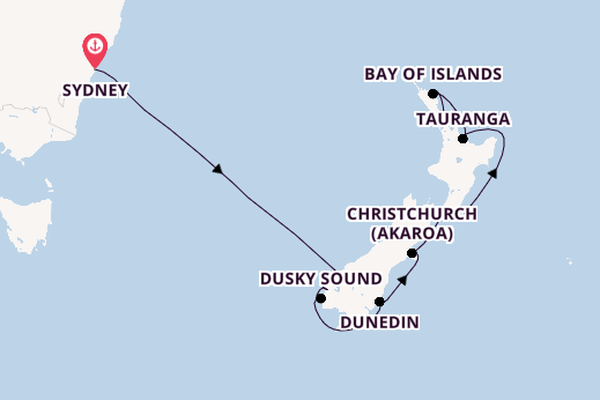
Discover Two Iconic Cities: Sydney & Auckland Cruise & Stay
- All Included - FREE Drinks and WiFi Worth $1090 PP
- Includes 3 Night Sydney Hotel Stay
- Includes 3 Night Auckland Hotel Stay

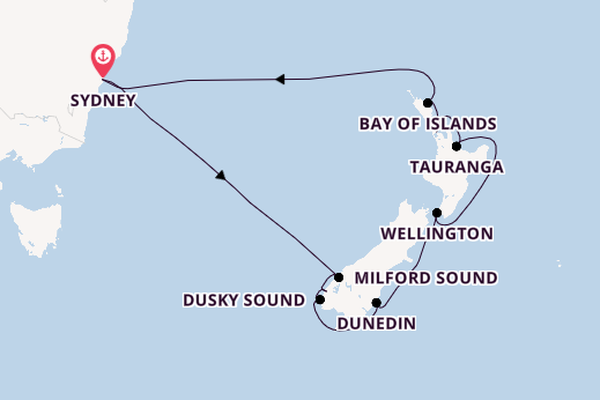
Sydney & the Natural Wonders of New Zealand: Sounds & Bay of Islands Cruise
- All Included - FREE Drinks and WiFi Worth $1308 PP
- Includes 5 Night Sydney Hotel Stay
- Experience this Amazing 5* Edge Class Ship
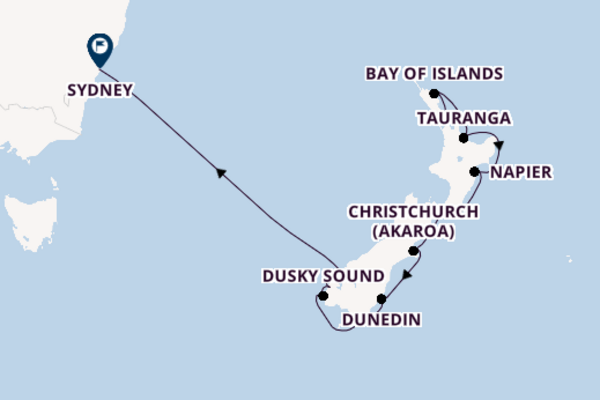
New Zealand from Auckland, New Zealand with the Celebrity Edge
- The Magic Carpet — a cantilevered platform that travels 13 floors along the ship's side — serves as a restaurant, bar, and Dinner on the Edge venue
- Infinite Veranda staterooms open the balcony wall fully into your cabin, delivering indoor-outdoor living unavailable on any other cruise line
- Three-storey Eden venue hosts Cirque-style performers amid a living garden, redefining what onboard entertainment can be

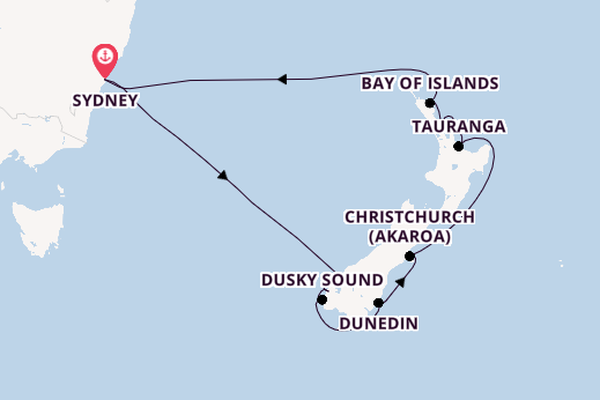
Sydney to New Zealand: A Journey Through the Majestic Sounds
- All Included - FREE Drinks and WiFi Worth $1308 PP
- Includes 5 Night Sydney Hotel Stay
- Experience this Amazing 5* Edge Class Ship
New Zealand from Sydney, Australia with the Celebrity Solstice
- Comprehensively renewed in 2026 — new Trattoria Rossa, Fine Cut Steakhouse, Sunset Park terrace, and refreshed Retreat suites
- The Lawn Club: a genuine half-acre of real grass on deck, hosting live Hot Glass Show demonstrations and outdoor cinema
- The Retreat gives suite guests a private pool sundeck, Luminae restaurant with Daniel Boulud menus, and butler service
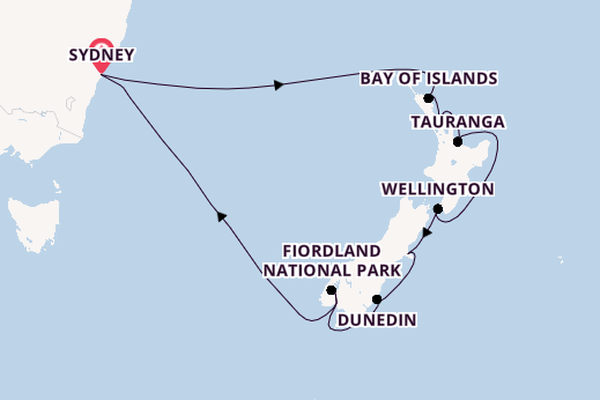
New Zealand from Sydney, Australia with the Royal Princess
- SeaWalk — a glass-floored walkway extending 18 metres over the ocean, almost 40 metres above the waves
- Named in Southampton by HRH The Princess of Wales in 2013 — Princess Cruises' flagship Royal-class ship
- The Sanctuary adults-only retreat with the Enclave thermal suite, heated stone loungers, and a hydrotherapy pool

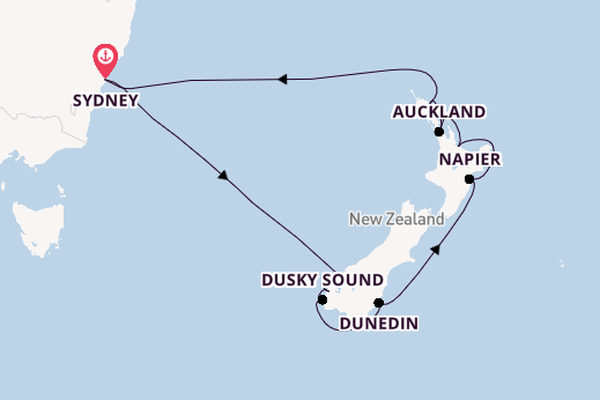
Luxury New Zealand Sights and Sounds with Sydney Stay
- NEW LUXURY - ALL INCLUDED DRINKS & WIFI!
- Includes 4 Night Hotel Stay In Sydney!
- Book for Just £199 PP Deposit!
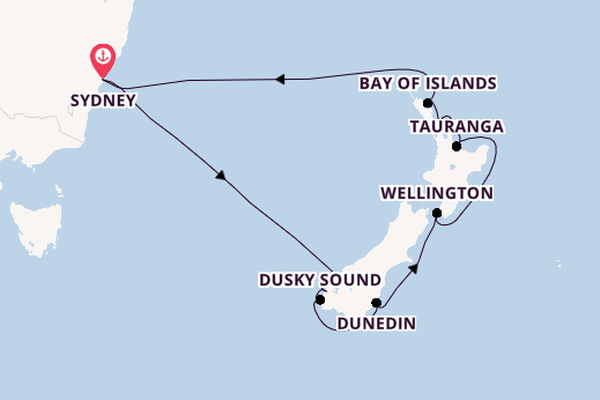
New Zealand from Sydney, Australia with the Celebrity Edge
- The Magic Carpet — a cantilevered platform that travels 13 floors along the ship's side — serves as a restaurant, bar, and Dinner on the Edge venue
- Infinite Veranda staterooms open the balcony wall fully into your cabin, delivering indoor-outdoor living unavailable on any other cruise line
- Three-storey Eden venue hosts Cirque-style performers amid a living garden, redefining what onboard entertainment can be
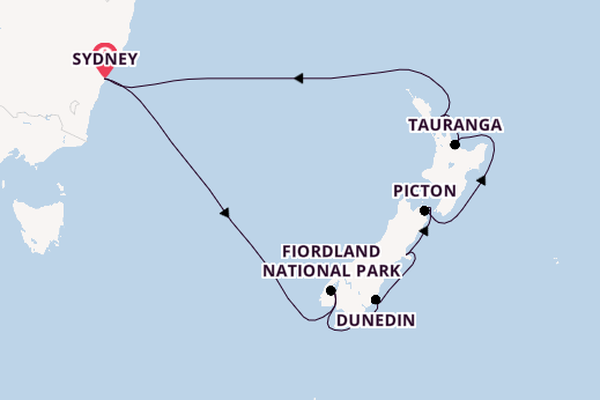
New Zealand from Sydney, Australia with the Royal Princess
- SeaWalk — a glass-floored walkway extending 18 metres over the ocean, almost 40 metres above the waves
- Named in Southampton by HRH The Princess of Wales in 2013 — Princess Cruises' flagship Royal-class ship
- The Sanctuary adults-only retreat with the Enclave thermal suite, heated stone loungers, and a hydrotherapy pool
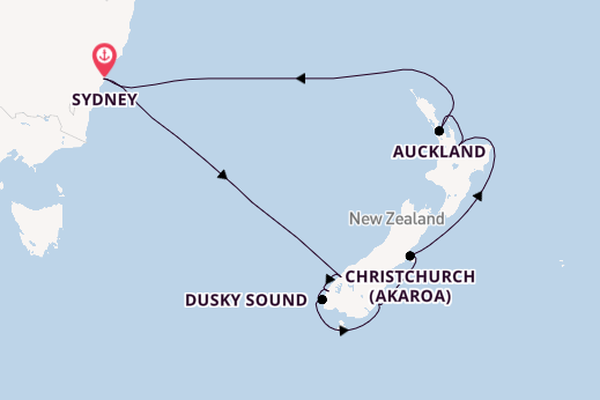
Opera to Sounds: Luxury New Zealand Voyage
- All Included - FREE Drinks and WiFi Worth $1199 PP
- Includes 5 Night Sydney Hotel Stay
- BOOK FOR JUST £199 PP DEPOSIT
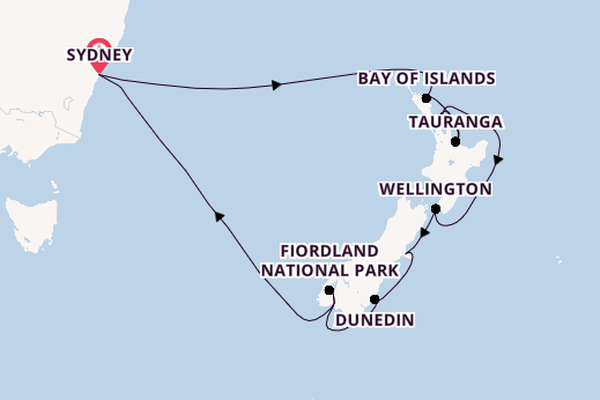
New Zealand from Sydney, Australia with the Royal Princess
- SeaWalk — a glass-floored walkway extending 18 metres over the ocean, almost 40 metres above the waves
- Named in Southampton by HRH The Princess of Wales in 2013 — Princess Cruises' flagship Royal-class ship
- The Sanctuary adults-only retreat with the Enclave thermal suite, heated stone loungers, and a hydrotherapy pool
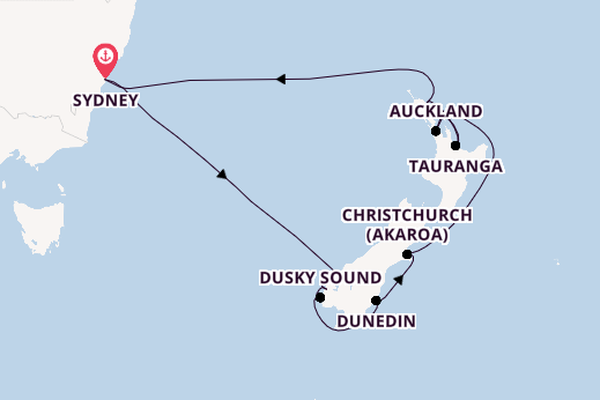
New Zealand from Sydney, Australia with the Celebrity Edge
- The Magic Carpet — a cantilevered platform that travels 13 floors along the ship's side — serves as a restaurant, bar, and Dinner on the Edge venue
- Infinite Veranda staterooms open the balcony wall fully into your cabin, delivering indoor-outdoor living unavailable on any other cruise line
- Three-storey Eden venue hosts Cirque-style performers amid a living garden, redefining what onboard entertainment can be
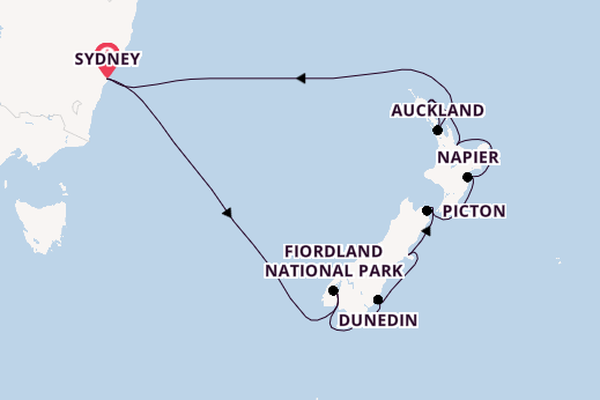
New Zealand from Sydney, Australia with the Royal Princess
- SeaWalk — a glass-floored walkway extending 18 metres over the ocean, almost 40 metres above the waves
- Named in Southampton by HRH The Princess of Wales in 2013 — Princess Cruises' flagship Royal-class ship
- The Sanctuary adults-only retreat with the Enclave thermal suite, heated stone loungers, and a hydrotherapy pool
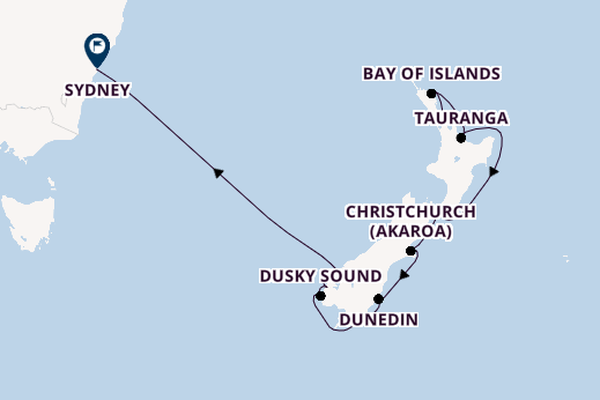
New Zealand from Auckland, New Zealand with the Celebrity Edge
- The Magic Carpet — a cantilevered platform that travels 13 floors along the ship's side — serves as a restaurant, bar, and Dinner on the Edge venue
- Infinite Veranda staterooms open the balcony wall fully into your cabin, delivering indoor-outdoor living unavailable on any other cruise line
- Three-storey Eden venue hosts Cirque-style performers amid a living garden, redefining what onboard entertainment can be
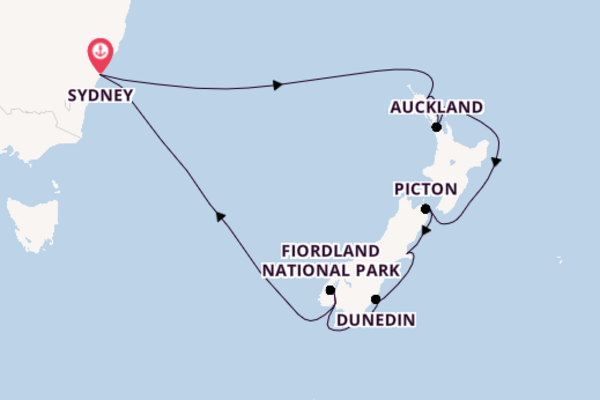
Luxury Wonders of New Zealand
- Includes 3 Night stay in Sydney
- Princess Plus - Add Drinks, Unlimited WiFi, Gratuities & More for £50pppd
- Deposit from £199pp
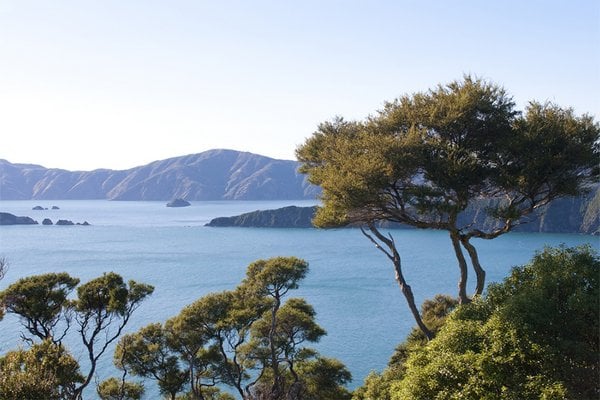
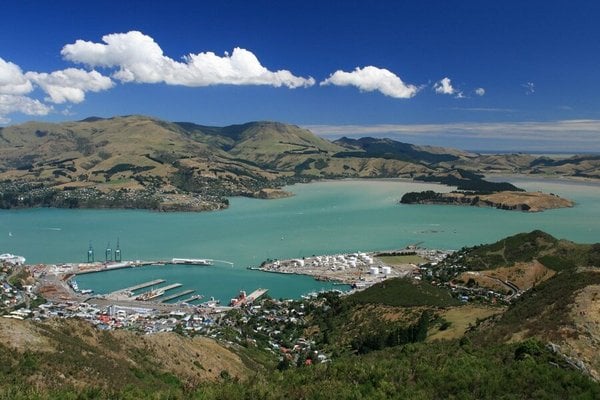
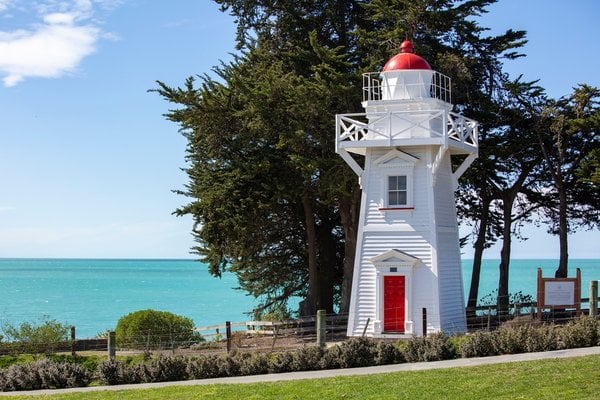
Harbours for New Zealand

Travel Tips for New Zealand
Explore Spectacular New Zealand
If you’re dreaming of a UK to New Zealand cruise, you’re looking at one of the most rewarding voyages on the planet. Aotearoa (New Zealand) delivers the kind of “pinch me” views that feel made for cruising: misty fjords, rugged coasts, volcanic peaks, and harbour-front cities where you can step off the ship and straight into great coffee, galleries, and food. It’s also an easy destination to combine with Australia, making it ideal for longer, once-in-a-lifetime itineraries.
Top Harbours in New Zealand
New Zealand ports are wonderfully varied: big-city harbours with museums and waterfront dining, small towns with heritage charm, and gateway ports that lead to geysers, vineyards, beaches, and wildlife.
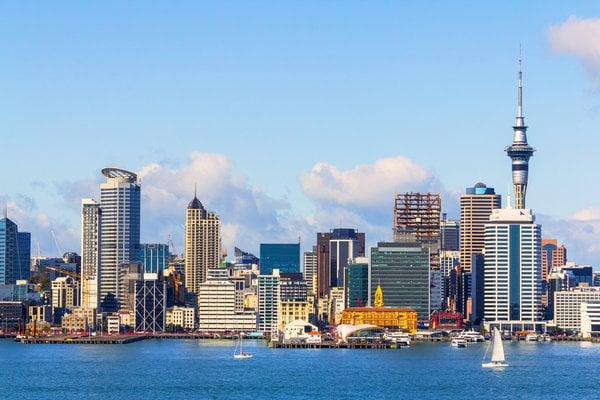
- Auckland: Sail into a skyline backed by volcanic cones, then spend your day hopping between the Viaduct Harbour, the Auckland War Memorial Museum, and a ferry trip to Waiheke Island for tasting rooms and coastal walks.
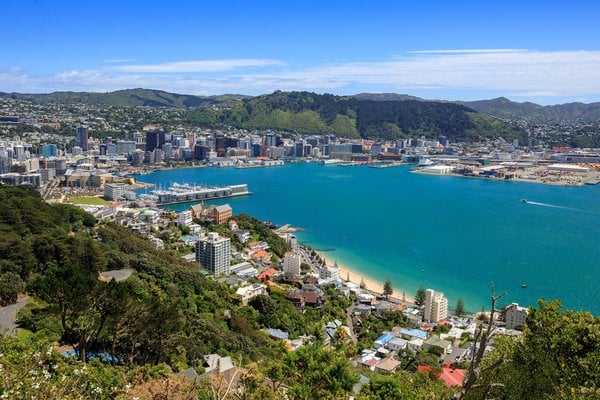
- Wellington: Compact, creative, and easy to explore on foot. Make time for Te Papa (the national museum), Cuba Street’s food scene, and the cable car for views over the harbour.
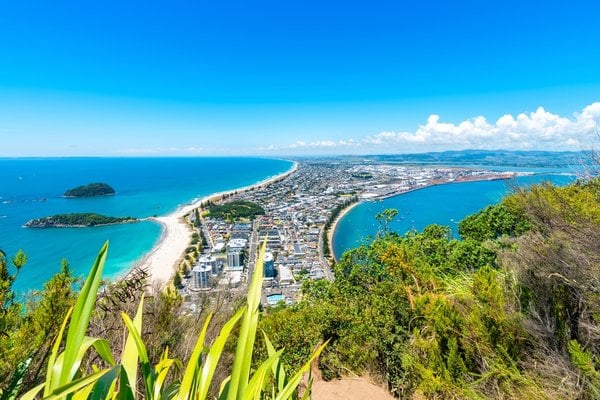
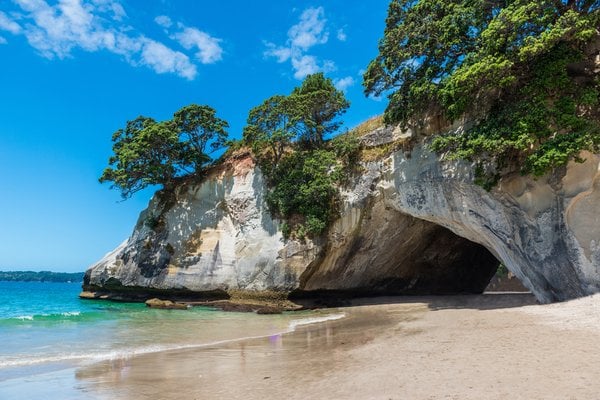
- Tauranga: A favourite for beach time and views. Walk up Mount Maunganui for that “wow” panorama, then reward yourself with fish and chips by the water.
- Bay of Islands: A gorgeous coastal stop for sailing, dolphin spotting, and history. Many guests pair it with a visit to Waitangi Treaty Grounds.
- Dunedin / Port Chalmers: Think heritage architecture, dramatic coastlines, and wildlife on the Otago Peninsula, including albatross and sea lion sightings.
- Christchurch (Akaroa) / Lyttelton: A brilliant base for gardens, galleries, and the scenic Banks Peninsula, with French-inspired Akaroa adding extra charm.
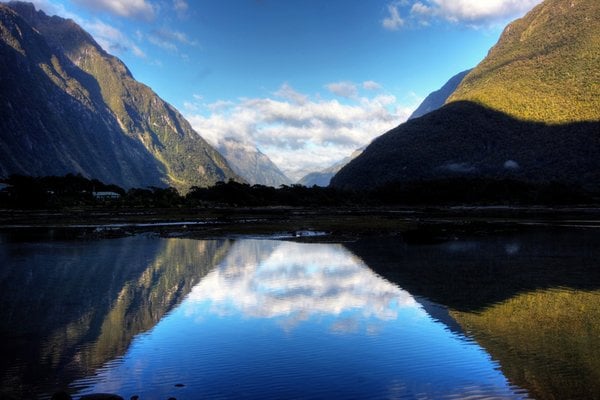
For pure scenery, keep an eye out for itineraries that include Fiordland National Park and cruise-through moments in places like Milford, Dusky, or Doubtful Sound.
Top Attractions and Activities in New Zealand
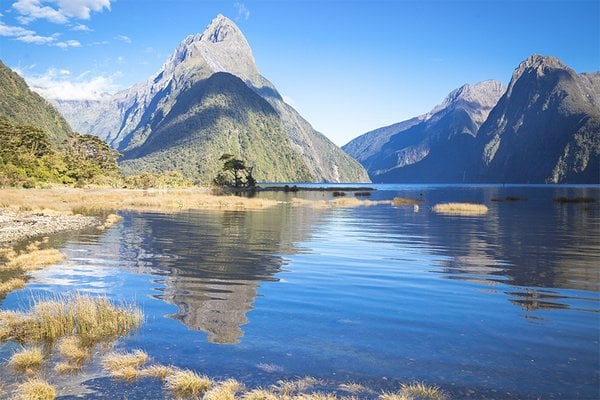
Milford Sound (Piopiotahi) – Cruise beneath Mitre Peak and spot waterfalls like Stirling Falls cascading from sheer cliffs.
Hobbiton Movie Set, Matamata – Visit the famous film location with its round Hobbit doors and the Green Dragon Inn.
Rotorua Geothermal Parks – Explore Te Puia’s Pohutu Geyser and bubbling mud pools, plus Māori cultural performances.
Wellington’s Te Papa Museum – Tour the Museum of New Zealand for immersive exhibitions on nature, Māori heritage and national history.
Auckland’s Sky Tower – Enjoy panoramic city and harbour views, or take the SkyWalk for a thrill.
Bay of Islands, Waitangi Treaty Grounds – Visit the birthplace of modern New Zealand and see the carved Māori meeting house.
New Zealand offers some of the world’s most spectacular cruise scenery, blending fjord-like sounds, geothermal wonders, film-famous landscapes and vibrant harbour cities.
Seasonal Expectations & Weather
Summer (December to February) – Peak cruising season, with 20–28°C in Auckland and Bay of Islands, and 18–25°C in Wellington. Christmas, New Year and Waitangi Day (6 February) bring the busiest travel period.
Autumn (March to May) – 15–24°C with calmer weather, fewer crowds and excellent vineyard excursions. Seas are often smoother than winter.
Winter (June to August) – 8–16°C, with rain and stronger winds around Wellington and the Cook Strait. Snow is possible in the South Island, especially near Dunedin and Fiordland.
Spring (September to November) – 12–20°C with blooming landscapes and changeable weather.
Sea Notes – The Cook Strait can be notoriously choppy year-round, even on otherwise sunny days.
Customs & Culture in New Zealand
Māori Heritage in Aotearoa – Cruise guests visiting Rotorua or Auckland may experience pōwhiri welcomes, haka performances and carving traditions.
Coffee and Brunch Culture – Flat whites, cabinet food and relaxed brunches are a Kiwi staple in ports like Wellington.
Outdoor Lifestyle – New Zealanders live for nature; walking trails and waterfront promenades are part of everyday local life.
Respect for Sacred Sites – Some landscapes are culturally significant; visitors should follow signage and local guidance carefully.
Alternative Regions to Explore
If you find New Zealand an intriguing option but wish to explore other regions, consider these enticing alternatives:
-
- Australia – With its stunning coastlines, diverse wildlife, and vibrant cities, Australia promises a marvelous experience for cruisers. Explore iconic landmarks like the Sydney Opera House, delve into the magnificent Great Barrier Reef, or unwind on golden beaches.
- South Pacific – With its stunning islands and azure waters, the South Pacific invites you to relax in idyllic settings. Experience rich cultures, vibrant marine life, and luxurious resorts, offering a true island paradise.
- Melanesia – Explore the captivating cultures, stunning landscapes, and unique wildlife of Melanesia. With outstanding diving spots and warm locals, it’s an excellent choice for adventurers seeking unforgettable experiences.
- Fiji – Consistently recognised as a tropical paradise, Fiji boasts spectacular beaches, magnificent coral reefs, and warm hospitality. Experience rich cultural events and enjoy unforgettable outdoor activities amidst stunning scenery.
- Hawaii – An iconic destination for sun-seekers and surfers alike, Hawaii is filled with beautiful landscapes, volcanic mountains, and captivating experiences. The diverse culture and outdoor adventures ensure each visitor leaves with amazing memories.
Top New Zealand Cruise Options
New Zealand cities and iconic ports
- Wellington, New Zealand – Harbour views, Te Papa, and a brilliant food scene in a walkable city.
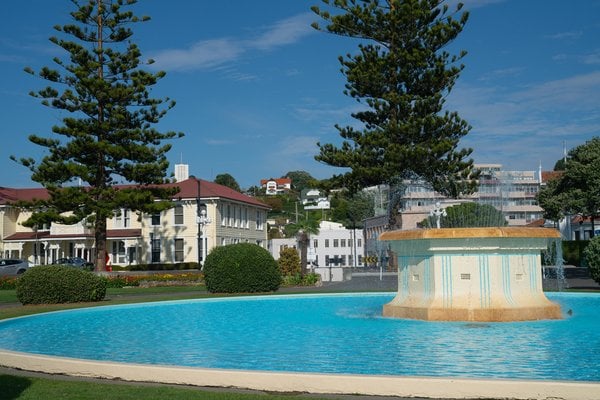
- Napier, New Zealand – Art Deco streets, coastal walks, and nearby Hawke’s Bay wine country.
- Tauranga, New Zealand – Mount Maunganui’s summit walk and an easy-going beach day.
- Dunedin, New Zealand – Heritage architecture, wildlife, and the dramatic Otago Peninsula.
- Christchurch (Akaroa), New Zealand – Gardens, galleries, and the Banks Peninsula’s coastal beauty.
- Auckland, New Zealand – Big-city energy with island day trips and volcano lookouts.
Fiords, sounds, and show-stopping nature
- Milford Sound, New Zealand – Waterfalls, cliff faces, and one of the world’s most scenic sail-throughs.
- Doubtful Sound, New Zealand – Quieter, moodier, and perfect for photographers.
- Dusky Sound, New Zealand – Remote and atmospheric, best enjoyed from the open decks.
- Fiordland National Park, New Zealand – A must for nature lovers, with scenery that feels unreal.
North and South Island focus
- North Island, New Zealand – Geothermal landscapes, beaches, and culture-rich cities.
- South Island, New Zealand – Mountains, fjords, and dramatic coastal scenery.
- Bay of Islands, New Zealand – Island hopping, marine life, and historical sites.
- Waitangi, New Zealand – A meaningful stop for learning about New Zealand’s history.
Popular routes and Australia combinations
- Australia and New Zealand – Two iconic countries in one itinerary, ideal for longer holidays.
- Australia and New Zealand 2026 Cruises – Great for planning ahead and locking in your preferred cabin.
- Australia and New Zealand 2027 Cruises – Perfect if you want peak-season choice and early-bird pricing.
FAQs about New Zealand Cruises
When is the best time to book a New Zealand cruise?
For the widest choice of cabins and itineraries, book early for peak summer sailings. If you’re flexible, shoulder-season departures can offer a quieter feel and excellent value.
Can I do a UK to New Zealand cruise without flying?
It’s possible on very long world-style itineraries, but most travellers will fly and join the cruise in Australia or New Zealand for a more manageable holiday length.
What’s the difference between North Island and South Island ports?
North Island calls lean into geothermal landscapes, beaches, and big-city culture, while South Island itineraries shine for mountains, fjords, and wildlife-rich coastlines.
Are fiords like Milford Sound a tender port?
Most itineraries treat Milford Sound and other Fiordland highlights as scenic cruising rather than docking, so you’ll typically enjoy them from the ship.
Do I need to book shore excursions in advance?
For popular experiences like geothermal parks, wildlife trips, or vineyard tours, booking early is wise. In cities such as Wellington or Auckland, it’s easy to explore independently too.
What should I pack for a New Zealand cruise?
Layers are key. Bring a light waterproof jacket for changeable coastal weather, comfortable walking shoes, and something warmer for fjord days on deck.
Are New Zealand cruises suitable for families?
Yes. Larger ships offer clubs, pools, and family-focused entertainment, while port days can be packed with nature, beaches, and easy sightseeing.
How long is a typical New Zealand cruise?
Many itineraries run 10 to 14 nights, especially when starting from Australia. Longer voyages often include more South Pacific or Australian ports.
What wildlife might I see?
Depending on your route, you could spot dolphins, seals, seabirds, and unique coastal wildlife, particularly around nature-focused regions and peninsula excursions.
Can I combine New Zealand with Australia on one itinerary?
Absolutely. Many of the most popular routes pair New Zealand with Australia’s east coast, making it a brilliant way to maximise a long-haul journey.
Ready to plan your New Zealand cruise? Tell Cruise1st what style of trip you fancy (more fjords, more cities, or a full Australia combo) and we’ll help you find the best sailing, cabin, and value-added deal for your dates.
Expert Tips for Cruising New Zealand
For New Zealand cruises, it’s recommended to choose itineraries with longer port stays, as travel times between key sights can be significant. Guests benefit from booking scenic rail or fjord excursions early, as limited capacity often sells out first.
Reviews for New Zealand
Overall Reviews | |
|---|---|
| Detailed Reviews |
|---|
 +44
+44