


Thailand Cruises
Thailand cruises combine exotic beaches, vibrant cities and rich cultural heritage across Southeast Asia.
Our Best Thailand Cruises Deals
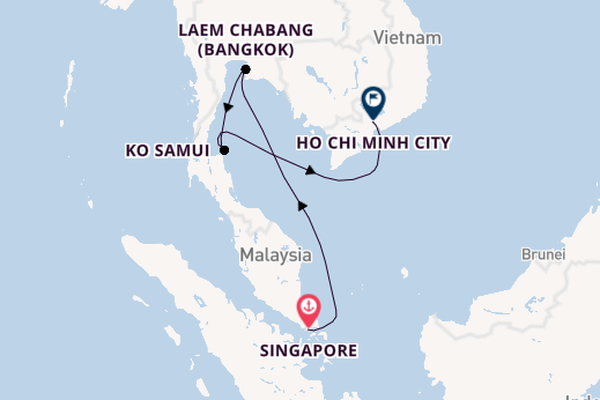
Southeast Asia from Singapore, Singapore with the Azamara Quest
- Perfectly sized ships: big enough for great dining and entertainment, but small enough to feel personal and reach ports big ships can’t
- The AzAmazing Evenings totally live up to the name: experience top-notch entertainment in the most incredible settings
- It’s like slow travel, but on a cruise: late departures and overnight stays will give you plenty of time to explore

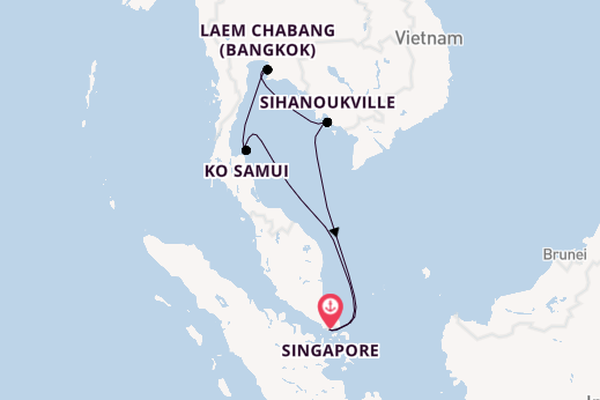
Southeast Asia from Singapore, Singapore with the EXPLORA III
- All Inclusive Luxury Experience: Premium Wines & Spirits and 9 restaurants
- Complimentary High Speed Wifi Throughout The Ship
- Designed to feel like your own private yacht

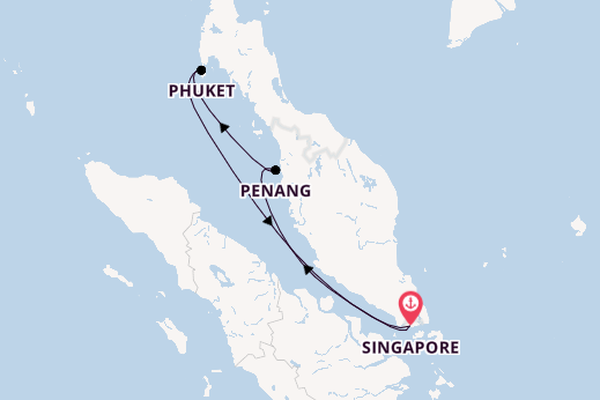
Malaysia & Phuket Discovery With Bali & Singapore
- Includes 5 night Bali & 2 night Singapore Hotel Stays
- Visit 4 countries in 1 trip
- Book now for £199pp deposit

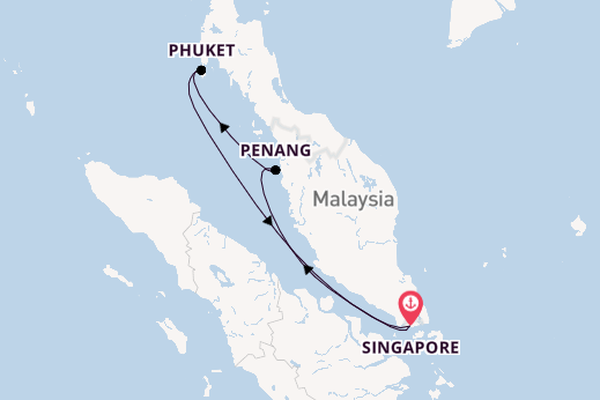
Southeast Asia from Singapore, Singapore with the Quantum of the Seas
- RipCord by iFLY skydiving simulator, North Star observation pod and Laser Tag make Quantum one of the most innovative ships afloat
- Two70° combines floor-to-ceiling glass with roboshow technology and a wraparound screen — a spectacle found nowhere else at sea
- Bionic Bar robotic bartenders, Wonderland imaginative cuisine and SeaPlex bumper cars complete a genuinely ground-breaking line-up
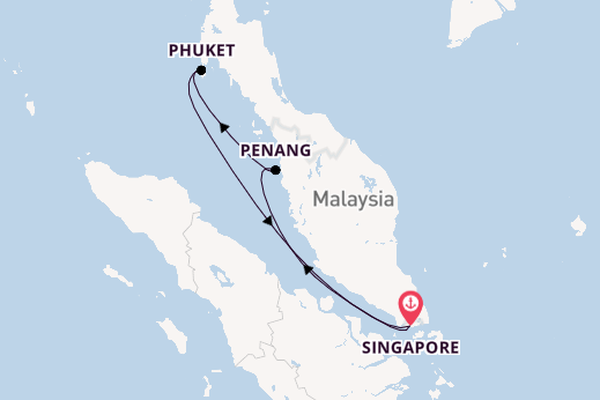
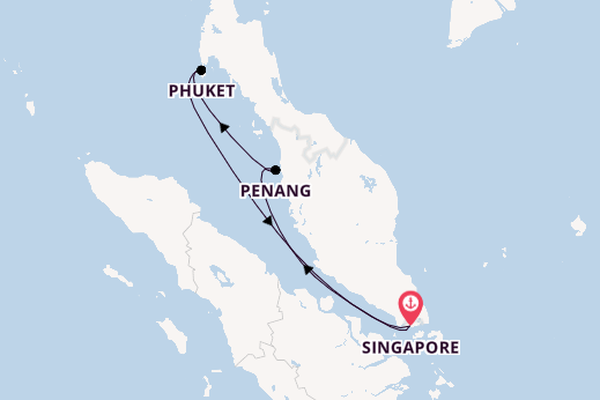
Spice of Asia: Bali & Singapore Escapade
- Includes a 4 Nt stay in Bali
- Book now for just £199pp
- Includes a FREE 2 Nt Stay in Singapore with the option to extend
Southeast Asia from Singapore, Singapore with the Navigator of the Seas
- The Blaster aqua coaster — the longest waterslide at sea — anchors a top deck of amplified thrills and a 10-storey panoramic pool deck
- The Lime & Coconut: a three-level pool bar with hand-crafted cocktails — the social heart of the revamped top deck
- Jamie Oliver's Jamie's Italian and Hooked Seafood sit alongside the original at-sea ice-skating rink and FlowRider surf simulator
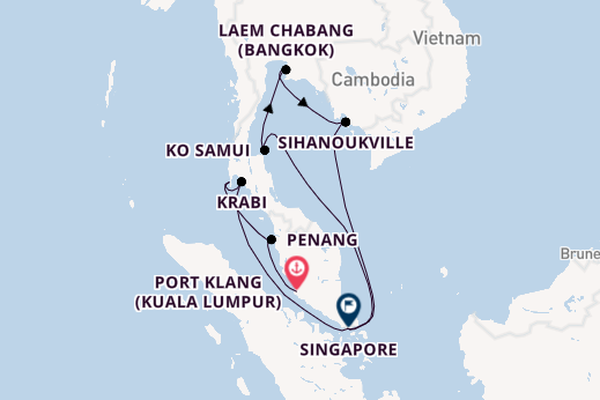
Once in a lifetime Angkor Wat Tour with Spice of Asia Cruising & Singapore Escapade
- Includes a 6 night Tour
- Includes 3 nights hotel stay in Singapore
- Overnight onboard in Phuket
India's Golden Triangle Tour with Spice of Asia Cruising & Singapore Escapade
- Includes a 6 night tour
- Includes 3 nights Singapore Hotel Stay
- Overnight onboard in Phuket
India's Golden Triangle & Taj & Tigers Tour with Spice of Asia Cruising & Singapore Escapade
- Includes a 8 Night tour of Sri Lanka
- Includes 3 night Singapore Hotel stay
- Overnight onboard in Phuket
Wonders Of Sri Lanka Tour with Spice of Asia Cruising & Singapore Escapade
- Includes a 6 Night tour of Sri Lanka
- Includes 3 night Singapore Hotel stay
- Overnight onboard in Phuket
Southeast Asia from Port Klang (Kuala Lumpur), Malaysia with the EXPLORA III
- All Inclusive Luxury Experience: Premium Wines & Spirits and 9 restaurants
- Complimentary High Speed Wifi Throughout The Ship
- Designed to feel like your own private yacht
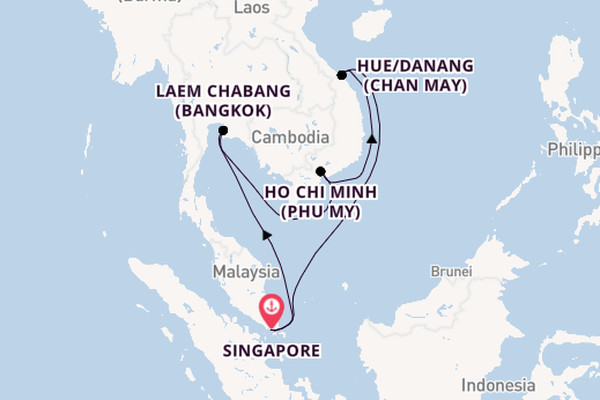
New Year Celebrations Southeast Asia Discovery: Bangkok & Vietnam
- Cruise1st Exclusive Celebrate New Year in Style with a 3 night Singapore Hotel Stay
- Includes Overnight Onboard in Bangkok Thailand
- Book For Just £199pp Deposit
Southeast Asia Discovery: Bangkok & Vietnam
- Cruise1st Exclusive
- Includes 2 night Singapore Hotel Stay And Overnight Onboard in Bangkok, Thailand
- Book For Just £199pp Deposit
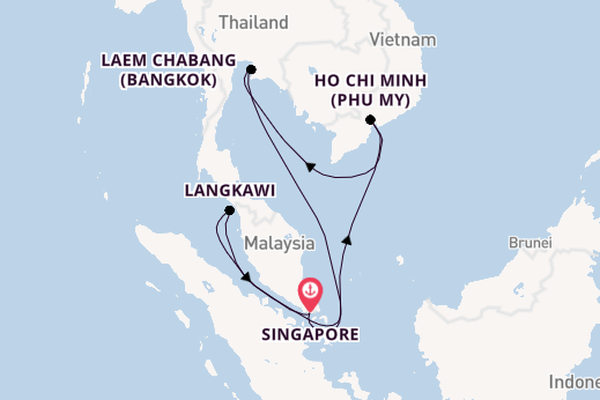
Golden Sails & New Year Trails: From Singapore to the Orient
- Includes a 3 Nt stay in Singapore
- Overnight onboard in Bangkok, Thailand
- Book now for just £199pp
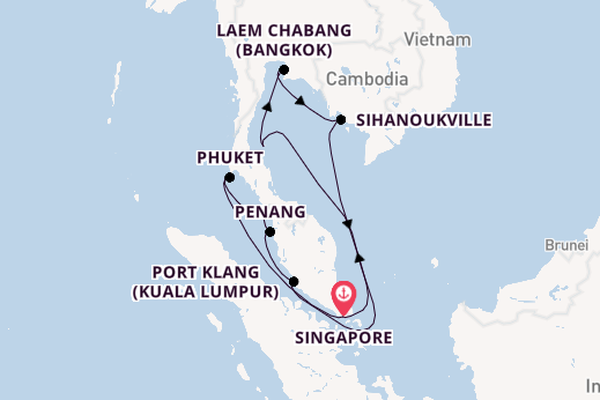
Luxury Thailand & Malaysia with Singapore Stay
- Includes 2 night Singapore hotel stay
- Deposit from £299pp
- Add Drinks, WIFI, Gratuities & More for £50pppd
Harbours for Thailand
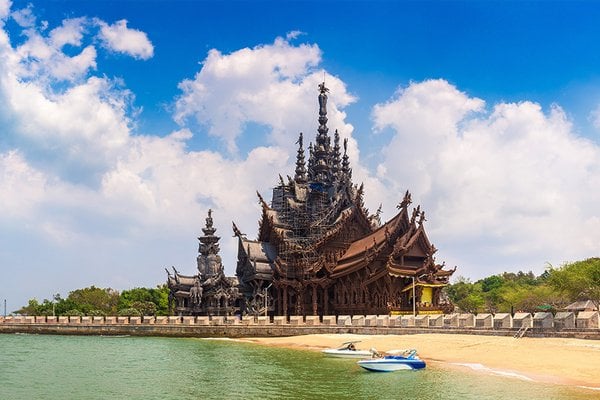
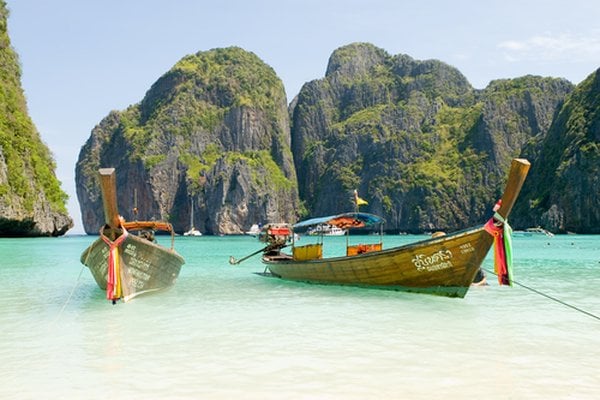
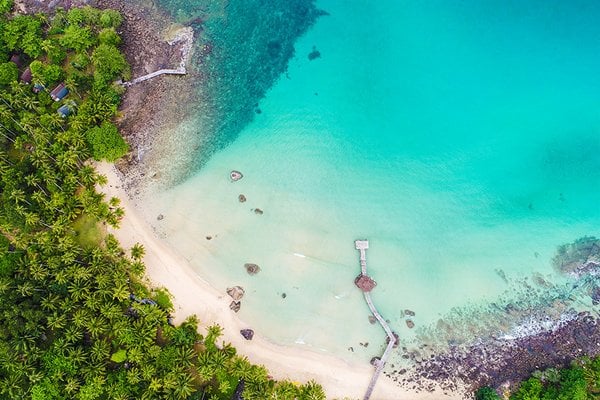
Travel Tips for Thailand Cruises
Explore The Wonders Of Thailand
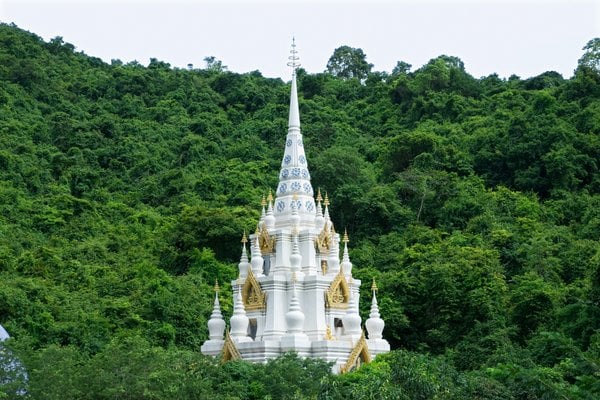
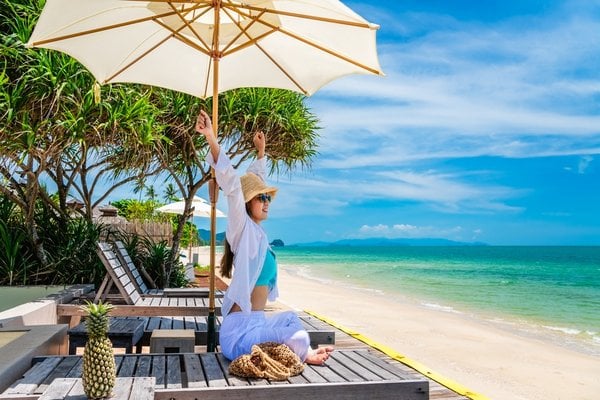
Thailand Cruises serve up the best kind of variety: one day you’re stepping off the ship for golden beaches and longtail boats, the next you’re wandering past gilded temples and night markets that smell of grilled satay and sweet mango sticky rice. Whether you’re dreaming of Thailand cruises packed with ports, or you’d rather cruise Thailand at a slower pace with plenty of sea days to recharge, this is a destination that feels exciting without being overwhelming. Expect a mix of culture, nature and food that’s genuinely memorable, with ports that make it easy to plan a brilliant day ashore without travelling far.
Top Harbours in Thailand
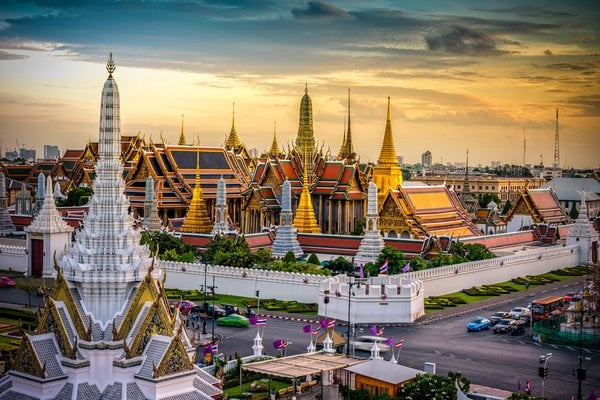
- Bangkok – Thailand’s bustling capital, Bangkok, is a city that beautifully blends tradition and modernity. When your cruise docks here, don’t miss the chance to visit the stunning Grand Palace and the famous Wat Pho, home to the reclining Buddha. Explore the vibrant street markets for authentic Thai street food, or take a boat ride through the city’s canals for a unique perspective of this vibrant metropolis.
- Phuket – Known for its stunning beaches and vibrant nightlife, Phuket is a must-visit destination. Relax on the sandy shores of Patong Beach or take a leisurely boat tour to the nearby Phi Phi Islands. Try your hand at local cooking classes or indulge in a traditional Thai massage at a local spa while soaking up the island’s vibrant atmosphere.
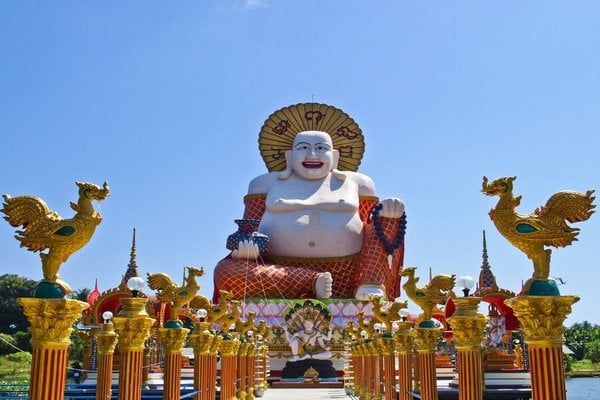
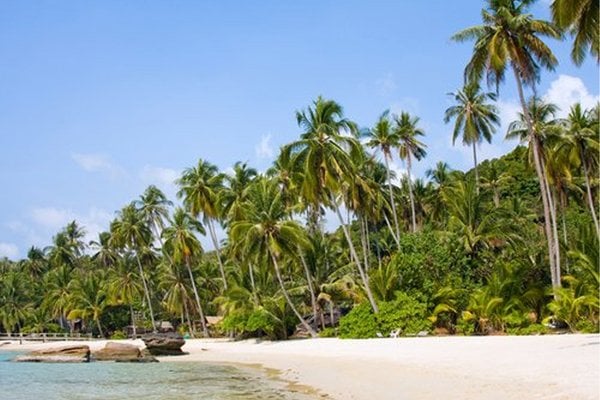
- Ko Samui – This tropical paradise is home to stunning beaches, coconut palms, and serene waterfalls. Visit the renowned Big Buddha temple or enjoy a day of sun and sand at Chaweng Beach. Adventurous cruisers can explore the Ang Thong National Marine Park, famous for its beautiful kayaking experiences amidst breathtaking scenery.
Attractions and Activities in Thailand
Thailand is made for cruisers who like their port days full (but still relaxed). These are the kinds of experiences that tend to steal the show on cruises to Thailand:
- Bangkok temple-hopping – Visit the Grand Palace and Wat Phra Kaew, then head to Wat Pho for the Reclining Buddha. If time allows, catch sunset by Wat Arun across the river.
- Street-food evenings – In Bangkok, Yaowarat (Chinatown) is a must for crispy pork belly, peppery noodles and iced Thai tea. For a sit-down treat, book ahead at Jay Fai for her famous crab omelette.
- Beach time in Phuket – Split your day between Old Phuket Town’s colourful Sino-Portuguese streets, a viewpoint stop at Karon Viewpoint, and a swim at Kata Noi Beach.
- Island adventures from Ko Samui – Visit Wat Phra Yai (Big Buddha), browse Fisherman’s Village in Bophut for boutiques and cafés, then cool off at Na Muang Waterfalls.
- Thai cooking and market browsing – Look for shore experiences that include a local market visit and hands-on cooking (green curry, pad thai or tom yum) so you can take the flavours home.
- Snorkelling and sea-life spotting – Depending on your itinerary, boat trips from Phuket or nearby islands can bring clear-water snorkel stops and excellent photo opportunities.
Insider tip: If your itinerary uses Laem Chabang, it’s a great gateway for a day trip that combines Bangkok’s highlights with a calmer finish back at the port (think rooftop drink near the river before you return to the ship).
Seasonal Expectations & Weather
Dry Season (November to February) – Thailand’s best cruising window, with 27–32°C days and lower humidity. Phuket and Koh Samui feel warm but comfortable, with calmer seas for tender ports. Christmas, New Year and Chinese New Year (Jan/Feb) create peak demand and busy beaches.
Hot Season (March to May) – Temperatures climb to 33–37°C, especially in Bangkok and inland areas. Songkran (Thai New Year, mid-April) brings nationwide water festivals, crowded streets, and a lively, party-like atmosphere in coastal towns.
Monsoon Season (June to October) – Hot and humid (28–33°C) with heavy tropical downpours. Seas can become rougher in the Andaman Sea, and visibility for snorkelling dips during stormy weeks. September is often the wettest month.
Sea & Excursion Notes – Even in the dry season, midday heat can feel intense on temple excursions. Lightweight clothing and shade breaks matter more than the temperature number suggests.
Customs & Culture in Thailand
Temple Respect in Thailand – In Bangkok or Phuket, shoulders and knees should be covered for Wat Pho and other sacred sites.
Royal and Religious Sensitivity – Thai culture treats monarchy and Buddhism with deep respect; careless jokes are not tolerated.
Street Food Rituals – Cruise guests should try pad thai, mango sticky rice and boat noodles from busy market stalls.
The Wai Greeting – A gentle palms-together wai is a polite greeting, especially when meeting elders.
Alternative Harbours
Many Thailand itineraries are part of wider Asia sailings, which means you can pair Thai ports with fascinating city stops before and after. Depending on your route, you may also see:
- Singapore – Perfect for a pre-cruise stay: Gardens by the Bay, hawker centres like Lau Pa Sat, and the Marina Bay waterfront.
- Hong Kong – Ride the Star Ferry, take the Peak Tram, and make time for dim sum in Central.
- Shanghai – Great for big-city buzz: The Bund at night, Yu Garden, and a stroll through Tianzifang’s lanes.
- Sanya – Beachy and relaxed, with palm-lined promenades and a warm-weather feel.
- Hitachinaka – A memorable Japan call that pairs well with longer Asia itineraries, especially for travellers who enjoy scenic coastal stops.
Alternative Regions
If Thailand is calling, these regions are also worth considering for a similar mix of culture, coastline and port variety:
- Southeast Asia – Ideal for travellers who want Thailand-style flavours and beaches, plus a wider spread of ports.
- East Asia – Brilliant for city highlights, food scenes and iconic skylines.
- China – A strong option if you’re keen on major ports and cultural landmarks woven into your itinerary.
- Middle East – Great for winter sun, modern cities and desert excursions, often paired with longer repositioning sailings.
Top Thailand Cruise Options & Asia Alternatives
Thailand sailings by year
- Thailand Cruises 2026 – Great for locking in preferred dates and comparing itineraries early.
- Thailand Cruises 2027 – Ideal if you want the widest range of future options and cabin choices.
Thailand ports and must-visit stops
- Bangkok (Klong Toey), Thailand – A brilliant base for the Grand Palace, Wat Pho and unforgettable street-food nights.
- Laem Chabang, Thailand – A handy gateway port for Bangkok highlights and easy day-trip planning.
- Phuket, Thailand – Beaches, viewpoints and Old Phuket Town’s colourful streets in one easy port day.
- Ko Samui, Thailand – Waterfalls, temples and a laid-back island atmosphere made for cruisers.
Asia itineraries that pair perfectly with Thailand
- Asia – A broad look at cruise routes across the continent, including Thailand-friendly itineraries.
- Southeast Asia – Great if you want Thailand alongside other warm-weather favourites.
- Asia Cruise Tour Packages – Perfect if you want a land stay added before or after your sailing.
- Asia Cruises 2026 – Useful for comparing Thailand-inclusive routes across the year.
- Asia Cruises 2027 – A handy option for browsing longer-term Asia itineraries.
All inclusive and fly-cruise options
- Asia Cruises All Inclusive – Ideal for a simple budget with fewer extras to think about.
- Asia Cruises 2027 All Inclusive – Great for planning ahead with value-focused packages.
- Asia Fly Cruises – A popular choice if you want to maximise time in Asia with fewer sea days getting there.
- Asia Fly 2027 Cruises – Useful for comparing next-year fly-cruise options.
UK departures and cruise line favourites
- Asia Cruises from Southampton – Ideal if you’d prefer to sail from a UK port.
- Asia Cruises from the UK – Great for exploring different UK departure options.
- Princess Asia Cruises – A strong option for classic cruising comforts and a polished onboard feel.
Region guides and add-on destinations
- East Asia – Perfect for travellers who want Thailand plus major city ports.
- China – Great for itineraries that include big-name ports and cultural landmarks.
- Sanya, China – A warm-weather stop that pairs nicely with Southeast Asia routing.
- Shanghai, China – Ideal for pre- or post-cruise city exploring.
- Hitachinaka, Japan – A memorable add-on port for longer itineraries across Asia.
- Middle East – Handy if you’re considering longer routes that connect regions.
- Cruises from Singapore to Australia – Perfect if you want to turn one cruise into a bigger multi-region journey.
- Singapore Cruises – Useful for planning sailings that begin or end in Singapore.
- Singapore, Singapore – Great for port guides and planning a smooth embarkation day.
- Hong Kong Cruises – Ideal for routes that use Hong Kong as a start, end or headline port.
FAQs About Thailand Cruises
Do Thailand cruises usually include more than one Thai port?
Many do, often combining Phuket, Ko Samui and a Bangkok-area call (via Bangkok/Klong Toey or Laem Chabang), especially on Southeast Asia itineraries.
Is Bangkok easy to visit from the cruise port?
Yes, but the experience depends on the port. Bangkok (Klong Toey) is closer to the city centre, while Laem Chabang is further out and often works best with a planned tour or private driver.
What’s the best way to explore Phuket on a port day?
A simple plan is Old Phuket Town in the morning, a viewpoint stop (like Karon Viewpoint), then beach time at Kata Noi or a relaxed lunch near the coast.
Are Thailand cruises family-friendly?
Absolutely. Beach days, easy excursions and plenty of ship-based entertainment make Thailand itineraries a strong choice for families.
What should I wear for temples?
Pack light layers that cover shoulders and knees. A scarf or thin overshirt is handy, plus comfortable shoes you can slip on and off easily.
Is Thai street food safe to eat?
Street food is a highlight for many travellers. Choose busy stalls with high turnover and freshly cooked dishes, and keep hand sanitiser with you.
Will I need local currency in Thailand?
It’s useful for markets and smaller shops. Larger places often accept cards, but having some Thai baht makes port days smoother.
Do I need to book excursions in advance?
For popular experiences (island boat trips, temple tours, cooking classes), booking ahead can help, especially on shorter port days.
Can Thailand be combined with other countries on one cruise?
Yes, it’s very common to pair Thailand with Singapore, Hong Kong, and other Southeast Asia ports, depending on the sailing.
What’s a great souvenir to bring home?
Look for Thai spice mixes, coconut sweets, silk items, or locally made skincare products from reputable shops and markets.
Is Thailand better as a fly-cruise or part of a longer itinerary?
If you want maximum time in warm-weather ports, fly-cruise is ideal. If you enjoy sea days and a bigger journey, longer Asia itineraries can be fantastic.
Ready to plan your Thailand cruise? Call Cruise1st to book, and we’ll help you compare the best itineraries, choose the right ports (Bangkok, Phuket, Ko Samui and beyond), and secure great value for your travel dates.
Expert Tips for Thailand Cruises
Thailand cruises are best planned outside peak holiday periods, when ports like Phuket are less congested. Guests should pre-arrange transfers, as distances between ports and attractions can be significant.
Reviews for Thailand Cruises
Overall Reviews | |
|---|---|
| Detailed Reviews |
|---|
 +44
+44